
Super 110s–150s Wool Fabric for Suit: Summer Ready
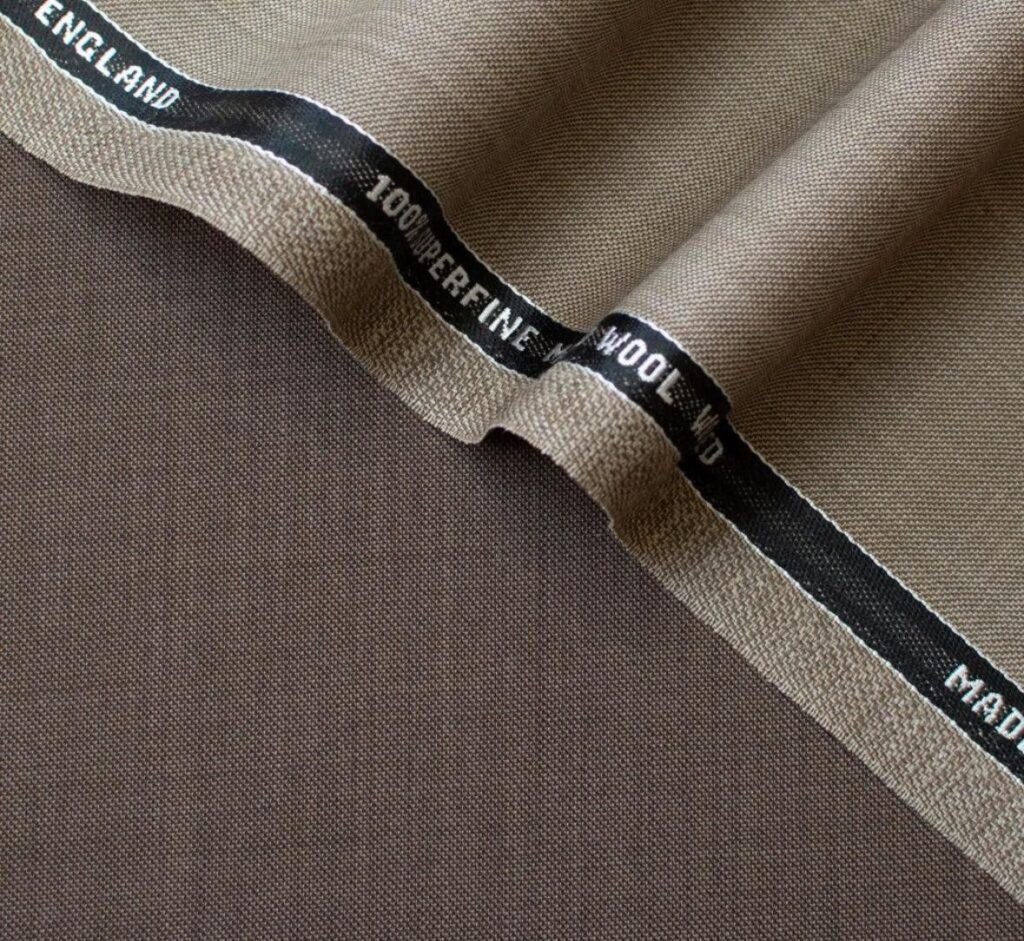
Super 110s–150s Wool For Summer Suiting Explained Summer tailoring presents a paradox. The season calls for lightness and breathability, yet true elegance demands structure, composure and precision. Many assume that warm weather necessitates abandoning wool altogether, turning instead to linens or cotton blends. However, the discerning dresser understands that the solution lies not in avoiding wool but in selecting the right wool fabric for suit – particularly within the Super 110s to Super 150s range. These fine wool grades represent the intersection of performance and refinement. They allow the wearer to remain cool without sacrificing the crisp silhouette that defines tailored clothing. In climates where humidity and heat challenge traditional suiting, lightweight wool proves itself not only viable but superior. Understanding The Super Number: A Measure Of Refinement The “Super” designation refers to the fineness of the wool fibre used to produce the fabric. Measured in microns, finer fibres create smoother yarns, resulting in lighter, softer and more breathable cloth. As the number increases, so does the fabric’s elegance and delicacy. Super 110s–120s offer resilience with a refined finish. Super 130s–140s introduce a softer hand and fluid drape. Super 150s deliver exceptional lightness and a luxurious texture. Choosing the appropriate wool fabric for suit begins with understanding how these grades affect comfort, durability and appearance. While higher counts provide greater softness, they also require more careful handling, making the selection process a balance between practicality and luxury. Why Wool Remains Ideal For Summer At first glance, wool may seem counterintuitive for warm weather. Yet its natural properties make it one of the most climate-responsive fibres available. Each strand of wool can absorb moisture vapour while allowing heat to escape creating a microclimate that keeps the body cool and dry. A well-selected wool fabric for suit offers several advantages: Temperature regulation: Wool adapts to body heat, maintaining comfort. Breathability: Air circulates freely through fine fibres and open weaves. Moisture management: The fabric absorbs perspiration without feeling damp. Wrinkle resistance: Wool maintains a composed appearance throughout the day. Structural integrity: Even lightweight wool holds a sharp silhouette. These qualities explain why fine wool is often more comfortable than synthetic blends, which can trap heat and restrict airflow. Selecting the Right Super Count for Summer Wear Super 110s–120s: Everyday Practicality This range represents the foundation of reliable summer suiting. It balances durability with comfort, making it ideal for professionals who require garments that endure frequent wear. A wool fabric for suit in this category resists abrasion and maintains its shape even during long workdays or travel. Its breathability ensures comfort while its resilience makes it suitable for regular use. Ideal for: Office wear, business travel and daily tailoring. Super 130s–140s: Refined Versatility Stepping into finer territory, these fabrics offer a noticeable improvement in softness and drape. They create a fluid silhouette that moves gracefully with the wearer while remaining breathable. A carefully chosen wool fabric for suit in this range strikes a balance between elegance and practicality, making it suitable for environments where presentation matters. Ideal for: Client meetings, formal workplaces and refined daytime events. Super 150s: Lightweight Luxury At the upper end of summer suiting, Super 150s wool provides a near-weightless feel and a silky finish. Its exceptional fineness allows for superior airflow making it comfortable even in elevated temperatures. However, this level of refinement requires mindful use. A wool fabric for suit in Super 150s is best reserved for occasions where elegance is paramount as its delicacy makes it less suited for heavy daily wear. Ideal for: Weddings, evening functions and statement tailoring. The Importance Of Weave In Summer Comfort While fibre fineness plays a crucial role, the weave of the fabric is equally important in determining how a wool fabric for suit performs in warm weather. Open constructions enhance ventilation; allowing heat to dissipate naturally. Tropical Wool Tropical wool features a porous weave that maximises airflow. It is one of the most practical choices for hot and humid climates offering breathability without compromising form. Plain Weave Lightweight and durable, plain weave fabrics maintain structure while remaining comfortable. They are particularly suitable for everyday summer suits. High-Twist Yarns High-twist wool yarns improve crease resistance and enhance breathability. The tighter twist allows the fabric to spring back into shape, preserving a polished appearance throughout the day. Colour And Construction For Warm-Weather Elegance Beyond fabric selection, colour and construction influence how comfortable a suit feels in summer. Lighter shades reflect heat while thoughtful tailoring enhances airflow. Recommended colours: Soft grey for versatile professionalism Beige and taupe for warm-weather refinement Muted blue for understated elegance Construction considerations: Half-lined or unlined jackets to improve breathability Minimal padding for a natural silhouette Lightweight canvassing to maintain structure without bulk These choices ensure that a wool fabric for suit performs optimally in both comfort and appearance. Wool vs. Linen: A Matter Of Structure Linen is often celebrated as the quintessential summer fabric, yet it comes with compromises. Its tendency to wrinkle and lose shape can create a casual appearance unsuitable for formal settings. Fine wool by contrast, maintains structure and resists creasing, making it a more versatile option. A wool fabric for suit allows the wearer to navigate professional and social environments with confidence, offering both comfort and composure. It represents a commitment to enduring style rather than seasonal improvisation.
