
Wools vs. Linen vs. Cotton: Best Summer Suit Fabrics For India
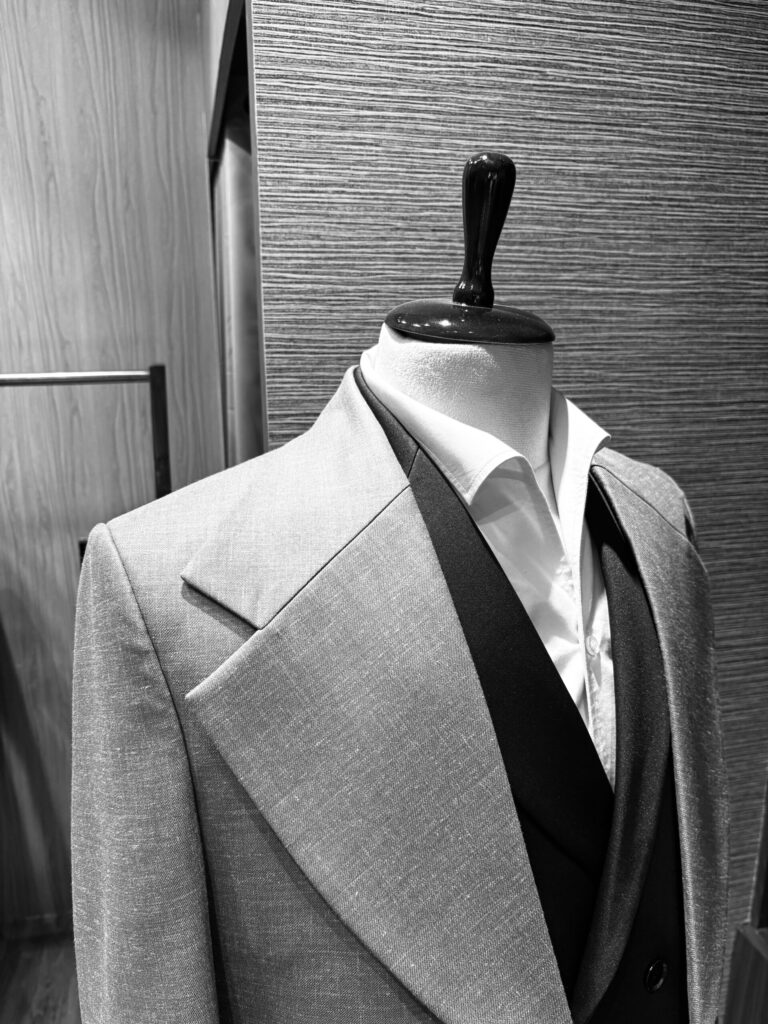
The Challenge of Wearing Suits in Summer India’s climate demands thoughtful choices in menswear, especially when it comes to formal clothing. While suits symbolize structure, authority, and sophistication, wearing them during intense heat and humidity can quickly become uncomfortable if the wrong fabric is chosen. Selecting the right material is therefore essential for maintaining both elegance and comfort. For those investing in suits in summer, the fabric determines everything from breathability and drape to wrinkle resistance and durability. Among the most discussed options are wool, linen, and cotton. Each fabric offers distinct advantages and limitations, and understanding these differences can help create a summer wardrobe that remains sharp despite rising temperatures. Understanding Summer Suit Fabrics The effectiveness of suits in summer depends largely on three key fabric characteristics: Breathability – the ability to allow air circulation Moisture management – the capacity to absorb and release perspiration Structural integrity – the ability to maintain a clean silhouette Not all fabrics perform equally in these areas, which is why tailoring houses often recommend specific materials based on climate, occasion, and personal style. Wool: The Unexpected Summer Performer Contrary to popular belief, wool is not exclusively a winter fabric. Lightweight wool varieties particularly tropical wool and high-twist wool are specifically engineered for warm climates. These fabrics offer remarkable breathability while retaining the structured drape expected from formal suits. Advantages of Wool for Suits in Summer Natural Temperature Regulation Wool fibers naturally regulate body temperature by allowing air circulation while absorbing moisture. Superior Structure Unlike softer fabrics, wool maintains a crisp silhouette, making it ideal for structured tailoring. Wrinkle Resistance Wool fibers bounce back easily, meaning suits remain polished throughout long days. Professional Appearance For business settings, wool provides the most refined and formal aesthetic. Lightweight wool suits are therefore widely considered one of the most practical options for suits in summer, particularly for professionals who require structure and durability. Linen: Maximum Breathability, Relaxed Character Linen has long been associated with warm climates due to its exceptional airflow and lightweight texture. Made from flax fibers, linen is one of the most breathable fabrics available for tailoring. Benefits of Linen Suits Excellent airflow for extremely hot conditions Lightweight and comfortable Natural, textured aesthetic However, linen comes with a defining characteristic: it wrinkles easily. While some see this as part of its charm, it can make linen less suitable for highly formal environments. Best Use Cases Linen suits work particularly well for: Summer weddings Resort destinations Outdoor events Casual formal occasions For individuals prioritizing comfort over strict formality, linen remains a compelling option for suits in summer. Cotton: Balanced Comfort And Versatility Cotton sits comfortably between wool and linen in terms of performance. It offers good breathability while maintaining moderate structure making it a versatile fabric for warm-weather tailoring. Advantages of Cotton Suits Breathable and Lightweight Cotton allows airflow while remaining comfortable for extended wear. Familiar Texture Many individuals prefer cotton because of its soft and familiar feel. Versatile Styling Cotton suits can easily transition between formal and semi-formal settings. Limitations Despite its versatility, cotton wrinkles more easily than wool and may lose its crispness over time. It also tends to absorb moisture without evaporating it as quickly as wool. Nevertheless, cotton remains a reliable choice for those exploring comfortable suits in summer without sacrificing versatility. Fabric Comparison: Wool vs Linen vs Cotton Fabric Breathability Structure Wrinkle Resistance Best For Wool Excellent High High Business and formal wear Linen Excellent Low Poor Casual and destination events Cotton Good Moderate Moderate Everyday summer suits This comparison highlights why tailoring professionals often recommend lightweight wool for formal occasions while suggesting linen or cotton for more relaxed environments. Climate Considerations In India India’s summer climate combines high temperatures with significant humidity. This makes breathability essential, but structure should not be ignored. The ideal fabric for suits in summer must balance airflow with the ability to maintain shape. For metropolitan environments such as Mumbai, Delhi or Bangalore, lightweight wool often performs best because it handles humidity more effectively while preserving a polished silhouette. The Importance of Tailoring Fabric alone does not determine comfort. Construction methods such as half-canvas or full-canvas tailoring play an equally important role. A well-constructed suit allows: Better airflow between layers Improved drape across the body Long-term durability At Shubham Shinde, summer suits are approached with this philosophy in mind, prioritizing breathable fabrics alongside precise tailoring to ensure garments remain elegant even in demanding climates. For those exploring refined suits in summer, you can view the collection here: Choosing The Right Fabric For Your Lifestyle When selecting fabrics for suits in summer, consider the context in which the suit will be worn. Corporate Professionals Lightweight wool suits provide the best balance between formality and comfort. Social Events Linen offers relaxed elegance for weddings and outdoor gatherings. Everyday Versatility Cotton suits provide an adaptable option for casual formalwear. Understanding these distinctions allows individuals to build a summer wardrobe that performs across multiple occasions. Sustainability And Longevity Quality fabrics contribute to sustainability by extending garment life. Natural fibers such as wool, linen, and cotton are biodegradable and durable when properly maintained. Investing in well-constructed suits in summer ensures that garments remain wearable across seasons rather than becoming disposable fashion. Conclusion: Choosing The Right Summer Suit Fabric Selecting the right fabric is the foundation of comfortable and elegant suits in summer. While linen and cotton offer notable advantages in breathability and versatility, lightweight wool stands out for its ability to combine airflow with structure. Ultimately, the best summer suit is one that respects both climate and craftsmanship delivering comfort without compromising refinement.
