
How To Choose The Perfect Wedding Suit
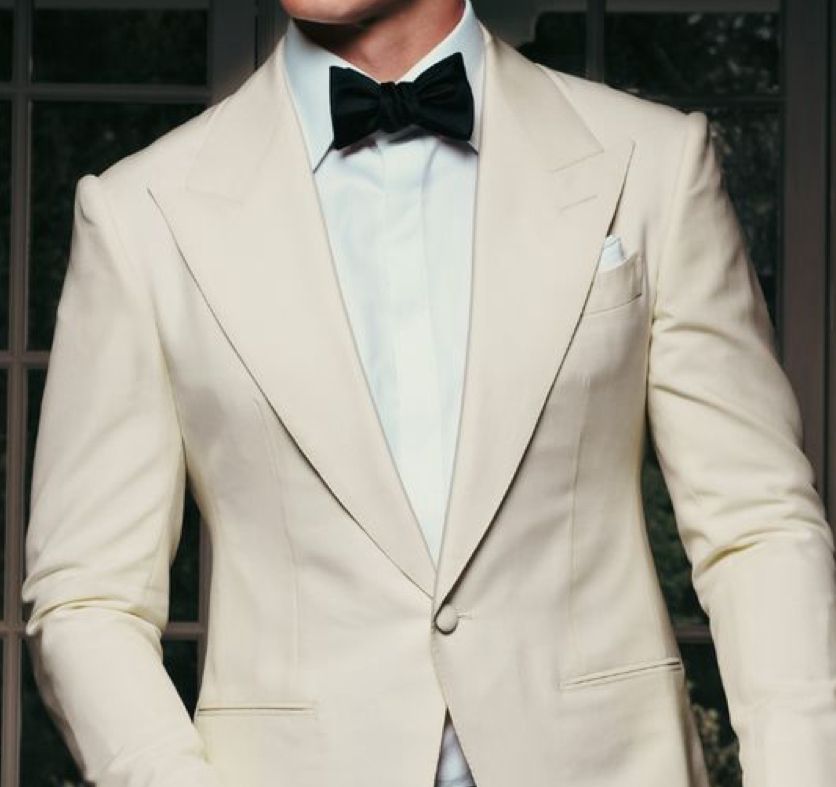
Introduction A wedding is a moment of permanence. It is photographed, remembered and revisited over time. In such a setting, attire is not simply a matter of appearance it becomes part of the memory itself. Choosing the best wedding suit men can wear requires more than selecting a well-cut garment. It involves understanding the occasion, the climate, the role of fabric and the importance of structure. The right suit does not just look appropriate; it performs, endures and reflects intent. Start with the Context: Venue, Time and Role The first step in selecting the right suit is understanding where and when it will be worn. An evening ballroom wedding naturally calls for deeper tones, sharper tailoring and more formal fabrics. In contrast, a daytime or outdoor ceremony benefits from lighter colours and breathable materials. Destination weddings introduce another variable climate which often demands lighter construction and fabrics that adapt to heat and humidity. Equally important is the wearer’s role. A groom’s attire carries more visual weight than that of a guest, requiring greater attention to detail and individuality. The best wedding suit men choose always aligns with its setting before it attempts to stand out. Fabric Selection: Performance Meets Elegance Fabric is the most critical technical decision in a wedding suit. It determines how the garment behaves over time, how it drapes, how it responds to movement and how it handles temperature. Wool remains the most reliable option for formal weddings. Its natural elasticity allows it to maintain structure while remaining breathable making it suitable for long hours of wear. For warmer climates, lightweight variations such as tropical wool offer the same structure with improved airflow. Linen, while comfortable, carries a more relaxed character and is better suited to informal or destination settings. Silk, when used in blends or detailing, introduces a level of refinement that enhances the overall garment without overpowering it. A well-chosen fabric ensures that the best wedding suit men wear remains composed from ceremony to celebration. Fit and Proportion: The Foundation of Presence Fit is often discussed but rarely understood in its entirety. It is not simply about tightness or looseness; it is about proportion. A properly tailored suit begins at the shoulders, which should sit cleanly without excess fabric. The waist should follow the natural line of the body, creating shape without restriction. Sleeve and trouser lengths must be precise, allowing the garment to frame the body rather than distort it. When these elements come together, the suit enhances posture and creates a sense of ease. The wearer appears composed not because of the garment alone but because the garment supports natural movement. Structure And Construction: What Holds The Suit Together Beyond fabric and fit lies construction the unseen element that defines how a suit performs. Structured garments, particularly those built with canvas construction, retain their shape over extended wear. They resist creasing, maintain clean lines, and adapt to the body over time. This is especially important for weddings, where the suit is worn continuously through different stages of the event. Unstructured or poorly constructed garments may appear adequate initially but tend to lose form, affecting the overall impression. The difference is subtle but significant and it directly impacts how the best wedding suit men can rely on performs throughout the day. Colour Selection: Choosing With Intent Colour should be approached with restraint. Classic tones such as navy, charcoal and black remain relevant because they offer depth and versatility. For daytime weddings, lighter shades such as ivory, beige or muted pastels can be appropriate, provided they align with the setting. Evening events benefit from darker tones, which carry a sense of formality and presence. Rather than choosing colour to attract attention, it is more effective to select one that complements the environment and the occasion. Bandhgala or Western Suit: Defining Your Expression In Indian weddings, the choice often extends beyond the conventional suit. The Bandhgala offers a distinctly cultural expression. Its structured silhouette and closed-neck design create a formal presence that is both traditional and refined. It is particularly suited to ceremonial settings. A Western suit, by contrast, offers versatility. It can be styled differently across events and remains relevant beyond the wedding itself. The decision is not about which is better but about what aligns with the wearer’s identity and the tone of the occasion. Personalisation: Subtle, Not Excessive Personalisation should enhance the garment not dominate it. Thoughtful details such as a custom lining, discreet monogramming or carefully selected buttons add individuality without disrupting the overall balance. These elements are rarely visible at first glance but they contribute to a deeper sense of ownership. The suit feels considered, rather than assembled. Comfort and Practicality: Often Overlooked, Always Felt A wedding involves hours of standing, sitting and movement. Comfort, therefore, is not optional! It is essential. Breathable fabrics, proper construction and accurate fit all contribute to a suit that remains comfortable throughout the event. When comfort is achieved, the wearer is free to focus on the moment rather than the garment. The best wedding suit men wear supports them quietly without demanding attention. The Role of Tailoring Expertise True refinement lies in execution. The difference between a good suit and the right suit often comes down to the skill of the tailor. At Shubham Shinde, wedding garments are developed with a focus on proportion, fabric behaviour, and structural balance. Each piece is approached as a complete system rather than a standalone product. This philosophy is reflected across the brand’s formal and wedding suit collections, where craftsmanship ensures that the garment maintains its integrity throughout the occasion. Common Mistakes to Avoid Many decisions that compromise a wedding suit are made early and often go unnoticed until the final result. Relying on trends rather than timeless design can quickly date the garment. Overlooking fabric quality affects both comfort and durability. Most importantly, neglecting fit undermines every other element, regardless of how premium the material may be. A measured, considered approach avoids these pitfalls and ensures that
