
3-Piece vs 2-Piece Wedding Suit: Which Looks More Elegant?
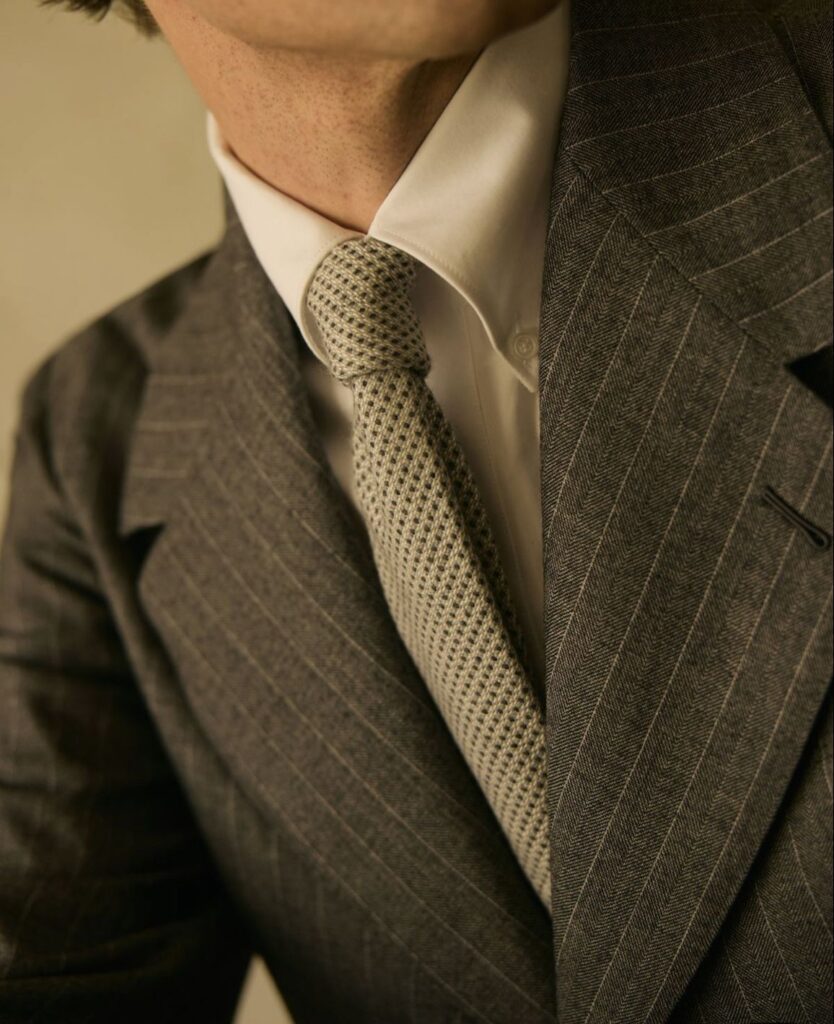
Introduction Elegance, particularly in the context of a wedding suit, is rarely about excess. It is about clarity, proportion and the ability of a garment to hold its presence without demanding attention. Weddings, by their nature, require attire that performs across time through ceremony, celebration and memory. Among the most common considerations for men is the choice between a 3-piece and a 2-piece wedding suit. While both options are rooted in classic tailoring, they offer distinctly different expressions of formality, structure and versatility. Understanding these differences is essential for making a decision that aligns not only with the occasion but also with personal identity. Understanding The Two Styles A 2-piece wedding suit consists of a jacket and trousers. It is the most widely worn format, valued for its simplicity and adaptability. The absence of an additional layer allows for ease of movement and a more relaxed visual profile. A 3-piece wedding suit, on the other hand, introduces a waistcoat. This additional element transforms the garment into a more structured and layered composition. The waistcoat is not merely decorative; it reinforces the silhouette, adds depth and maintains form even when the jacket is removed. The distinction between the two lies not in complexity but in intent. Visual Impact: Which Appears More Elegant? When assessing elegance, the immediate perception often favours the 3-piece wedding suit. The inclusion of a waistcoat creates continuity across the torso, resulting in a cleaner and more composed appearance. It frames the body, conceals the shirt front and ensures that the outfit remains complete even in moments of movement. A 2-piece wedding suit offers a different kind of elegance, one that is understated and less formal. Its simplicity allows the wearer to appear approachable, particularly in settings that do not demand rigid structure. Elegance, therefore, is contextual. The 3-piece tends toward formality and discipline, while the 2-piece leans toward ease and versatility. Structure And Silhouette Structure plays a defining role in how a wedding suit is perceived. A 3-piece configuration enhances the silhouette by adding a middle layer that holds the form together. The waistcoat acts as an anchor, maintaining alignment and preventing the shirt from disrupting the overall composition. This results in a more architectural appearance clean, balanced and deliberate. In contrast, a 2-piece wedding suit relies entirely on the jacket for structure. Once the jacket is removed, the outfit loses a degree of cohesion. While this may not be a concern in all settings, it becomes noticeable in more formal environments. For those seeking a consistently composed look, the 3-piece offers a clear advantage. Comfort And Practicality While elegance is important, comfort cannot be overlooked especially during weddings, which often extend over several hours. A 2-piece wedding suit is inherently lighter. With fewer layers, it allows for greater airflow and ease of movement. This makes it particularly suitable for warm climates or outdoor ceremonies. The 3-piece wedding suit, though slightly heavier, offers its own practical benefit. The waistcoat allows the wearer to remove the jacket without appearing incomplete. This adaptability becomes valuable during transitions between formal and relaxed segments of the event. The choice here depends on whether comfort is defined by lightness or by composure. Formality And Occasion The level of formality required plays a significant role in determining the ideal wedding suit. A 3-piece wedding suit naturally aligns with formal settings, ballroom receptions, evening ceremonies, and traditional weddings. Its layered construction communicates intention and attention to detail. A 2-piece wedding suit is better suited to semi-formal or daytime events. It accommodates a broader range of environments without appearing excessive. Understanding the tone of the event ensures that the suit complements rather than contrasts the occasion. Fabric Considerations Fabric selection influences how both styles perform. For a 3-piece wedding suit, structured fabrics such as wool or wool blends are ideal. They support the additional layer without creating bulk, allowing the silhouette to remain clean. A 2-piece wedding suit offers greater flexibility in fabric choice. Lightweight wool, linen blends and breathable materials work well, particularly in warmer settings. Regardless of the configuration, the fabric must align with the climate and duration of wear. Versatility Beyond the Wedding A wedding suit is often viewed as a one-time garment, but versatility should not be ignored. A 2-piece wedding suit offers greater post-wedding usability. The jacket and trousers can be worn separately, integrated into different outfits and adapted to various occasions. A 3-piece wedding suit, while more formal, can still be versatile if styled thoughtfully. The waistcoat can be paired with other garments, though its use is naturally more limited. For those considering long-term value, this distinction becomes relevant. Personal Style and Identity Ultimately, the choice between a 3-piece and a 2-piece wedding suit is a reflection of personal style. Those who gravitate toward structured, formal dressing often prefer the 3-piece. It aligns with a disciplined aesthetic and a preference for completeness. Those who value ease and adaptability may find the 2-piece more suitable. Its simplicity allows for greater flexibility in styling and expression. The most effective choice is one that feels natural to the wearer. The Role of Tailoring Regardless of style, tailoring defines the success of a wedding suit. A well-tailored garment ensures that proportions are balanced, movement is unrestricted and the overall silhouette remains sharp. The difference between an average suit and an exceptional one lies in the precision of its construction. At Shubham Shinde Atelier, both 2-piece and 3-piece wedding garments are developed with a focus on proportion, fabric behaviour and structural integrity. Each suit is approached as a complete system, ensuring that every element contributes to a cohesive result. This attention to detail ensures that the wedding suit maintains its elegance throughout the occasion. Common Mistakes to Avoid One of the most frequent mistakes is choosing based solely on trend rather than context. A 3-piece wedding suit may appear appealing, but if the setting does not support its formality, it can feel out of place. Similarly, selecting a 2-piece wedding suit for a
