
Linen Suit for Men: The Complete Guide To Choosing Timeless Summer Elegance
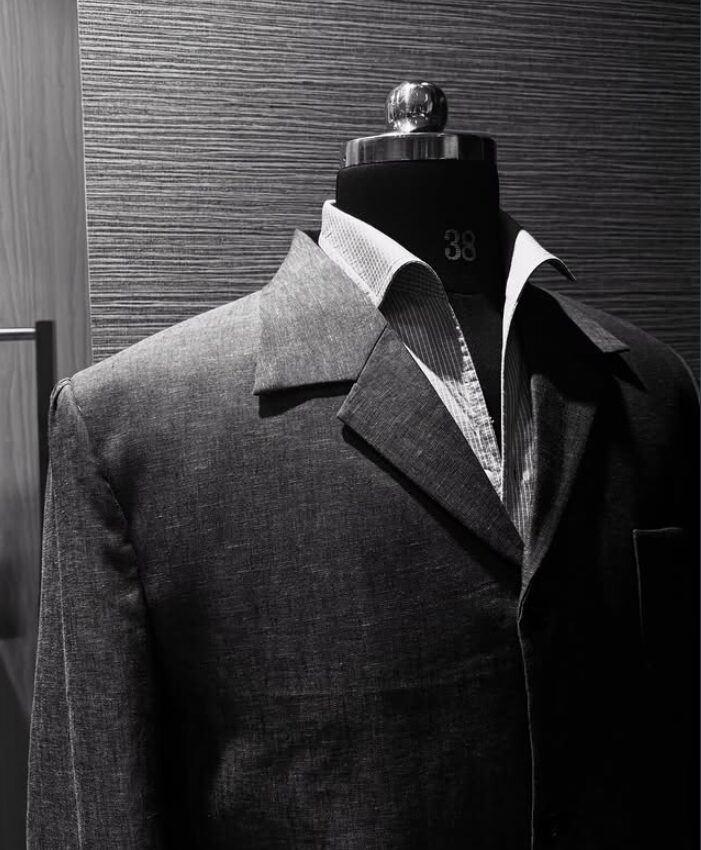
Few garments embody effortless sophistication quite like a linen suit for men. In a world where tailoring often prioritises structure above comfort, linen offers a refreshing alternative one that embraces ease without sacrificing refinement. Lightweight, breathable and naturally elegant, it has become an essential part of the modern gentleman’s wardrobe, particularly in warmer climates where comfort is just as important as appearance. Yet despite its growing popularity, linen remains one of the most misunderstood fabrics in menswear. It is often labelled as overly casual, excessively wrinkled, or suitable only for holidays. These assumptions overlook what makes linen unique. When thoughtfully tailored and styled with intention, a linen suit for men can be just as sophisticated as traditional wool tailoring while offering unparalleled comfort. Whether you’re attending a summer wedding, preparing for an outdoor celebration, travelling for business or simply looking to expand your wardrobe with a versatile seasonal suit, understanding linen is the first step towards making an informed investment. This guide explores everything you need to know from the characteristics of linen and how it compares with other fabrics to selecting the right fit, colour, and construction. Rather than following trends, the goal is to understand why a well-crafted linen suit continues to remain relevant decade after decade. Understanding Linen: More Than Just A Summer Fabric Linen is one of the oldest natural textiles in the world, woven from the fibres of the flax plant. For centuries, it has been valued for its exceptional breathability, durability and distinctive texture. While fashion trends have evolved significantly, linen has remained remarkably consistent because its appeal is rooted in function rather than novelty. Unlike synthetic materials that trap heat or heavier fabrics designed for colder climates, linen allows air to circulate naturally through its weave. This makes it particularly suitable for countries like India, where long summers and humid conditions demand fabrics that remain comfortable throughout the day. However, the appeal of a linen suit for men extends beyond temperature regulation. Linen possesses a unique texture that reflects light differently from wool or cotton, giving garments a subtle depth and character. Rather than appearing perfectly smooth, linen develops a lived-in elegance that many consider its greatest strength. Its natural creasing, often mistaken for a flaw, is in fact part of its identity. Unlike wrinkles caused by poor-quality fabrics, linen’s soft folds communicate movement and authenticity. The objective is not to eliminate them but to understand how good tailoring manages them while preserving the fabric’s relaxed nature. Why A Linen Suit For Men Has Become A Modern Essential The growing appreciation for linen reflects a broader shift in contemporary menswear. Modern dressing no longer revolves solely around rigid formality. Today’s gentleman values versatility, comfort and craftsmanship equally. A well-made linen suit for men delivers on all three. Unlike garments designed for a single occasion, linen adapts remarkably well to different environments. A navy linen suit can transition from a daytime business meeting to an evening dinner. A beige or ivory suit feels perfectly suited to destination weddings and summer celebrations. Even individual pieces, the jacket or trousers can be styled separately, making linen one of the most versatile investments in a tailored wardrobe. Its lightweight construction also reduces fatigue during extended wear. Weddings, corporate events, and social gatherings often involve several hours of standing, moving, and travelling. Linen allows the wearer to remain comfortable without compromising appearance. Perhaps most importantly, linen represents confidence. It does not attempt to appear overly polished. Instead, it embraces a quieter form of elegance, one that values authenticity over perfection. Choosing The Right Linen Suit For Men Begins With Fabric Quality Not all linen fabrics are created equally. Two garments may appear similar at first glance, yet perform very differently over time. The quality of flax fibres, weaving techniques and finishing processes all influence how the fabric behaves. Premium linen typically features longer fibres that create a smoother surface while improving durability. The weave remains breathable yet sufficiently dense to support tailored construction. Inferior linen, by comparison, often feels coarse, creases excessively and loses its shape more quickly. When evaluating a linen suit for men, attention should be given to: High-quality linen should feel light without appearing fragile. It should move naturally while maintaining enough body to support a structured silhouette. Pure Linen Or Linen Blends: Which Should You Choose? One of the most common questions buyers face is whether to choose pure linen or a blended fabric. The answer depends less on which is objectively better and more on how the suit will be worn. Pure linen offers the most authentic experience. It remains exceptionally breathable, develops a beautiful natural texture and captures the relaxed elegance that has made linen famous for centuries. It is particularly suited to destination weddings, summer events, and occasions where effortless sophistication is appropriate. However, linen blends introduce additional performance benefits. A linen-wool blend combines breathability with greater structure. Wool helps the garment maintain sharper lines while reducing excessive creasing, making it an excellent choice for professionals or formal occasions. Linen-silk blends introduce subtle richness. Silk softens the texture and adds a gentle lustre, creating a more luxurious interpretation of traditional linen tailoring. Linen-cotton blends occupy the middle ground, offering increased softness and reduced wrinkling while preserving much of linen’s natural comfort. The best linen suit for men is not determined solely by fabric composition but by how that composition aligns with climate, occasion and personal preference. The Importance Of Tailoring In Linen Menswear Fabric alone cannot create an exceptional suit. Tailoring determines how that fabric interacts with the body. Because linen is naturally softer than wool, precise construction becomes even more important. Well-balanced shoulders, carefully shaped lapels, and accurate waist suppression ensure that the garment retains visual structure while allowing linen’s relaxed character to remain intact. An oversized linen suit quickly loses elegance, appearing careless rather than effortless. Conversely, a suit cut too closely can restrict movement and diminish the fabric’s natural drape. The objective is balance. The finest examples
