
How To Store Wool Jacket: The Complete Guide To Protecting Your Investment
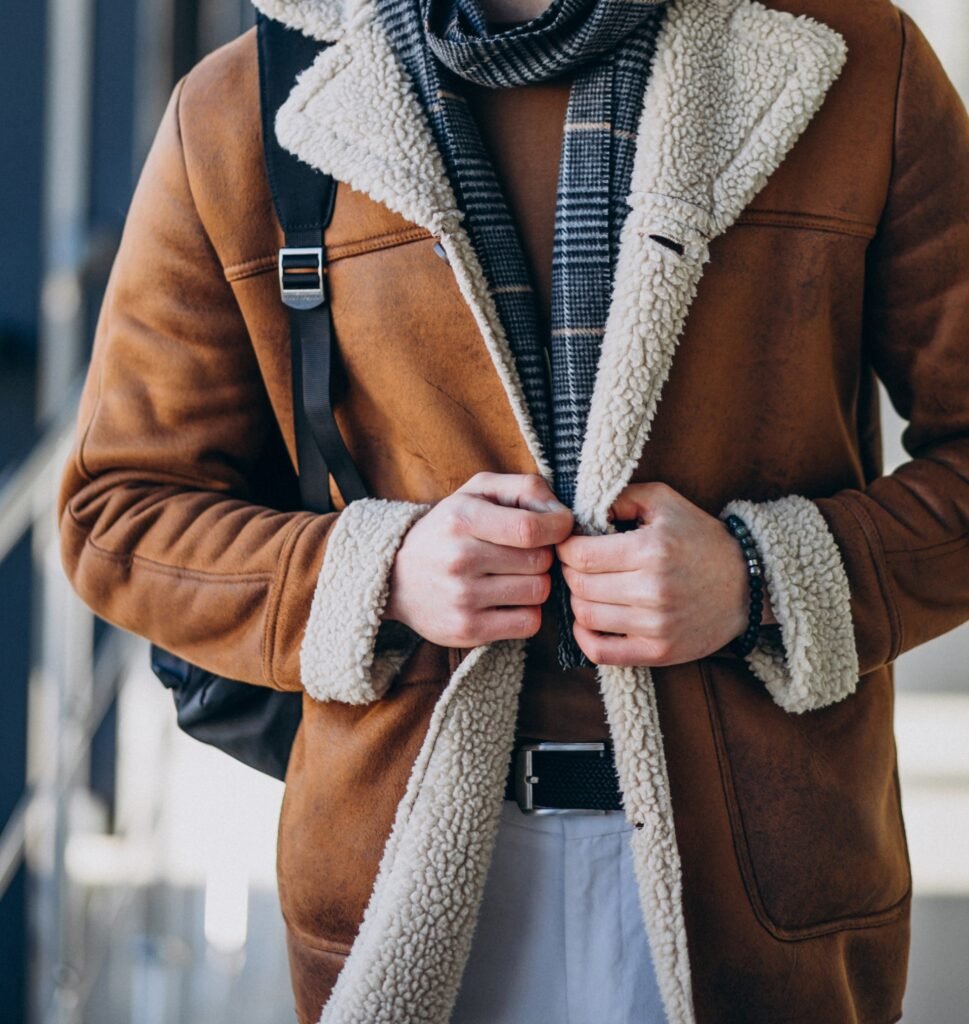
Introduction A premium wool jacket is more than another garment hanging in your wardrobe. It is the result of exceptional craftsmanship, carefully selected natural fibres, and precise tailoring. Whether it is a business blazer, a structured sports coat, or part of a bespoke suit, a well-made wool jacket is designed to last for years provided it receives the care it deserves. Yet, many people unknowingly shorten the lifespan of their jackets through improper storage. Thin wire hangers distort the shoulders, plastic garment covers trap moisture, overcrowded wardrobes compress the fabric, and excessive dry cleaning weakens natural fibres. These small habits often cause more damage than years of regular wear. Unlike synthetic fabrics, wool is a living natural fibre. It breathes, absorbs and releases moisture, and naturally resists wrinkles. These characteristics make wool one of the finest materials for tailoring, but they also mean that proper storage is essential to preserve its structure, texture, and longevity. Understanding how to store wool jacket correctly is not simply about keeping it clean. It is about protecting its shape, maintaining the integrity of the fabric, and ensuring that every time you wear it, it looks as refined as the day it was tailored. Whether you own one cherished blazer or an entire wardrobe of formal jackets, following the right storage practices will extend the life of your garments and protect the investment you have made in quality menswear. Why Proper Storage Matters Many people assume that once a jacket is hung inside a wardrobe, the job is done. In reality, storage plays a significant role in determining how a wool jacket ages. Every time a jacket is worn, its fibres respond to body heat, moisture, and movement. Shoulders support weight, sleeves crease naturally, and the fabric absorbs small amounts of humidity from the environment. Wool has the remarkable ability to recover from much of this stress, but only when given the right conditions. Poor storage accelerates wear in several ways: By comparison, thoughtful storage allows wool to recover naturally between wears. The fabric relaxes, wrinkles soften, and the jacket retains the balanced silhouette that skilled tailoring was designed to achieve. For premium garments, storage should be viewed as an extension of craftsmanship rather than an afterthought. Brush Your Wool Jacket Before Putting It Away One of the simplest yet most overlooked maintenance habits is brushing your jacket after wearing it. Throughout the day, wool attracts dust, pollen, airborne particles, and microscopic dirt. Although these contaminants may not be immediately visible, they gradually settle into the fibres, affecting both appearance and longevity. Using a soft natural-bristle clothing brush removes surface debris before it works deeper into the fabric. Gentle downward strokes are sufficient to lift dust without damaging the weave. Brushing also helps restore the fabric’s natural texture, particularly on premium wools where the finish contributes significantly to the garment’s appearance. Making this a routine after every few wears dramatically reduces the need for frequent dry cleaning while keeping your jacket looking fresh. Choose The Right Hanger Perhaps no accessory is more important for jacket storage than the hanger itself. Thin plastic or wire hangers concentrate the weight of the garment onto a narrow area, causing shoulder distortion over time. Once the structure begins to collapse, restoring the original silhouette becomes difficult. Instead, choose wide wooden hangers that closely match the natural width of your shoulders. They provide even support across the garment and preserve the jacket’s intended shape. Quality hangers also maintain: This is particularly important for structured jackets made with full-canvas or half-canvas construction, where preserving the internal architecture is essential. A premium wool jacket deserves more than the same hanger used for lightweight shirts. Never Store Wool In Plastic Covers It is common to receive a suit or jacket inside a plastic cover after dry cleaning. Many people assume this is the safest place to keep it. In reality, plastic is one of the worst long-term storage options for wool. Plastic traps humidity around the garment and prevents natural airflow. Over time this creates an environment where moisture accumulates, increasing the risk of mildew, unpleasant odours, and fibre deterioration. Natural fibres need to breathe. For long-term storage, use breathable cotton garment bags instead. These protect the jacket from dust while allowing sufficient air circulation to keep the fabric healthy. Breathable storage is especially important in humid climates, where temperature fluctuations can introduce additional moisture into wardrobes. Should You Fold Or Hang A Wool Jacket? For everyday storage, hanging remains the preferred option. A properly supported jacket naturally relaxes under its own weight, helping minor wrinkles disappear while preserving the intended silhouette. Folding should generally be reserved for travel, where luggage limitations make hanging impossible. If folding is necessary: Upon arrival, remove the jacket immediately and hang it in a well-ventilated space. Many travel wrinkles disappear naturally within several hours, while remaining creases can usually be removed using gentle steam. Proper handling during travel ensures that a wool jacket continues to look refined regardless of the destination. Protect Your Jacket From Moths Naturally One of the greatest threats to wool garments is not everyday wear it is improper storage that attracts moths. Contrary to popular belief, moths do not consume clean wool itself. They are attracted to natural fibres carrying traces of perspiration, food particles, skin oils, or dust. This makes regular cleaning before seasonal storage particularly important. Natural protection methods include: These solutions discourage moth activity without exposing garments to harsh chemicals that may affect delicate natural fibres. Regular wardrobe inspections also help identify problems before significant damage occurs. Humidity And Temperature Matter More Than You Think The environment in which you store your jacket has a direct impact on its longevity. Wool is a hygroscopic fibre, meaning it naturally absorbs and releases moisture from the surrounding air. While this property makes wool exceptionally comfortable to wear, it also means that poor storage conditions can gradually affect its performance. A wardrobe that is damp, poorly ventilated, or exposed to fluctuating temperatures
