
Grandi & Rubinelli and Sea Island Cotton: A Study in Understated Luxury
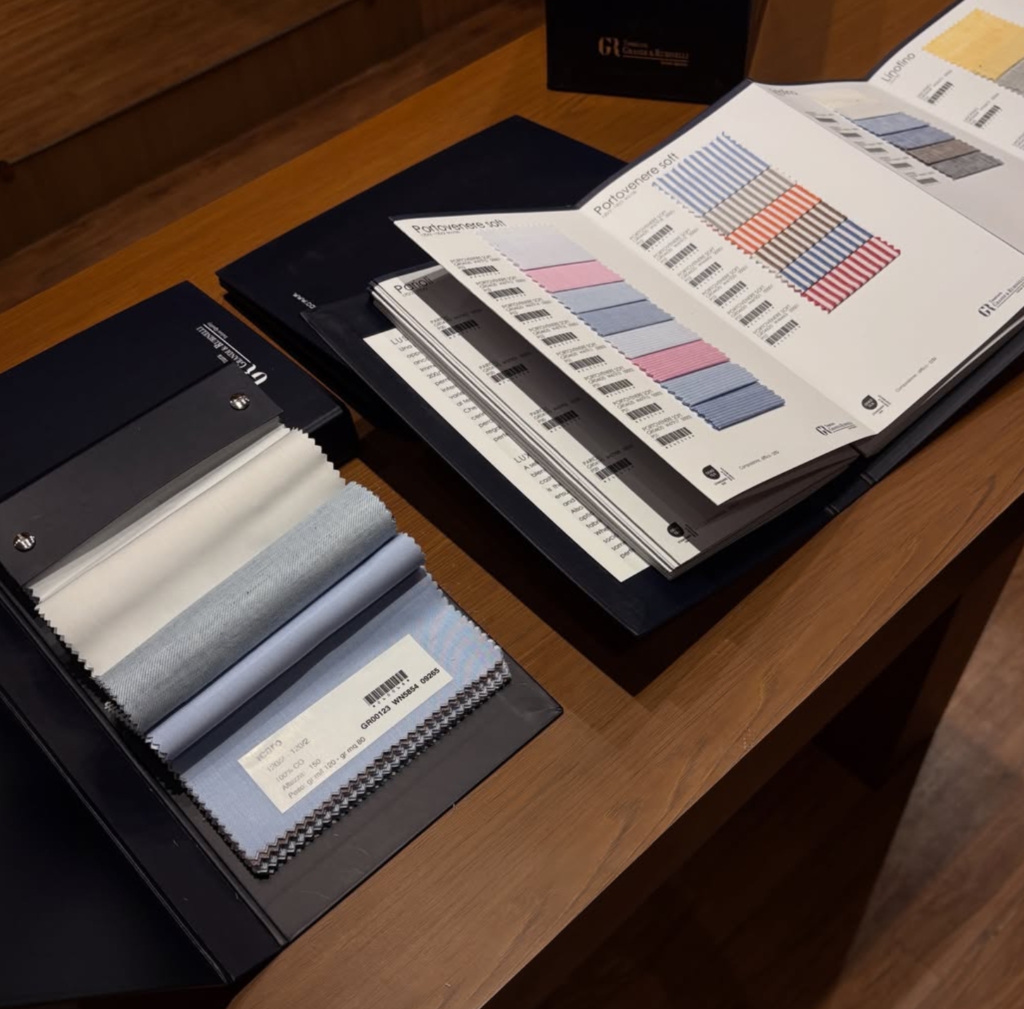
Introduction Luxury is often most persuasive when it is quiet. It is present in the feel of a cloth, the precision of a collar, the balance of a sleeve and the ease with which a garment becomes part of a person’s everyday life. These details rarely demand attention, yet together they define the difference between an ordinary shirt and one made with intention. At Shubham Shinde Atelier, the availability of Grandi & Rubinelli shirting brings this philosophy into focus. Known for its Italian textile expertise, Grandi & Rubinelli creates fabrics for those who appreciate material, construction and restraint. Within this world, Sea Island Cotton has a distinctive place: a rare cotton prized for its exceptionally long fibres, smooth handle and natural lustre. This is not simply a story about a prestigious name or an expensive raw material. It is about how the origin and character of a fabric influence the experience of wearing a shirt and why thoughtful fabric selection matters to a wardrobe built around enduring style. What is Grandi & Rubinelli? Grandi & Rubinelli is an Italian shirting-fabric mill whose work centres on the development and production of fine fabrics. The mill describes a process shaped by careful material selection, close attention to production and a commitment to quality. Its official production information explains that key stages including collection development, warping and weaving take place at its mill in Novara, Italy, while selected specialist processes are handled by nearby suppliers. For the wearer, the significance of a textile mill is found in the cloth itself. The yarn, weave, finishing and surface all contribute to how a shirt looks and feels. A fabric may appear understated on a hanger, but reveal a refined texture, a soft hand or a subtle sheen when seen in natural light. These are the nuances that make shirting fabric an important part of the finished garment rather than a detail to be considered after the design. Grandi & Rubinelli works with natural fibres including cotton, linen, silk and wool, and highlights the use of fine cotton yarns in its quality standards. The result is a fabric offering for discerning shirtmakers, tailors and luxury labels who understand that refinement begins well before cutting and stitching. Its appeal lies in material quality and the care behind the process, not in conspicuous branding. Why fabric is central to a luxury shirt A shirt is one of the most personal pieces in a man’s wardrobe. It sits close to the skin, frames the face and shoulders, and moves with the body throughout the day. Its cloth influences comfort, structure, drape and appearance. Even a beautifully designed shirt can feel incomplete if the fabric is not suited to its intended use. Weight and weave affect how a shirt behaves. A lighter fabric may feel airy and fluid, while a denser construction can offer a more defined appearance. Surface texture changes the way light falls across the garment; the finish can appear crisp and formal or relaxed and tactile. Fibre quality is one part of this equation, working alongside yarn construction, weave, finishing and tailoring. This is why choosing a fabric should involve more than selecting a colour. The wearer’s preferences, climate, routine, preferred fit and occasions all matter. A shirt intended for formal appointments may call for a different cloth from one designed for relaxed evenings or frequent travel. A considered choice makes the final piece feel coherent: visually refined, comfortable to wear and appropriate to the life it is made for. Sea Island Cotton: what makes this fibre distinctive? Sea Island Cotton is highly regarded for its exceptionally long staple fibres. Fibre length matters because it can support the spinning of fine, smooth yarns. When carefully processed and woven, these yarns can create cloth with a soft hand, a clean surface and a subtle natural lustre. The appeal is not merely visual; the fibre’s character contributes to the tactile experience of the finished fabric. Authentic Sea Island Cotton is associated with a limited growing region in the West Indies, including islands such as Barbados, Jamaica and Grenada. Grandi & Rubinelli states that its Sea Island Cotton is certified by WISICA, the West Indian Sea Island Cotton Association and that seasonal crops are managed through the relevant consortium, which oversees quality and spinning. The mill also notes that its certified Sea Island Cotton is spun in Switzerland. These details matter because the name Sea Island Cotton should not be treated as a generic synonym for any soft or premium cotton. Its reputation is tied to origin, fibre characteristics and systems designed to support authenticity. When a fabric is described as Sea Island Cotton, provenance and certification are useful points to verify, especially in a luxury market where the distinction between an evocative label and a traceable material matters. Sea Island Cotton’s rarity adds to its appeal, but rarity alone does not make a shirt exceptional. The fibre must be handled well, the yarn and weave must suit the intended garment, and the shirt must be cut and constructed with care. Its true value is expressed when the material’s natural qualities and the maker’s decisions work together. The feel: softness, lustre and everyday comfort One of the qualities associated with Sea Island Cotton is its smooth, refined handle. Fine, long fibres can help produce yarns with fewer protruding fibre ends, contributing to a clean surface and a comfortable feel. The cloth may also show a gentle sheen, a restrained reflection of light rather than a glossy effect. In a well-chosen shirt, these qualities create elegance without relying on a pattern or a visible logo. Comfort, however, is never determined by fibre alone. Fabric weight, weave density, finishing and the garment’s fit all influence how a shirt feels over several hours. A luxurious cloth should be assessed in context: how it rests against the skin, how it moves, and whether its structure suits the wearer’s needs. For this reason, handling a swatch and discussing the intended use can be more
