
What Is a Bespoke Suit? Bespoke vs Made-to-Measure vs Ready-to-Wear
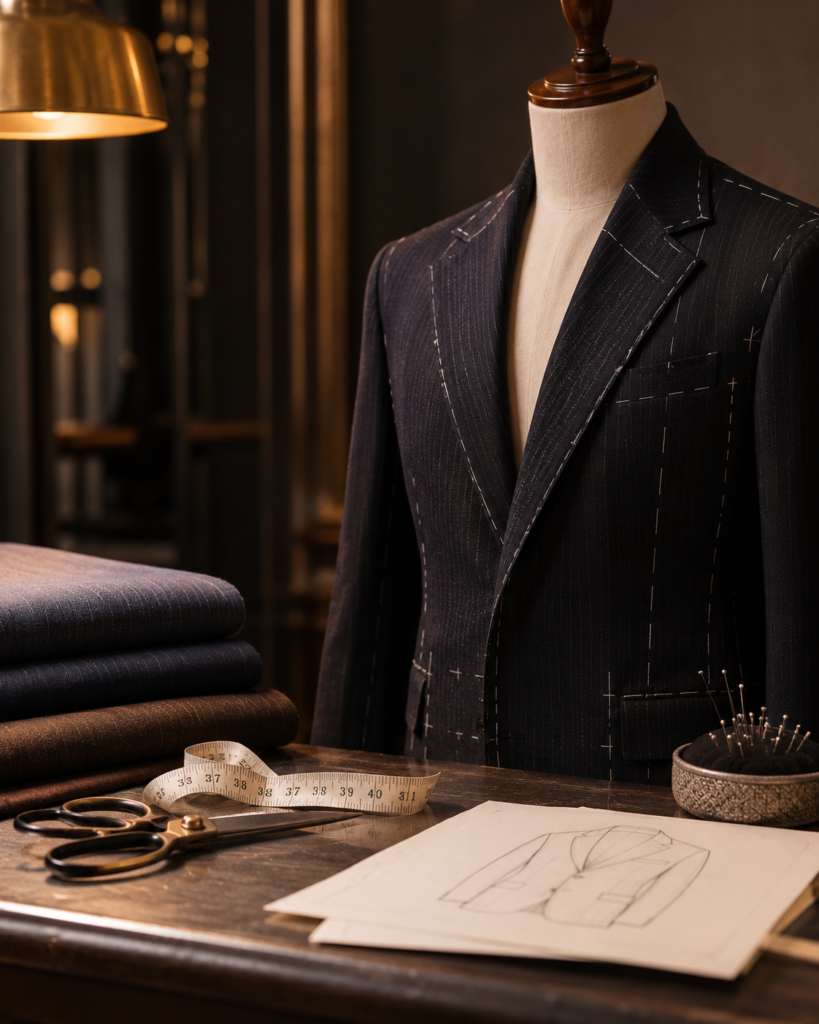
A suit can look perfectly tailored on a hanger and still feel wrong when you wear it. The difference often comes down to how it was made. While ready-to-wear suits are produced in standard sizes and made-to-measure garments adapt an existing pattern to your measurements, bespoke tailoring begins with an individual pattern created for the person who will wear it. For men investing in a suit for a wedding, business occasion or a more considered wardrobe, understanding these three categories can make the decision much easier. But what exactly makes a suit bespoke? Is made-to-measure the same thing? And is the additional investment in bespoke tailoring worth it? Let’s look at what separates the three, how the process works and what you should consider before commissioning your next suit. What Is a Bespoke Suit? A bespoke suit is a garment created around an individual’s body measurements, proportions, posture and design preferences. Rather than simply adjusting a standard-size garment, the tailor drafts an individual pattern for the client and develops the suit through a series of fittings. The word bespoke has traditionally been associated with cloth reserved for a particular customer. Today, in tailoring, it describes a highly individual process in which the garment is developed specifically for its wearer. A traditional bespoke process may involve: The Savile Row Bespoke Association describes how a bespoke suit begins with cloth cut using an individual paper pattern and is shaped through skilled tailoring work. While methods vary between ateliers, the defining idea is personal construction rather than standard sizing. A bespoke suit is not simply a suit with your initials on the lining or a choice of buttons. Its defining feature is the individual pattern and the tailoring process behind it. Bespoke vs Made-to-Measure vs Ready-to-Wear: What’s the Difference? These three terms are often used interchangeably in menswear, but they describe different approaches to making a garment. The most important differences are the starting pattern, the level of individualisation and the fitting process. Feature Bespoke Made-to-Measure Ready-to-Wear Starting point Individual pattern drafted for the client Existing pattern adjusted to measurements Standard-size pattern Measurements Detailed individual measurements and posture assessment Key body measurements Standard sizing Fit adjustments Developed through individual fittings Adjustments based on the existing pattern Usually limited to alterations Design choices Highly individualised Varies by tailor and service Predetermined by the collection Fittings Multiple fittings are common One or more, depending on the service Usually none before purchase Production Made for the individual client Existing pattern adapted for the client Produced in standard sizes Best suited for Those seeking individual fit and design Those seeking a more personalised fit than standard sizing Those prioritising convenience and immediate availability The exact process can differ between tailoring houses. Some made-to-measure services offer extensive customisation, while bespoke services vary in their construction methods and number of fittings. It is always worth asking what the service actually includes rather than relying on the label alone. 1. Bespoke Suits: Made Around You A bespoke suit starts with the person, not a standard garment. The tailor studies the client’s measurements, proportions and posture before creating an individual pattern. This allows the construction to account for details such as shoulder slope, body balance, chest shape and the way the wearer naturally stands. The process also gives the client a greater role in the design. Depending on the atelier, choices may include: The result is a garment developed around a particular person and their requirements. Who should consider bespoke? Bespoke tailoring can be particularly suitable for men who have difficulty finding a consistent fit in standard sizes, want a specific silhouette, or are commissioning a suit for an important occasion. It can also appeal to those who value the process of designing a garment rather than simply selecting one from a collection. 2. Made-to-Measure Suits: A More Personalised Fit Made-to-measure sits between bespoke and ready-to-wear. The process generally begins with an existing pattern or sizing block. The tailor takes the client’s measurements and adjusts the pattern to improve the fit. Fabric, lining, buttons and certain design details may also be selected by the customer. For example, a client may choose a particular fabric and customise the sleeve length, jacket waist or trouser measurements while the underlying pattern remains based on an existing block. This can offer a useful balance between personalisation, time and cost. However, made-to-measure does not necessarily involve the same degree of individual pattern drafting or fitting as bespoke tailoring. Who should consider made-to-measure? It may be a good option for someone whose proportions are reasonably close to standard sizing but who wants a more personalised fit, fabric or design than an off-the-rack suit offers. 3. Ready-to-Wear Suits: Convenience and Immediate Availability Ready-to-wear suits are designed and manufactured in standard sizes. They are available as finished garments, allowing customers to purchase and wear them without going through a custom tailoring process. They are a practical option when convenience, availability and a defined budget are priorities. The limitation is that standard sizing cannot account for every individual’s proportions. A jacket may fit comfortably across the chest but feel too long in the sleeves. The shoulders may sit correctly while the waist requires adjustment. A tailor can often improve the fit through alterations such as sleeve shortening, trouser hemming or waist adjustments. However, alterations have limits, particularly when changes involve the garment’s fundamental structure. Who should consider ready-to-wear? Ready-to-wear works well for men who need a suit quickly, find a size that fits them comfortably, or want a practical addition to their wardrobe without commissioning a new garment. For ideas on building a versatile collection, explore our guide to suits every man should own. Why Does the Fit of a Bespoke Suit Feel Different? The appeal of bespoke tailoring goes beyond taking measurements. Two people can have the same chest measurement and still have very different body proportions. Shoulder slope, posture, back shape, arm position and body balance all influence how a jacket sits. A standard-size suit is developed
