
Bandhgala vs Jodhpuri Suit: What’s the Difference, and Which Should You Wear?
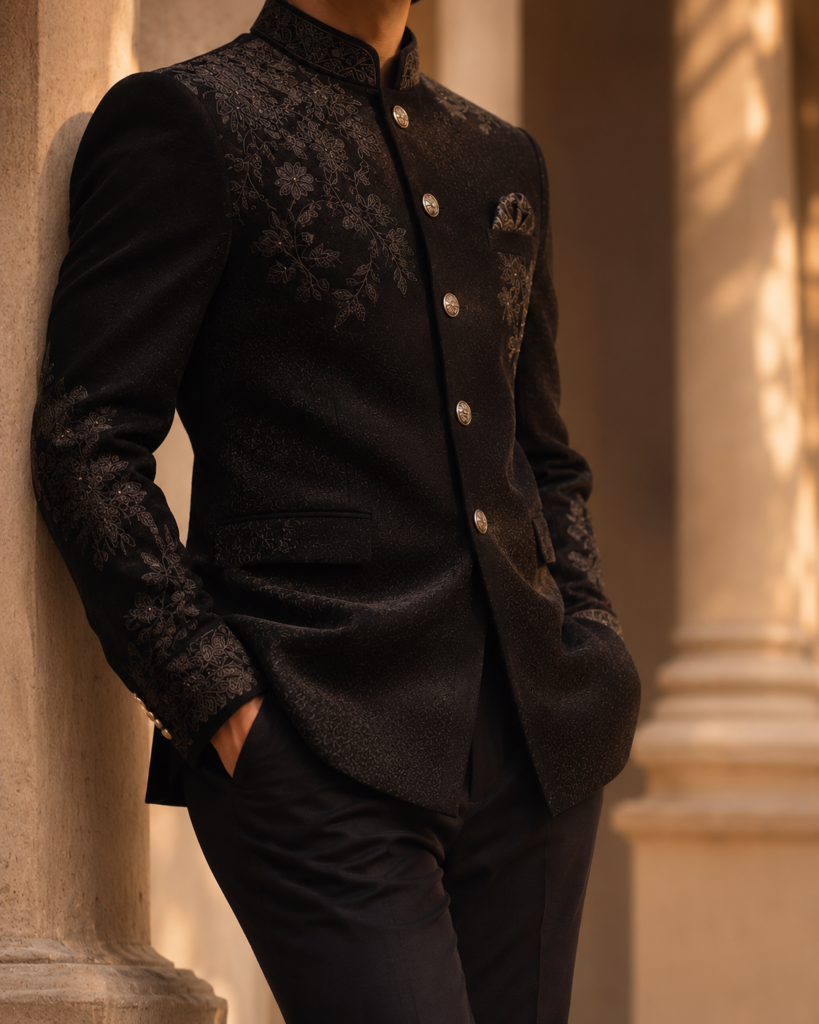
Indian menswear has a distinctive relationship with tradition. From the precision of structured tailoring to the richness of heritage-inspired silhouettes, certain garments have remained relevant because they strike a balance between cultural identity and contemporary elegance. Two styles that continue to attract attention in Indian formalwear are the Bandhgala and the Jodhpuri suit. Often used interchangeably, these styles share several characteristics, particularly their closed neckline, structured construction and refined appearance. However, there are differences in how the terms are used, how the garments are styled and what makes each suitable for different occasions. A Bandhgala primarily describes a closed-neck jacket with a standing collar, whereas a Jodhpuri suit generally refers to a coordinated formal ensemble featuring a similar jacket and tailored trousers. Whether you’re preparing for a wedding, attending a formal reception or looking to build a more refined wardrobe, understanding these distinctions can help you make a better sartorial decision. Let’s explore both styles, their heritage, construction, fabrics and the occasions they are best suited for. 1. What Is a Bandhgala Suit? The Bandhgala is one of the most recognisable silhouettes in Indian menswear. Its defining characteristic is a closed neckline, usually accompanied by a short standing collar that frames the neck. The term Bandhgala comes from two Hindi words: ‘Bandh’, meaning closed, and ‘Gala’, meaning neck. Unlike conventional Western suits that feature open lapels, the Bandhgala presents a continuous, structured appearance from the collar down the front of the jacket. Its appeal lies in its restraint. There is no requirement for a tie or an elaborate neckline. Instead, the garment relies on its proportions, construction and detailing to establish its identity. Key characteristics of a Bandhgala Closed neckline: A standing collar creates the signature appearance and distinguishes it from conventional suit jackets. Structured silhouette: The jacket follows the wearer’s natural proportions, creating a clean and composed appearance. Minimal detailing: Designs can range from understated formal jackets to elaborate versions featuring embroidery, decorative buttons and handcrafted details. Versatile styling: A Bandhgala can be paired with matching trousers, contrasting tailored trousers or traditional bottoms, depending on its design. Fabric flexibility: Wool, silk blends, velvet, cotton blends and other suitable textiles can be used depending on the season and occasion. One of the biggest advantages of a Bandhgala is its adaptability. A minimalist design can work for formal dinners and professional occasions, while a richly detailed version can become an excellent choice for wedding celebrations. It allows traditional Indian tailoring to coexist with contemporary menswear aesthetics. 2. What Is a Jodhpuri Suit? The Jodhpuri suit is closely associated with the royal heritage and tailoring traditions of Jodhpur, Rajasthan. Its identity reflects the meeting of Indian court attire, equestrian influences and Western-inspired structured tailoring. A contemporary Jodhpuri suit generally features a closed-collar jacket paired with coordinated tailored trousers. Depending on the design, it may incorporate decorative buttons, embroidery, contrasting details or a waistcoat. The result is a coordinated formal ensemble that carries a distinctively Indian character. Key characteristics of a Jodhpuri suit The Jodhpuri suit is an excellent choice for men who appreciate Indian heritage but prefer a tailored alternative to conventional wedding attire. Its appeal comes from the balance between traditional character and modern sophistication. Understanding its heritage The history of the Bandhgala and Jodhpuri silhouettes is more interesting than simply associating them with royal clothing. Their evolution reflects the influence of Indian court dress, Rajput traditions and changing tailoring requirements. For a deeper understanding of the Bandhgala’s origins and evolution, read this historical explanation published by The Indian Express on the evolution of the Bandhgala. Understanding this heritage also explains why the silhouette continues to hold a distinctive place in Indian formalwear. 3. Bandhgala vs Jodhpuri Suit: What Is the Actual Difference? This is where the terminology can become confusing. Both styles share several visual characteristics, and contemporary designers and retailers do not always use the terms consistently. A Bandhgala primarily identifies the jacket’s closed neckline and overall construction. A Jodhpuri suit generally refers to the coordinated formal outfit built around a similar jacket. In other words, a Jodhpuri suit can feature a Bandhgala-style jacket. Here’s a closer comparison. Feature Bandhgala Jodhpuri Suit Definition Closed-neck jacket style Coordinated formal ensemble Neckline Closed standing collar Usually closed standing collar Styling Can be worn as a separate jacket Generally worn as a coordinated outfit Trousers Matching or contrasting Usually coordinated Design Minimal to elaborate Classic to ceremonial Versatility Highly adaptable Primarily formal Occasions Dinners, celebrations, weddings Weddings, receptions, formal events Overall appearance Contemporary and refined Structured and regal The distinction is primarily one of garment terminology and styling rather than two completely unrelated designs. A Bandhgala jacket can be worn independently, while a Jodhpuri suit usually refers to the complete coordinated ensemble. This distinction is particularly useful when selecting an outfit for an occasion. 4. Which One Should You Wear to a Wedding? Choosing between a Bandhgala and a Jodhpuri suit depends on the wedding function, your role in the celebration and the overall aesthetic you want to achieve. Both can work beautifully for Indian weddings, but they create slightly different impressions. For the wedding ceremony A coordinated Jodhpuri suit can be an excellent option for a groom who wants a structured and sophisticated appearance. Consider colours such as: Subtle embroidery and carefully selected buttons can introduce visual interest without overwhelming the silhouette. For the wedding reception A Bandhgala can be an excellent choice for a reception, particularly when you want a sharp silhouette without excessive ornamentation. Black, charcoal, midnight blue and deep brown are worth considering for evening celebrations. A velvet Bandhgala can introduce texture and depth, particularly for winter weddings. For engagement ceremonies Both styles work well for engagement celebrations. A minimalist Bandhgala paired with well-fitted trousers creates a contemporary appearance. A more structured Jodhpuri ensemble offers a stronger traditional formalwear aesthetic. The venue, time of day and overall dress code should guide your choice. For wedding guests Wedding guests generally have greater flexibility. A Bandhgala paired with contrasting
