
Formal Shirts for Men: The Detail That Makes a Suit Look Expensive
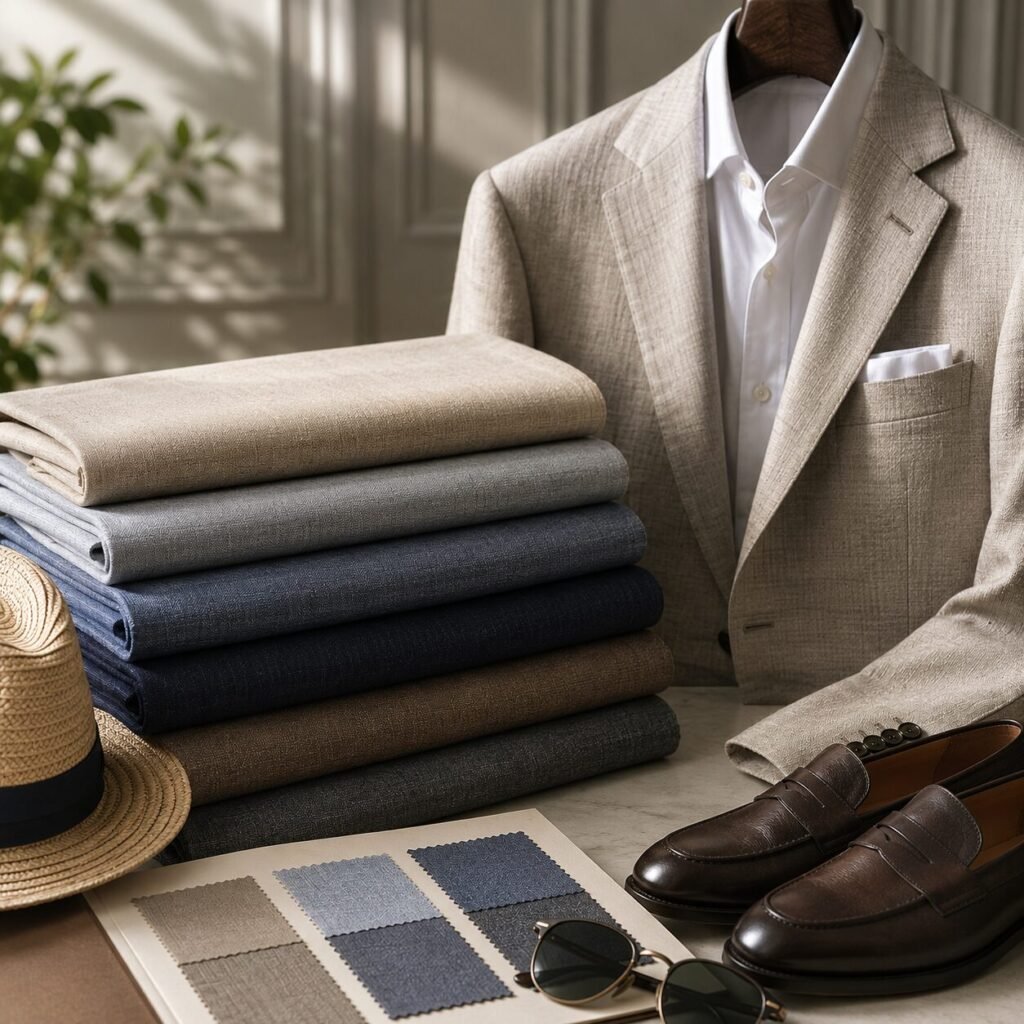
A suit gets the attention. The shirt makes it work. It sits closest to the skin, frames the face, determines how the collar and lapels interact, and provides the visual transition between the jacket and the wearer. Yet when men build a formal wardrobe, the shirt is often treated as an afterthought: white, blue, slim fit, done. That approach misses the point. The best formal shirts for men are not simply shirts that look formal. They are pieces designed with enough precision to make the entire outfit feel more considered. A collar that sits correctly can sharpen the face. A good fabric can give a jacket a cleaner fall. The right cuff can create the small glimpse of shirt that makes tailoring look intentional. Even the difference between crisp white and soft ivory can change the character of an entire suit. In refined menswear, the details are rarely decoration. They are construction. A Formal Shirt Is More Than a White Shirt White remains the most versatile colour in formal shirting for a reason. It works with navy, charcoal, black, brown and almost every traditional suit colour. But formality is not determined by colour alone. A formal shirt is defined by the relationship between fabric, collar, construction, fit and finishing. A crisp cotton shirt with a structured collar can sit naturally beneath a tailored jacket. A softer shirt with a relaxed collar may be excellent for smart-casual dressing but feel underpowered beneath structured tailoring. The difference becomes even more noticeable when the shirt is worn with a tie. The collar needs enough presence to support the knot. The front should remain clean beneath the jacket. The cuffs should appear in proportion to the sleeve. Nothing should bunch unnecessarily around the waist or shoulders. That is why the best formal shirts for men should be considered part of the complete outfit rather than as isolated garments. The Collar Is Where the Outfit Begins Look at a well-dressed man in a suit and your eyes naturally move toward his face. That makes the collar one of the most important details of the shirt. A collar frames the face and also interacts directly with the jacket’s lapel. Different collar shapes create different proportions, which is why there is no universally perfect collar. The Spread Collar The spread collar is one of the most versatile choices for formal dressing. Its wider points create space for a tie knot and complement many contemporary suit silhouettes. It can work particularly well with medium and wider lapels because the proportions feel balanced. The Semi-Spread Collar More restrained than a full spread, the semi-spread is a strong everyday formal option. It works well in professional environments and can transition easily between business and occasion dressing. The Point Collar The narrower, elongated points create a sharper visual line. It can work particularly well with slimmer tailoring and narrower ties. The important consideration is not choosing the “most fashionable” collar. It is choosing one that belongs to the proportions of the rest of the outfit. Why Collar Construction Matters Two shirts can have the same collar shape and still look completely different. The reason is construction. A structured collar can maintain a clean appearance beneath a suit, while softer constructions create a more relaxed roll. For formal dressing, collar construction becomes particularly important because it has to hold its shape around the neck while working with the jacket’s lapels. This is one of those details that may not immediately be obvious to the wearer. But it is visible in the final silhouette. A collar that collapses underneath a jacket can make the entire outfit appear less precise. A collar that maintains its shape creates a cleaner frame around the face. This is why craftsmanship matters even when the difference seems small. White Isn’t the Only Colour Worth Owning The traditional white formal shirt deserves a permanent place in a man’s wardrobe. But stopping there would make the wardrobe unnecessarily predictable. White The ultimate formal foundation. It works with almost every suit and is particularly effective for weddings, formal business occasions and evening dressing. Light Blue A softer alternative to white that remains highly formal. It works exceptionally well with navy, charcoal and grey tailoring and can make business dressing feel less severe without becoming casual. Ivory Ivory introduces warmth and can work beautifully with brown, beige, cream and certain navy tailoring. It is particularly effective when the objective is sophistication rather than strict corporate formality. Subtle Stripes Fine vertical stripes can add dimension without turning the shirt into the focal point. The key word is subtle. A formal shirt should support the tailoring around it rather than compete with the jacket. Soft Pastels Very restrained pink, lavender or muted blue can work for daytime events and contemporary formalwear when the rest of the outfit remains controlled. The colour should complement the suit, not become the reason the outfit exists. The Shirt and Suit Must Speak the Same Language One of the easiest ways to improve formal dressing is to stop thinking about the shirt and suit as separate purchases. They are a single visual composition. Consider a navy suit. A white shirt makes it classic. Light blue makes it slightly softer. Ivory makes it warmer. A fine stripe introduces pattern without disturbing the structure. Now consider charcoal tailoring. White creates strong contrast. Pale blue softens it. A subtle texture can introduce depth while maintaining formality. This becomes even more important when dealing with premium fabrics. A textured wool suit may benefit from a relatively clean shirt. A highly structured worsted suit can support a crisper formal shirt. A relaxed linen jacket generally works better with shirting that shares some of its informality. The principle is simple: Don’t make every element compete for attention. If the suit is the statement, let the shirt provide the foundation. Fabric Is Where Quality Becomes Noticeable You can see a shirt’s colour immediately. You often notice its fabric only after wearing it. And that is
