
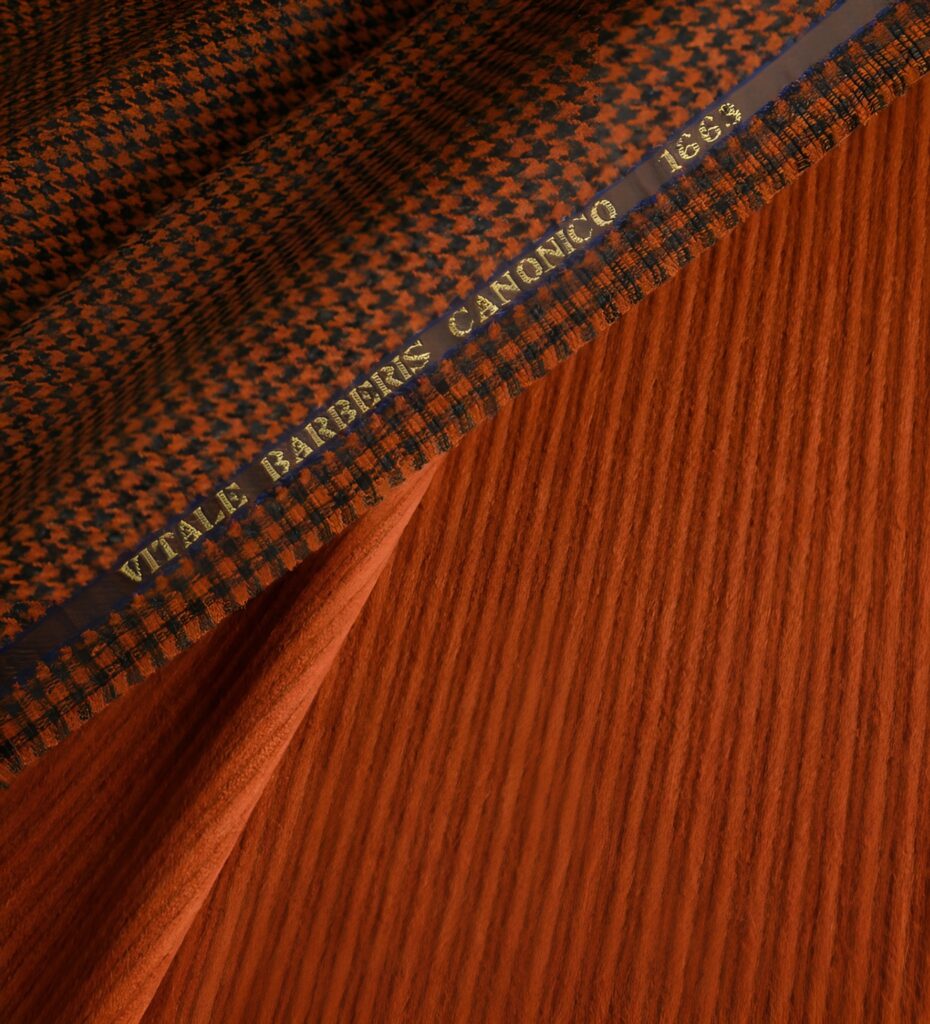
For the bespoke man — how to pick cloth that flatters, performs, and lasts
Choosing the right fabric is the single most important decision when commissioning a bespoke suit. The cut and craft define the silhouette, but the cloth determines how the suit moves — and ultimately how it makes you feel. As a menswear bespoke house partnering with premium mills such as Vitale Barberis Canonico (VBC), we want you to understand fabric with the same love and attention we bring to tailoring. Below is a deep, practical guide to help you choose the perfect fabric for your lifestyle, climate and occasions.
Why fabric matters
- Drape & structure: Fabrics with different yarn types and weaves fall differently — softer cashmere gives a relaxed drape, worsted wool gives crisp structure.
- Comfort & climate: Fiber, weight and weave control breathability and thermal behavior — critical if you live in a hot and humid region.
- Longevity & crease behavior: Some weaves (hopsack, twill) hide wear and creases; others (tropical wool) are designed to resist wrinkling while remaining light.
- Luxury & identity: Mill provenance (e.g., VBC), fiber origin, and finishing elevate the garment’s presence and durability. Vitale Barberis Canonico is one of the oldest Italian mills with deep archives and modern sustainability practices — a hallmark of long-lived, high-quality cloth.
Worsted Wool (the universal suiting star)
- What it is: Long-staple wool combed and spun to produce smooth, strong yarns.
- Why it’s popular: Versatile, holds a crease, drapes well and looks sharp. It’s the backbone of classic tailoring.
- Super numbers explained: “Super 100s / 120s / 150s” relate to fiber fineness — higher numbers denote finer (and usually softer and more luxurious) yarns, but finer doesn’t always mean more durable for daily wear. Choose based on use: Super 100–120s for regular wear; 130–150s+ for special-occasion or lighter-finish suits.
Flannel (soft warmth, refined texture)
- What it is: A brushed worsted or woolen fabric with a soft, slightly fuzzy finish.
- When to pick it: Winter and cooler months; excellent for a relaxed, luxurious look (think: deep-coloured, structured yet soft suits). Care: avoid heavy use in humid climates.
Tropical / Lightweight Worsted (hot-weather workhorse)
- What it is: Finely woven worsted at lower weights and often with open weaves or special finishing.
- Why it works in heat: Breathable and thin — many all-season wools fall in this category when they are 210–230 gsm, a versatile weight for warm climates and year-round wear. If you live in Mumbai, Delhi or other hot regions, look for tropical ranges or “Sunshine / Perennial” collections from mills.
Mohair & Mohair Blends (shine + resilience)
- What it is: Mohair (from the Angora goat) blended with wool for sheen and structure.
- Why it’s useful: Great for suits that need to resist creasing (travel suits) and to give a subtle lustre on stage or in daylight.
Cashmere blends (luxury & softness)
- What it is: Cashmere mixed with wool to add softness and warmth.
- When to use: Select for winter suits, jackets and luxury pieces — but be mindful blends can be heavier and need careful maintenance.
Cotton, Linen & Silk (seasonal/occasional choices)
- Shirting: Egyptian and long-staple cottons (Giza/Supima) give crisp, long-lasting shirts. Egyptian cotton’s long staple produces finer, softer yarns ideal for dress shirts.
- Linen: Extremely breathable but creases easily — perfect for island or very casual tailoring.
- Silk blends: Used for sheen and lightness in summer suits and linings; silk-linen mixes can be luxurious but need attention.
Picking Fabric For the Indian Climate (practical guide)
- Everyday office / versatile suit: Super 110–120s worsted, 210–230 gsm — breathable and structured.
- Hot & humid tropical: Tropical worsteds and hopsack; look for open weaves and mill “Sunshine/Perennial” ranges. Unlined or half-lined construction improves comfort.
- Formal evening / special events: Higher Super numbers (130s–150s) or wool-mohair blends for refined drape and subtle sheen.
- Winter / cold-season: Flannel, heavier tweeds, cashmere blends for insulation and luxury.
Weave & texture
- Twill: Diagonal lines, good drape, hides stains/creasing — classic suiting.
- Plain / Poplin: Smooth, crisp — often in shirts more than suits.
- Herringbone & Hopsack: Texture that adds character and hides wear.
How to read a mill collection (what to look for)
- Fiber origin & staple length: Longer staples → finer, stronger yarns.
- Finish & treatment: Superwash, mercerization, or special finishes affect sheen and breathability.
- Mill reputation: Choosing cloth from established mills (VBC, Loro Piana, Dormeuil, etc.) gives traceable quality and consistency. VBC, for example, combines archival references with modern sustainable practices — an important factor if provenance matters to you.
The Bespoke Checklist — Questions To Ask Before You Pick
- Where and when will I wear this suit? (daily, travel, formal occasions)
- What’s the climate where I’ll wear it? (seasonal weight & weave matter)
- Do I want structure (worseted, canvas) or relaxed drape (linen, flannel)?
- How often will it be cleaned or pressed? (delicate fabrics need careful upkeep)
- Do I prefer subtle texture or smooth, formal finish?
- Which mill/collection does this fabric come from? (mill provenance affects price and longevity)
Care & Maintenance — Extend The Life Of Great Cloth
- Rotate: Don’t wear the same suit every day; give cloth a day to recover.
- Steam, don’t over-press: Use steaming to remove creases; frequent pressing can crush nap or delicate fibers.
- Spot-clean quickly; dry-clean sparingly — over-drycleaning can strip oils.
- Proper storage: wide-shoulder wooden hanger, breathable garment bag, moderate humidity.
- For cashmere & flannel: brush gently and air out after use.
Our Recommendations (based on use)
- First bespoke suit (one that does everything): Super 110–120s worsted (210–230 gsm), navy or charcoal twill.
- Travel/commuter suit: Mohair-wool blend or hopsack for resilience and low-crease hold.
- Summer blazer: Hopsack or tropical worsted, half-lined with light canvas.
- Winter luxury: Flannel in Super 120s–140s or a cashmere-wool blend for depth and warmth.
- Shirts to pair: Egyptian/Giza long-staple cottons in poplin or twill.
