
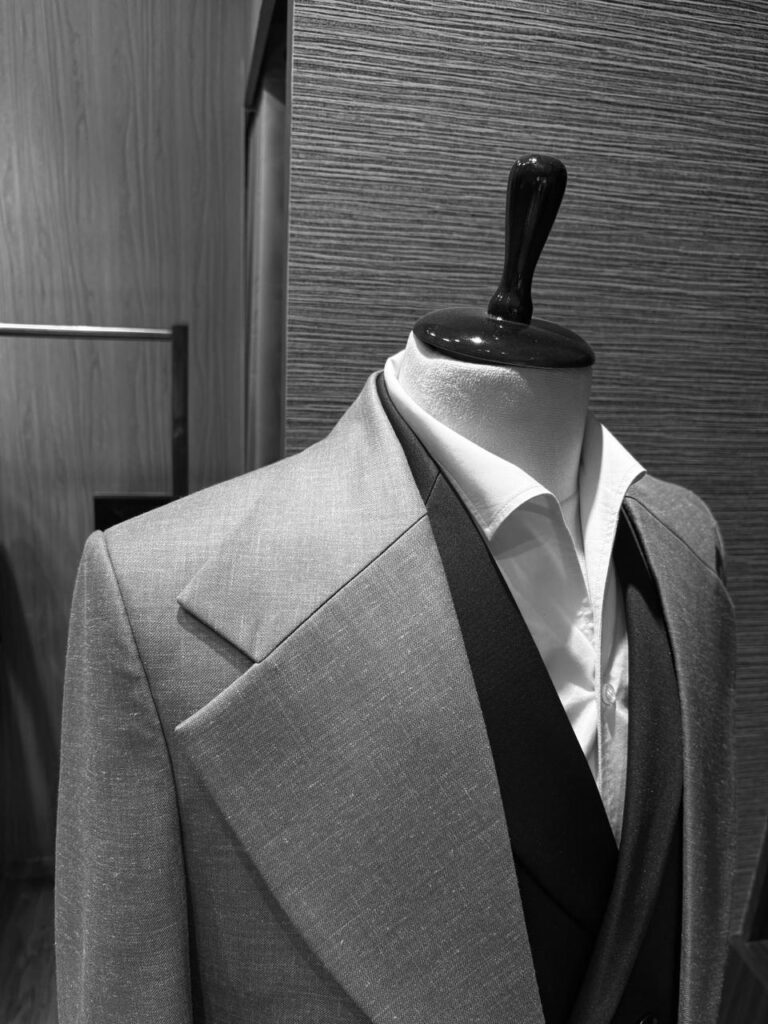
In refined dressing, fabric is not merely a material, it is a language. The way fabrics interact defines not only the visual appeal of an outfit but also its comfort, adaptability, and structure. Among the most important skills in modern tailoring is understanding menswear fabric combinations, particularly when working with wool, silk, and linen.
Each of these fabrics carries a distinct identity. Wool offers structure, silk introduces fluidity, and linen provides breathability. When combined with intention, they create garments that feel balanced, composed and appropriate across climates.
Understanding Fabric Roles in Menswear
Successful menswear fabric combinations begin with understanding the role each fabric plays.
Wool: The Structural Core
Wool forms the backbone of tailored garments. Its natural elasticity allows it to maintain shape, making it essential for structured silhouettes such as suits and jackets.
Silk: The Element of Refinement
Silk enhances an outfit through texture and subtle sheen. It is best used as a complementary fabric adding depth without overwhelming the ensemble.
Linen: The Breathable Counterbalance
Linen introduces lightness and airflow. Its relaxed texture makes it ideal for warmer climates but requires structured pairing to maintain polish.
For a deeper technical understanding of natural fabrics, you can refer to .
The Golden Rule: Balance Structure And Fluidity
The foundation of effective menswear fabric combinations lies in balance.
- Structured fabrics (wool) anchor the outfit
- Soft fabrics (silk) refine it
- Lightweight fabrics (linen) ease it
An imbalance too rigid or too relaxed can disrupt the overall composition.
Wool And Linen: The Ideal Summer Combination
One of the most practical menswear fabric combinations is wool and linen.
Why It Works:
- Wool maintains structure
- Linen enhances breathability
Styling Approach:
- Tropical wool blazer with linen trousers
- Linen shirt under a lightweight wool jacket
This pairing is particularly effective for climates like India, where temperature and humidity demand adaptability.
Wool And Silk: Elevated Formal Dressing
For formal occasions, wool and silk create a sophisticated balance.
Why It Works:
- Wool provides a clean silhouette
- Silk introduces visual depth
Styling Approach:
- Wool suit with a silk shirt
- Structured blazer with silk accessories
This combination reflects a more polished interpretation of menswear fabric combinations, suitable for evening and ceremonial wear.
Linen and Silk: Relaxed Yet Refined
Linen and silk together create a softer aesthetic.
Why It Works:
- Linen offers texture
- Silk smoothens the overall appearance
Styling Approach:
- Linen jacket with silk shirt
- Linen trousers with silk-blend layers
This combination is ideal for occasions that require understated elegance.
Combining Wool, Silk, and Linen in One Outfit
Bringing all three fabrics together is the ultimate test of balance.
Principles to Follow:
- Keep wool as the base for structure
- Use silk sparingly for refinement
- Introduce linen for comfort
Example:
- Tropical wool blazer
- Linen trousers
- Silk pocket square
Such combinations represent the highest level of menswear fabric combinations, where each element contributes without overpowering the other.
Colour and Texture Coordination
Fabric pairing is incomplete without colour harmony.
Key Guidelines:
- Stick to neutral palettes for cohesion
- Avoid conflicting textures and colours
- Use silk to introduce subtle contrast
These choices ensure that the focus remains on the interaction of fabrics rather than distraction.
The Role of Tailoring in Fabric Pairing
Even the most thoughtful menswear fabric combinations depend on execution. Tailoring ensures that different materials align in proportion and structure.
At Shubham Shinde, fabric pairing is approached as a discipline where material, cut, and construction are considered together rather than in isolation. This becomes evident across the brand’s tailored suit collections, where structure and fluidity are carefully balanced to achieve a composed silhouette.
Common Mistakes in Fabric Pairing
Overcomplicating Textures
Too many textures can create visual inconsistency.
Ignoring Fabric Weight
Mismatch in weight disrupts balance.
Excessive Use of Silk
Too much sheen can overpower the outfit.
Lack of Structure
Avoid pairing only soft fabrics without a structured base.
Modern Menswear: A Shift Toward Intentional Dressing
Today, menswear fabric combinations reflect a deeper understanding of dressing. The focus is no longer on individual garments, but on how elements work together.
This shift represents a movement toward:
- Thoughtful styling
- Functional elegance
- Material awareness
Conclusion: The Discipline of Fabric Pairing
Mastering menswear fabric combinations is not about experimentation alone it is about understanding. Wool, silk, and linen each serve a purpose, and when combined with intention, they create garments that are both elegant and practical.
True refinement lies in balance. When structure, softness, and breathability coexist, the result is an outfit that feels complete effortless yet precise.
