
Linen Wedding Suits: Stylish or Too Casual?
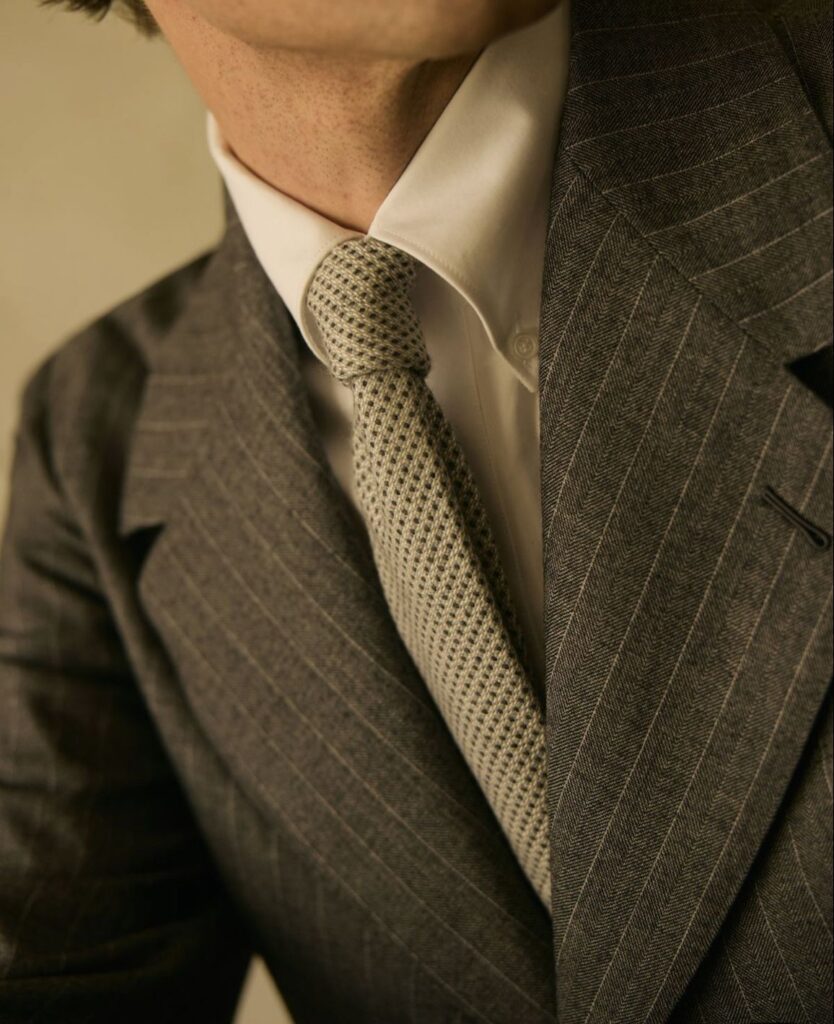
Introduction: Rethinking Linen in Formalwear Few fabrics divide opinion in menswear as much as linen. It is celebrated for its breathability and ease, yet often questioned for its informality. When it comes to wedding occasions defined by precision and permanence the question becomes even more relevant: are linen wedding suits a refined choice, or do they lean too far into casual territory? The answer is not absolute. Linen, when understood and styled correctly, can achieve a level of elegance that feels effortless rather than forced. However, it requires a different approach, one that respects both its strengths and its limitations. Understanding Linen: The Fabric Itself To evaluate linen wedding suits, one must first understand linen as a material. Derived from the flax plant, linen is known for its lightweight construction and natural breathability. It allows air to circulate freely, making it particularly suited to warm climates. Its texture, however, is inherently more relaxed than that of wool. It creases easily, and its drape is softer, less structured. These characteristics are precisely what create the debate. Linen does not impose form—it responds to movement. In a setting that traditionally values sharpness, this can be perceived as either refreshing or insufficient. The Perception of Formality Formality in menswear is often tied to structure. Fabrics that hold shape such as wool are associated with discipline and refinement. Linen, by contrast, introduces fluidity. This is why linen wedding suits are sometimes viewed as less formal. The natural creasing, the lighter texture and the softer silhouette all contribute to a more relaxed aesthetic. However, formality is not defined by fabric alone. Context plays an equally important role. A linen suit worn at a beach wedding, under natural light, aligns perfectly with its surroundings. The same suit in a grand evening ballroom may feel out of place. The distinction lies not in the garment itself but in where and how it is worn. When Linen Wedding Suits Work Exceptionally Well There are environments where linen does not merely work, it excels. In outdoor settings, particularly in warm or coastal climates, linen wedding suits offer both comfort and visual harmony. The fabric reflects light differently, creating a softer, more natural presence. It complements the setting rather than competing with it. Daytime weddings also benefit from linen’s character. Lighter shades such as ivory, beige, and muted pastels enhance the fabric’s strengths, creating a look that feels intentional and composed. In such contexts, linen is not casual, it is appropriate. Where Linen Can Fall Short Despite its advantages, linen has limitations that must be acknowledged. In highly formal environments black-tie events, evening receptions or traditional indoor ceremonies, the relaxed nature of linen can appear underdressed. The lack of sharp structure may not meet the expectations of the setting. Additionally, linen’s tendency to crease can become more noticeable in long events. While some level of creasing is part of its character, excessive wrinkling can disrupt the overall impression if not managed properly. Understanding these limitations is essential when considering linen wedding suits for a formal occasion. The Role of Tailoring in Elevating Linen One of the most effective ways to refine linen is through tailoring. A well-tailored linen suit introduces structure where the fabric naturally lacks it. Clean shoulders, a defined waist and balanced proportions help counteract the softness of the material. At Shubham Shinde Atelier, linen garments are approached with this balance in mind preserving the fabric’s natural ease while introducing enough structure to maintain a composed silhouette. This ensures that linen wedding suits retain their elegance without losing their character. Tailoring does not change the nature of linen, but it refines its expression. Fabric Blends: A Practical Alternative For those who appreciate linen’s comfort but seek more structure, blends offer a compelling solution. Linen-wool blends combine breathability with resilience, allowing the garment to hold its shape more effectively. Linen-silk blends introduce subtle sheen, elevating the overall appearance. These combinations retain the essence of linen while addressing its limitations, making them particularly suitable for weddings that require a balance between comfort and formality. Colour and Styling Considerations The success of linen wedding suits often depends on colour and styling. Lighter tones work naturally with linen’s texture, enhancing its relaxed elegance. Darker colours, while possible, can sometimes feel heavier and less aligned with the fabric’s inherent qualities. Styling should remain restrained. Clean shirts, minimal accessories, and well-chosen footwear ensure that the outfit feels cohesive. Overcomplicating the look can create imbalance, drawing attention away from the fabric itself. Structure vs Ease: Finding the Right Balance The debate around linen wedding suits ultimately comes down to balance. Too much structure can work against the fabric, making it feel forced. Too little can result in an overly casual appearance. The ideal approach lies somewhere in between where the garment maintains shape without losing its natural ease. This balance is what separates a considered linen suit from one that appears unrefined. Modern Wedding Dressing: A Shift in Perspective Weddings today are no longer confined to rigid traditions. There is a growing acceptance of individuality, climate-conscious dressing, and context-driven choices. In this evolving landscape, linen wedding suits have gained relevance. They represent a shift toward comfort without compromising intent, a move away from excessive formality toward thoughtful elegance. This does not mean that linen replaces traditional fabrics, but rather that it expands the options available to the modern wearer. Practical Considerations Before Choosing Linen Before deciding on a linen suit, it is worth considering a few practical aspects. The climate should support the fabric. The setting should align with its level of formality. The tailoring should enhance its structure. And the wearer should be comfortable embracing its natural characteristics, including slight creasing. When these factors are aligned, linen wedding suits can feel entirely appropriate. Conclusion: Stylish Or Too Casual? The question is not whether linen wedding suits are stylish or too casual, it is whether they are chosen with understanding. Linen, by nature, is relaxed. But when placed in the right context, tailored with
How To Choose The Perfect Wedding Suit
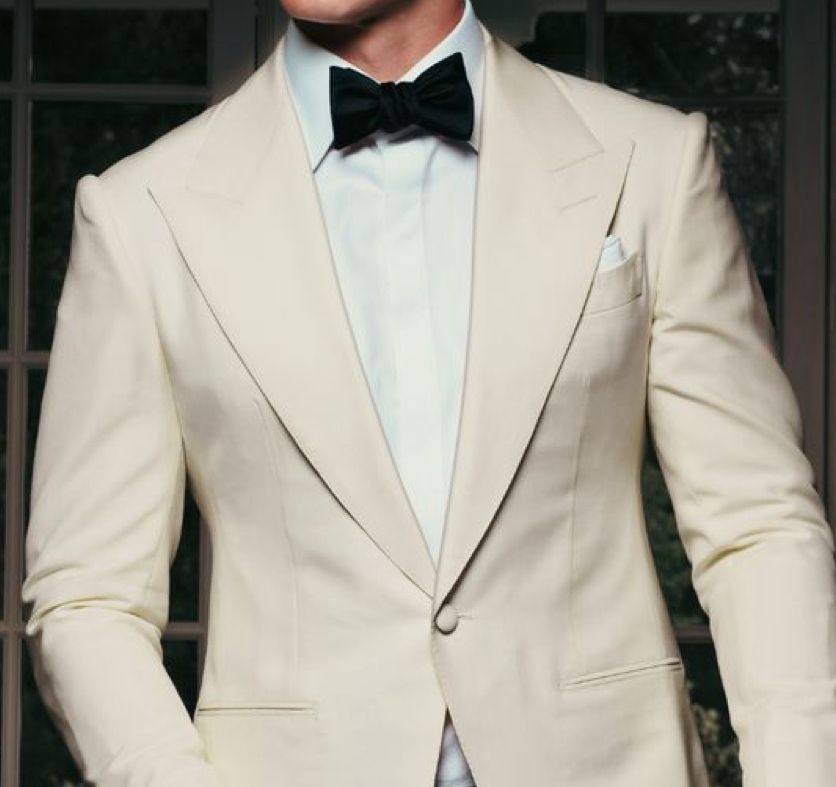
Introduction A wedding is a moment of permanence. It is photographed, remembered and revisited over time. In such a setting, attire is not simply a matter of appearance it becomes part of the memory itself. Choosing the best wedding suit men can wear requires more than selecting a well-cut garment. It involves understanding the occasion, the climate, the role of fabric and the importance of structure. The right suit does not just look appropriate; it performs, endures and reflects intent. Start with the Context: Venue, Time and Role The first step in selecting the right suit is understanding where and when it will be worn. An evening ballroom wedding naturally calls for deeper tones, sharper tailoring and more formal fabrics. In contrast, a daytime or outdoor ceremony benefits from lighter colours and breathable materials. Destination weddings introduce another variable climate which often demands lighter construction and fabrics that adapt to heat and humidity. Equally important is the wearer’s role. A groom’s attire carries more visual weight than that of a guest, requiring greater attention to detail and individuality.The best wedding suit men choose always aligns with its setting before it attempts to stand out. Wool remains the most reliable option for formal weddings. Its natural elasticity allows it to maintain structure while remaining breathable making it suitable for long hours of wear. For warmer climates, lightweight variations such as tropical wool offer the same structure with improved airflow. Linen, while comfortable, carries a more relaxed character and is better suited to informal or destination settings. Silk, when used in blends or detailing, introduces a level of refinement that enhances the overall garment without overpowering it. A well-chosen fabric ensures that the best wedding suit men wear remains composed from ceremony to celebration. Fit and Proportion: The Foundation of Presence Fit is often discussed but rarely understood in its entirety. It is not simply about tightness or looseness; it is about proportion. A properly tailored suit begins at the shoulders, which should sit cleanly without excess fabric. The waist should follow the natural line of the body, creating shape without restriction. Sleeve and trouser lengths must be precise, allowing the garment to frame the body rather than distort it. When these elements come together, the suit enhances posture and creates a sense of ease. The wearer appears composed not because of the garment alone but because the garment supports natural movement. Structure And Construction: What Holds The Suit Together Beyond fabric and fit lies construction the unseen element that defines how a suit performs.Structured garments, particularly those built with canvas construction, retain their shape over extended wear. They resist creasing, maintain clean lines, and adapt to the body over time. This is especially important for weddings, where the suit is worn continuously through different stages of the event. Unstructured or poorly constructed garments may appear adequate initially but tend to lose form, affecting the overall impression. The difference is subtle but significant and it directly impacts how the best wedding suit men can rely on performs throughout the day. Colour Selection: Choosing With Intent Colour should be approached with restraint. Classic tones such as navy, charcoal and black remain relevant because they offer depth and versatility. For daytime weddings, lighter shades such as ivory, beige or muted pastels can be appropriate, provided they align with the setting. Evening events benefit from darker tones, which carry a sense of formality and presence.Rather than choosing colour to attract attention, it is more effective to select one that complements the environment and the occasion. Bandhgala or Western Suit: Defining Your Expression In Indian weddings, the choice often extends beyond the conventional suit.The Bandhgala offers a distinctly cultural expression. Its structured silhouette and closed-neck design create a formal presence that is both traditional and refined. It is particularly suited to ceremonial settings. A Western suit, by contrast, offers versatility. It can be styled differently across events and remains relevant beyond the wedding itself. The decision is not about which is better but about what aligns with the wearer’s identity and the tone of the occasion. Personalisation: Subtle, Not Excessive Personalisation should enhance the garment not dominate it. Thoughtful details such as a custom lining, discreet monogramming or carefully selected buttons add individuality without disrupting the overall balance. These elements are rarely visible at first glance but they contribute to a deeper sense of ownership. The suit feels considered, rather than assembled. Comfort and Practicality: Often Overlooked, Always Felt A wedding involves hours of standing, sitting and movement. Comfort, therefore, is not optional! It is essential.Breathable fabrics, proper construction and accurate fit all contribute to a suit that remains comfortable throughout the event. When comfort is achieved, the wearer is free to focus on the moment rather than the garment.The best wedding suit men wear supports them quietly without demanding attention. The Role of Tailoring Expertise True refinement lies in execution. The difference between a good suit and the right suit often comes down to the skill of the tailor. At Shubham Shinde, wedding garments are developed with a focus on proportion, fabric behaviour, and structural balance. Each piece is approached as a complete system rather than a standalone product. This philosophy is reflected across the brand’s formal and wedding suit collections, where craftsmanship ensures that the garment maintains its integrity throughout the occasion. Common Mistakes to Avoid Many decisions that compromise a wedding suit are made early and often go unnoticed until the final result.Relying on trends rather than timeless design can quickly date the garment. Overlooking fabric quality affects both comfort and durability. Most importantly, neglecting fit undermines every other element, regardless of how premium the material may be.A measured, considered approach avoids these pitfalls and ensures that the final outcome feels cohesive. A Practical Checklist Before Finalising Before confirming your suit, it is worth ensuring a few essentials:The suit aligns with the venue and time of the weddingThe fabric is appropriate for the climateThe fit supports natural movementThe construction maintains structure over
Fabric Pairing In Menswear: How To Combine Wool, Silk & Linen
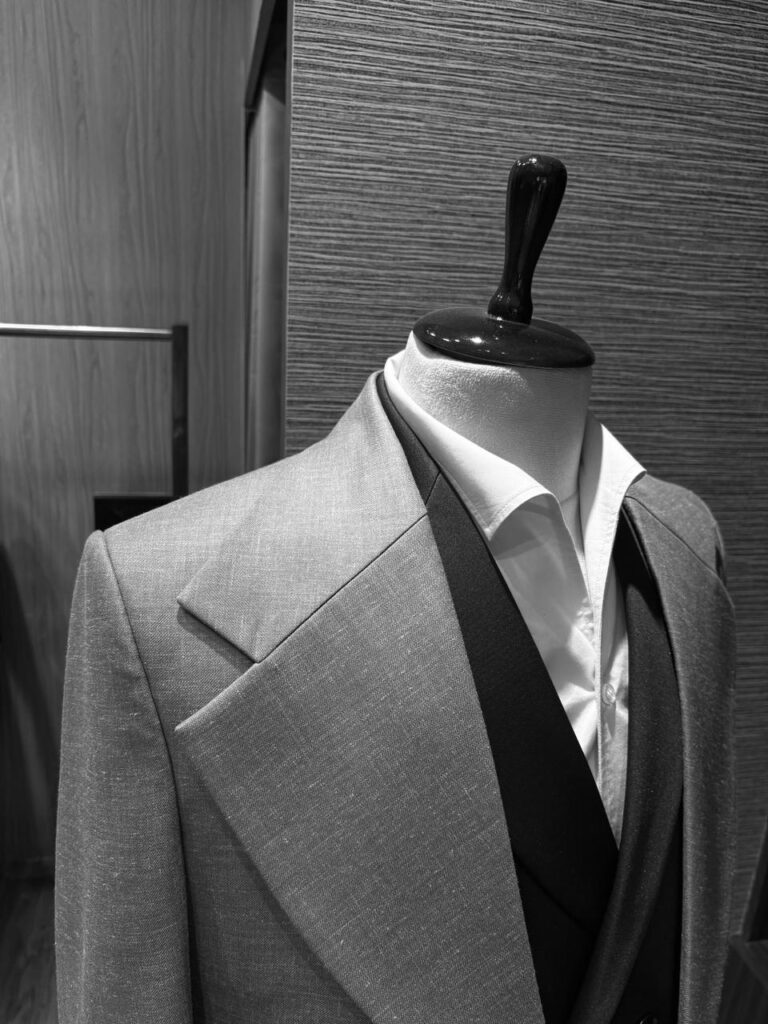
In refined dressing, fabric is not merely a material, it is a language. The way fabrics interact defines not only the visual appeal of an outfit but also its comfort, adaptability, and structure. Among the most important skills in modern tailoring is understanding menswear fabric combinations, particularly when working with wool, silk, and linen. Each of these fabrics carries a distinct identity. Wool offers structure, silk introduces fluidity, and linen provides breathability. When combined with intention, they create garments that feel balanced, composed and appropriate across climates. Understanding Fabric Roles in Menswear Successful menswear fabric combinations begin with understanding the role each fabric plays. Wool: The Structural Core Wool forms the backbone of tailored garments. Its natural elasticity allows it to maintain shape, making it essential for structured silhouettes such as suits and jackets. Silk: The Element of Refinement Silk enhances an outfit through texture and subtle sheen. It is best used as a complementary fabric adding depth without overwhelming the ensemble. Linen: The Breathable Counterbalance Linen introduces lightness and airflow. Its relaxed texture makes it ideal for warmer climates but requires structured pairing to maintain polish. For a deeper technical understanding of natural fabrics, you can refer to . The Golden Rule: Balance Structure And Fluidity The foundation of effective menswear fabric combinations lies in balance. An imbalance too rigid or too relaxed can disrupt the overall composition. Wool And Linen: The Ideal Summer Combination One of the most practical menswear fabric combinations is wool and linen. Why It Works: Styling Approach: This pairing is particularly effective for climates like India, where temperature and humidity demand adaptability. Wool And Silk: Elevated Formal Dressing For formal occasions, wool and silk create a sophisticated balance. Why It Works: Styling Approach: This combination reflects a more polished interpretation of menswear fabric combinations, suitable for evening and ceremonial wear. Linen and Silk: Relaxed Yet Refined Linen and silk together create a softer aesthetic. Why It Works: Styling Approach: This combination is ideal for occasions that require understated elegance. Combining Wool, Silk, and Linen in One Outfit Bringing all three fabrics together is the ultimate test of balance. Principles to Follow: Example: Such combinations represent the highest level of menswear fabric combinations, where each element contributes without overpowering the other. Colour and Texture Coordination Fabric pairing is incomplete without colour harmony. Key Guidelines: These choices ensure that the focus remains on the interaction of fabrics rather than distraction. The Role of Tailoring in Fabric Pairing Even the most thoughtful menswear fabric combinations depend on execution. Tailoring ensures that different materials align in proportion and structure. At Shubham Shinde, fabric pairing is approached as a discipline where material, cut, and construction are considered together rather than in isolation. This becomes evident across the brand’s tailored suit collections, where structure and fluidity are carefully balanced to achieve a composed silhouette. Common Mistakes in Fabric Pairing Overcomplicating Textures Too many textures can create visual inconsistency. Ignoring Fabric Weight Mismatch in weight disrupts balance. Excessive Use of Silk Too much sheen can overpower the outfit. Lack of Structure Avoid pairing only soft fabrics without a structured base. Modern Menswear: A Shift Toward Intentional Dressing Today, menswear fabric combinations reflect a deeper understanding of dressing. The focus is no longer on individual garments, but on how elements work together. This shift represents a movement toward: Conclusion: The Discipline of Fabric Pairing Mastering menswear fabric combinations is not about experimentation alone it is about understanding. Wool, silk, and linen each serve a purpose, and when combined with intention, they create garments that are both elegant and practical. True refinement lies in balance. When structure, softness, and breathability coexist, the result is an outfit that feels complete effortless yet precise.
Travel Tailoring: Wrinkle-Resistant Suits That Maintain Structure
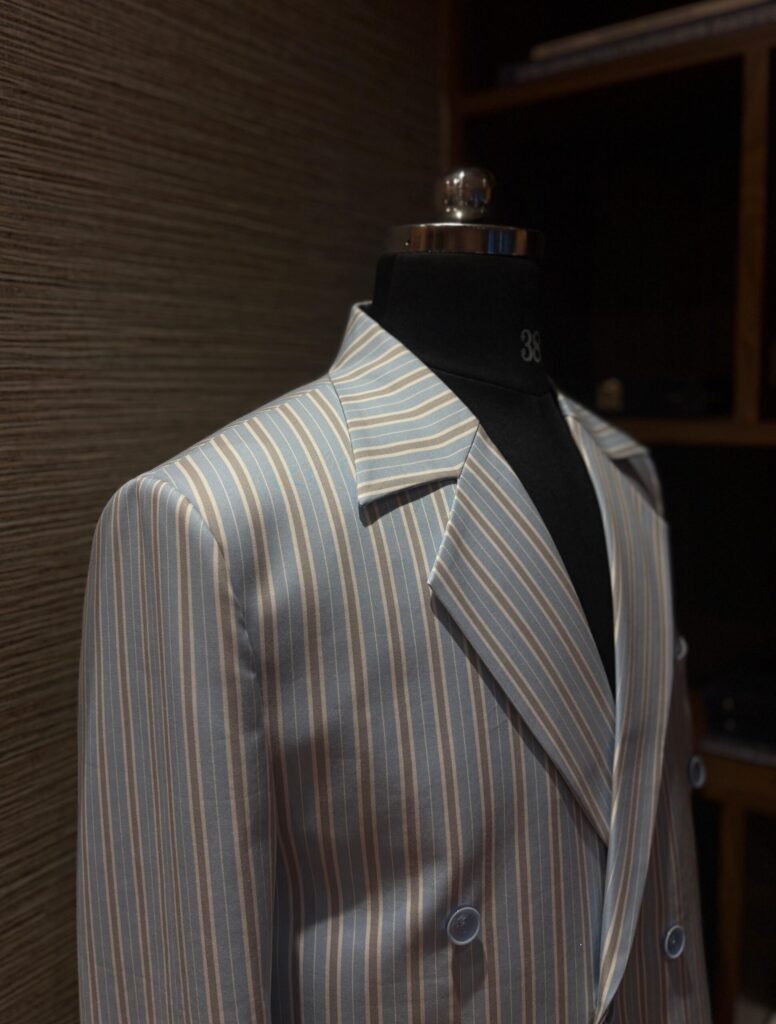
Travel today is constant, dynamic and often unpredictable. For the modern gentleman, maintaining a polished appearance while moving between cities, climates, and commitments is no longer optional it is expected. Yet, traditional tailoring often struggles under these conditions, losing its sharpness through creasing and fatigue. This is where wrinkle resistant suits redefine expectations. Designed to endure movement without compromising structure, these garments represent a shift toward performance-driven elegance where craftsmanship meets practicality. Why Wrinkle Resistance Matters in Tailoring A suit’s true test lies not in stillness, but in motion. Long flights, extended meetings, and packed schedules expose garments to continuous stress. Wrinkle resistant suits address these challenges by ensuring: For professionals and travellers alike, the ability to remain composed without constant maintenance is invaluable. What Makes a Suit Wrinkle Resistant? Wrinkle resistance is not a single feature it is the result of multiple factors working together. 1. Fabric Construction High-quality fibers with natural elasticity are essential. Wool, particularly high-twist wool, has an inherent ability to return to its original shape after being creased. 2. Yarn Twist and Weave Fabrics with tightly twisted yarns resist wrinkling more effectively. Open weaves such as tropical wool allow flexibility while maintaining resilience. 3. Fabric Weight Lightweight fabrics designed for movement are less prone to deep creasing, making them ideal for wrinkle resistant suits. The Role of Wool in Wrinkle Resistant Suits Among all suiting fabrics, wool stands out as the most reliable choice for wrinkle resistance. Its natural crimp allows it to flex and recover, making it ideal for travel. Why Wool Performs Best: High-quality wool fabrics ensure that wrinkle resistant suits remain structured even after extended use. Tropical Wool: The Traveller’s Advantage Tropical wool deserves particular attention for travel tailoring. Designed for warm climates, it combines breathability with durability. Benefits for Travel: For those frequently on the move, tropical wool-based wrinkle resistant suits offer the perfect balance of comfort and structure. Construction Matters: Beyond Fabric Even the finest fabric cannot compensate for poor construction. The way a suit is built significantly affects its ability to resist wrinkles. Key Construction Elements: 1. Canvas StructureHalf or full canvas construction allows the suit to move naturally with the body, reducing stress points. 2. Proper LiningBreathable linings prevent overheating and reduce fabric tension. 3. Precision TailoringBalanced cuts ensure even distribution of movement, minimizing creasing. At Shubham Shinde, travel-ready garments are designed with these principles in mind—ensuring that structure is preserved even under demanding conditions. Packing Wrinkle Resistant Suits for Travel Even the best wrinkle resistant suits benefit from proper handling. Practical Tips: These simple steps help maintain the integrity of the garment during transit. Wrinkle Resistant Suits vs Traditional Suits Feature Wrinkle Resistant Suits Traditional Suits Crease Resistance High Moderate Travel Suitability Excellent Limited Maintenance Low High Structure Retention Strong Variable This comparison highlights why wrinkle resistant suits are becoming essential for modern lifestyles. Styling for Travel: Maintaining Elegance on the Move A travel suit must do more than resist wrinkles—it must adapt to multiple settings. Key Styling Considerations: A well-chosen wrinkle resistant suit can transition seamlessly from airport lounges to formal meetings. The Shift Toward Functional Luxury Modern luxury is no longer defined by excess, but by performance. Garments are expected to deliver comfort, durability, and refinement simultaneously. Wrinkle resistant suits embody this philosophy, offering: They reflect a broader shift toward intentional dressing where every element serves a purpose. The Future of Travel Tailoring As travel becomes more integrated into professional life, the demand for performance-driven garments will continue to grow. Future innovations may include: Yet, the core principle will remain unchanged: tailoring must adapt without compromising elegance. Conclusion: Structure That Travels With You The essence of great tailoring lies in its ability to endure. Wrinkle resistant suits redefine what it means to remain polished, ensuring that structure is not lost in motion. For the modern gentleman, they represent more than convenience they represent control. A garment that holds its form allows the wearer to focus not on appearance, but on presence. In a world constantly in motion, true elegance is not static. It travels with you. At Shubham Shinde, travel-ready garments are developed with an emphasis on fabric intelligence and structural precision. Each suit is tailored to retain its form through movement ensuring that elegance is not compromised by transit. This approach becomes particularly relevant when considering garments designed for frequent movement, where fabric, construction and proportion must work in harmony to maintain a composed silhouette throughout the day. Those seeking such pieces can explore the brand’s range of tailored suits, where structure and performance are approached with equal importance. FAQ’s 1. What are wrinkle resistant suits? Wrinkle resistant suits are designed using specific fabrics and construction techniques that minimize creasing and maintain structure during wear and travel. 2. Which fabric is best for wrinkle resistant suits? Wool, especially high-twist and tropical wool, is the best fabric due to its natural elasticity and recovery properties. 3. Are wrinkle resistant suits suitable for travel? Yes, they are ideal for travel as they maintain a sharp appearance even after long hours of movement. 4. Do wrinkle resistant suits require ironing? Minimal ironing is required, as the fabric naturally regains shape when hung properly. 5. Can wrinkle resistant suits be worn in summer? Yes, lightweight options like tropical wool make them comfortable and breathable for warm climates. This blog is strong for ranking under travel + suits + performance menswear.
Colonial Influence on Indian Menswear: From Safari Suits To Tailored Elegance
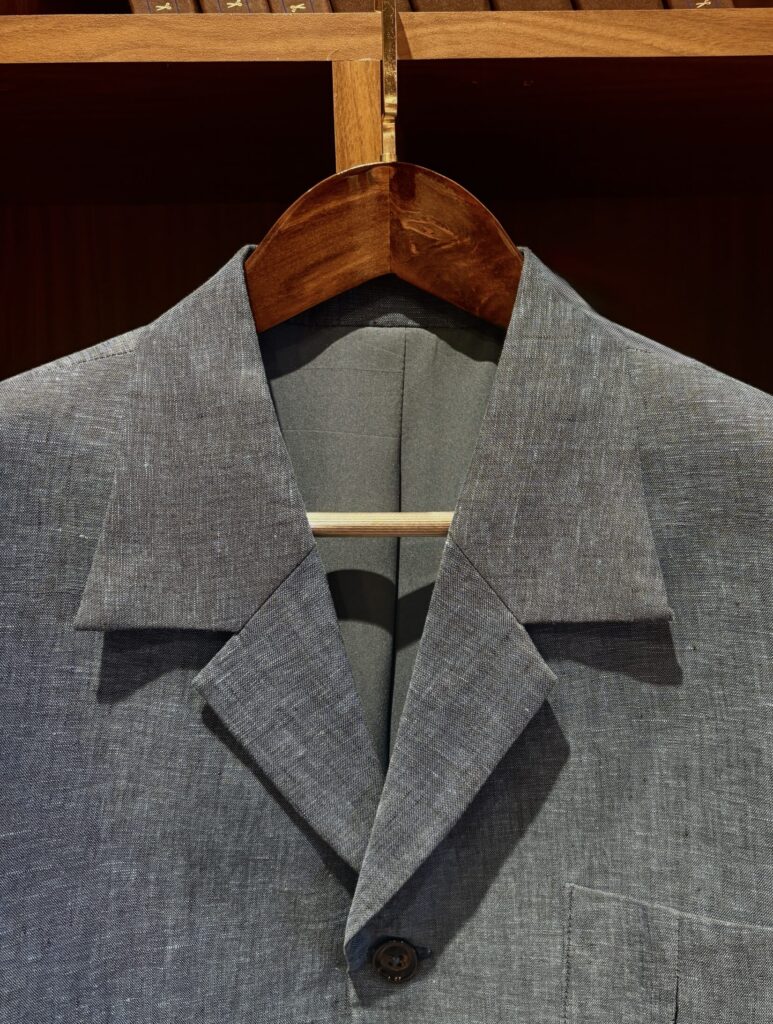
Indian menswear has undergone a remarkable transformation, one shaped not only by tradition but also by historical influence. Among the most defining shifts was the introduction of safari suits, a garment born out of colonial necessity that would go on to shape an entire era of dressing. What began as a practical solution for tropical climates gradually evolved into a symbol of authority and everyday formalwear. However, as tastes refined and expectations changed, Indian menswear moved beyond utility toward precision, structure and craftsmanship. This journey from safari suits to tailored elegance reflects a broader evolution in how men perceive style: not just as clothing but as identity. Colonial India And The Birth Of Safari Suits The origins of safari suits can be traced back to British colonial rule in India. Designed for officers, administrators and explorers, these garments were built to withstand harsh climates while maintaining a sense of authority. Crafted primarily from cotton or lightweight fabrics, safari suits featured: Their design drew heavily from military uniforms, blending functionality with a subtle assertion of control and hierarchy. Safari Suits In Indian Society As colonial influence expanded, safari suits were gradually adopted by Indian elites, government officials and professionals. What was once a colonial uniform transitioned into a mainstream garment. During the post-independence decades, particularly the 1970s and 1980s, safari suits became synonymous with: Their accessibility and practicality made them widely popular across India, embedding them deeply into the cultural fabric of menswear. The Limitations Of Safari Suits In Modern Menswear Despite their historical significance, safari suits began to lose relevance as fashion evolved. Their relaxed construction, once considered practical, came to be seen as lacking refinement. Key Limitations: As global exposure increased, the demand shifted toward garments that offered both comfort and visual precision—something safari suits struggled to deliver. The Rise Of Structured Tailoring In India With the globalization of fashion and increased awareness of international tailoring standards, Indian menswear began to embrace structure. This shift marked a clear departure from the relaxed nature of safari suits, introducing: The modern Indian man began to value garments that enhanced posture and presence, rather than merely serving functional needs. The Emergence Of The Bandhgala And Refined Formalwear As structured tailoring gained prominence, garments like the Bandhgala emerged as powerful alternatives to safari suits. Combining Indian heritage with disciplined tailoring, the Bandhgala offered: Unlike the relaxed nature of safari suits, the Bandhgala emphasized precision, making it a preferred choice for those seeking refined elegance. Fabric Evolution: From Utility To Luxury The transformation of Indian menswear was not limited to silhouettes—it extended deeply into fabric selection. Then: Now: Modern fabrics allow garments to maintain structure while adapting to climate, bridging the gap between comfort and sophistication. Contemporary Menswear: Precision Over Practicality Today, menswear is defined by intentional choices. The focus has shifted from purely functional garments like safari suits to pieces that reflect individuality and discipline. Key characteristics of modern menswear include: At Shubham Shinde, this philosophy is brought to life through garments that prioritize craftsmanship, proportion, and material integrity offering a clear evolution from the era of safari suits to contemporary structured elegance. For a deeper exploration of modern tailored garments, you can explore the collection here Safari Suits in Today’s Context While no longer dominant, safari suits have not disappeared entirely. They continue to exist in niche contexts: However, their role today is largely symbolic rather than aspirational. The modern wardrobe demands versatility and refinement qualities that structured tailoring delivers more effectively. Conclusion: From Function to Form The journey from safari suits to tailored elegance reflects a deeper evolution in Indian menswear. What began as functional attire designed for colonial practicality has given way to garments that emphasize structure, identity, and craftsmanship. Today, style is no longer defined by necessity alone—it is shaped by intention. The modern man chooses garments that not only suit the climate but also elevate presence. In this transformation lies the true essence of contemporary menswear: a balance between heritage and precision, where every garment tells a story of refinement. Section Title Colonial Influence on Indian Menswear: From Safari Suits To Tailored Elegance Bynshubh1998@gmail.com 29/03/2026 Uncategorized Indian menswear has undergone a remarkable transformation, one shaped not only by tradition but also… Read More The Bandhgala: India’s Definitive Expression Of Structured Elegance Bynshubh1998@gmail.com 16/03/2026 Uncategorized Introduction Few garments command quiet authority like the Bandhgala. Rooted in Indian royal… Read More Wools vs. Linen vs. Cotton: Best Summer Suit Fabrics For India Bynshubh1998@gmail.com 08/03/2026 Uncategorized The Challenge of Wearing Suits in Summer India’s climate demands thoughtful choices in menswear… Read More Tropical Wool: The Secret to Structured Summer Suits Bynshubh1998@gmail.com 25/02/2026 Blogs Tropical Wool: The Secret to Structured Summer Suits Tropical Wool: The Secret to Structured Summer… Read More Super 110s–150s Wool Fabric for Suit: Summer Ready Bynshubh1998@gmail.com 17/02/2026 Uncategorized Super 110s–150s Wool For Summer Suiting Explained Summer tailoring presents a paradox. The season… Read More The Ethos Of Craft Capitalism Bynshubh1998@gmail.com 05/02/2026 Uncategorized In an age where fashion is increasingly dictated by speed, scale, and immediacy, Shubham Shinde… Read More Merino Wool Trousers: Benefits, How To Care & Best Outfits Bynshubh1998@gmail.com 03/01/2026 Blogs,Uncategorized Merino Wool Trousers: Benefits, How To Care & Best Outfits Men’s formalwear has evolved far… Read More The Art of Choosing the Perfect Wedding Tuxedo: A Groom’s Guide To Timeless Elegance Bynshubh1998@gmail.com 12/12/2025 Uncategorized When you picture your wedding day, you envision every detail – the atmosphere, the vows, the… Read More The Blue Linen Shirt: A Timeless Essential For The Modern Sartorial Man Bynshubh1998@gmail.com 23/11/2025 Blogs In the world of refined menswear, certain garments transcend trends and become permanent fixtures in… Read More
The Bandhgala: India’s Definitive Expression Of Structured Elegance
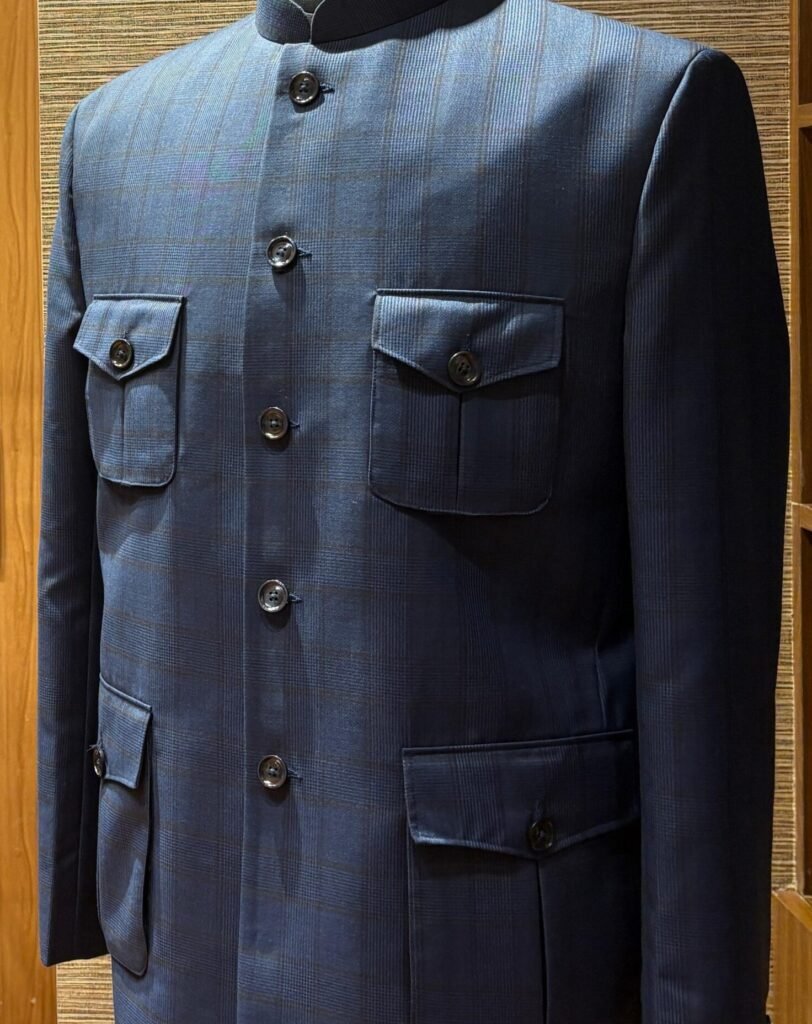
Introduction Few garments command quiet authority like the Bandhgala. Rooted in Indian royal heritage and refined through modern tailoring, the Bandhgala stands as a definitive expression of structured elegance. Its clean lines, closed collar and disciplined silhouette create a garment that is both culturally resonant and globally relevant. In an era where menswear often oscillates between excess and informality, the Bandhgala offers a composed alternative one that communicates confidence through restraint. Origins Of The Bandhgala The Bandhgala originated in the princely courts of Jodhpur during the late 1800s. Maharajas sought attire suitable for diplomatic engagements with British officials, garments that respected Indian tradition while aligning with Western tailoring conventions. This need gave rise to a hybrid form: Over time, the Bandhgala evolved into a symbol of Indian sophistication, worn by statesmen, diplomats, and cultural icons. Defining Features Of A Bandhgala Suit 1. The Closed Collar: Authority Through Simplicity The Bandhgagala’s stand collar frames the face and elongates the neck, creating a poised and dignified profile. Unlike lapels, which draw attention outward, the closed collar directs focus upward—toward the wearer’s presence. 2. Structured Silhouette: Precision in Form A well-tailored Bandhgagala emphasizes architectural balance: This structure enhances posture and creates a commanding silhouette. 3. Minimalist Design Language The Bandhgala’s elegance lies in restraint. Ornamentation is minimal; the garment relies on: This makes it ideal for men who value sophistication over spectacle. Fabric Selection: The Foundation Of A Superior Bandhgala Fabric determines the Bandhgala’s comfort, drape and formality. Traditional Fabrics Contemporary Tailoring Fabrics Lightweight wool fabrics have modernized the Bandhgala, making it suitable for diverse climates without compromising structure. The Role Of Tropical Wool In Modern Bandhgalas Tropical wool has redefined the Bandhgagala for contemporary lifestyles. Its breathable weave and resilience allow the garment to maintain sharp lines even in warm conditions. Advantages This makes tropical wool Bandhgalas ideal for weddings, corporate events, and travel. Occasions Where A Bandhgala Excels Weddings and Ceremonial Events The wedding Bandhgala offers a refined alternative to heavily embellished sherwanis. Its understated elegance allows the wearer to stand out without excess. Corporate and Diplomatic Settings As global business embraces cultural identity, the Bandhgala serves as a powerful formal Indian jacket suitable for: Evening Formalwear In darker tones, the Bandhgala transitions effortlessly into black-tie environments. Craftsmanship: Why Bespoke Bandhgalas Matter A superior Bandhgala is defined not by fabric alone but by craftsmanship. Bespoke Bandhgala tailoring ensures: Hours spent refining the cut and structure transform the garment into an enduring investment rather than a seasonal purchase. Styling A Bandhgala For Contemporary Elegance Colour Palettes Pairing Suggestions The Bandhgala’s versatility allows it to adapt without losing its identity. Sustainability And Longevity In a world increasingly aware of environmental impact, the Bandhgala aligns with sustainable principles: Investing in a well-crafted Bandhgala supports a philosophy of longevity over disposability. The Bandhgala In Contemporary Indian Menswear Modern Indian menswear is defined by a return to structure, discipline and cultural authenticity. The Bandhgala embodies this shift, offering a garment that is both rooted and progressive. Designers and tailoring houses continue to reinterpret the Bandhgala through: Its evolution ensures continued relevance across generations. Conclusion The Bandhgala endures because it represents more than style, it represents intent. Its structured silhouette, restrained elegance and cultural depth make it one of the most powerful garments in men’s formalwear. For the modern gentleman, the Bandhgala is not merely attire; it is a statement of discipline, heritage and enduring refinement.
Wools vs. Linen vs. Cotton: Best Summer Suit Fabrics For India
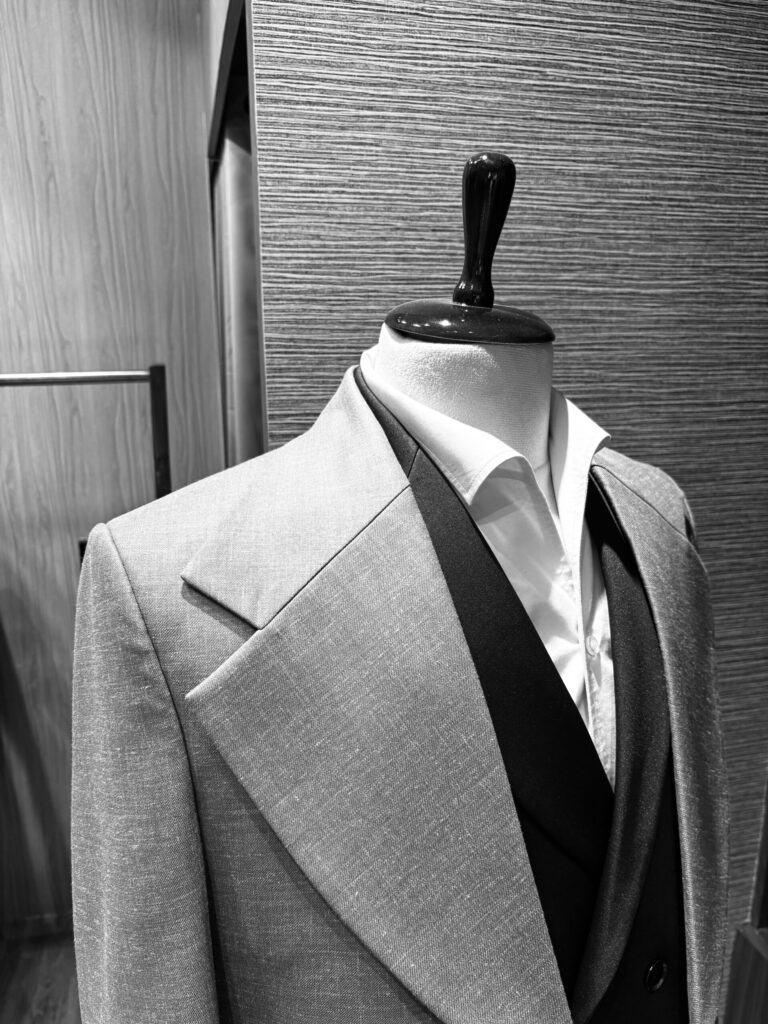
The Challenge of Wearing Suits in Summer India’s climate demands thoughtful choices in menswear, especially when it comes to formal clothing. While suits symbolize structure, authority, and sophistication, wearing them during intense heat and humidity can quickly become uncomfortable if the wrong fabric is chosen. Selecting the right material is therefore essential for maintaining both elegance and comfort. For those investing in suits in summer, the fabric determines everything from breathability and drape to wrinkle resistance and durability. Among the most discussed options are wool, linen, and cotton. Each fabric offers distinct advantages and limitations, and understanding these differences can help create a summer wardrobe that remains sharp despite rising temperatures. Understanding Summer Suit Fabrics The effectiveness of suits in summer depends largely on three key fabric characteristics: Breathability – the ability to allow air circulation Moisture management – the capacity to absorb and release perspiration Structural integrity – the ability to maintain a clean silhouette Not all fabrics perform equally in these areas, which is why tailoring houses often recommend specific materials based on climate, occasion, and personal style. Wool: The Unexpected Summer Performer Contrary to popular belief, wool is not exclusively a winter fabric. Lightweight wool varieties particularly tropical wool and high-twist wool are specifically engineered for warm climates. These fabrics offer remarkable breathability while retaining the structured drape expected from formal suits. Advantages of Wool for Suits in Summer Natural Temperature Regulation Wool fibers naturally regulate body temperature by allowing air circulation while absorbing moisture. Superior Structure Unlike softer fabrics, wool maintains a crisp silhouette, making it ideal for structured tailoring. Wrinkle Resistance Wool fibers bounce back easily, meaning suits remain polished throughout long days. Professional Appearance For business settings, wool provides the most refined and formal aesthetic. Lightweight wool suits are therefore widely considered one of the most practical options for suits in summer, particularly for professionals who require structure and durability. Linen: Maximum Breathability, Relaxed Character Linen has long been associated with warm climates due to its exceptional airflow and lightweight texture. Made from flax fibers, linen is one of the most breathable fabrics available for tailoring. Benefits of Linen Suits Excellent airflow for extremely hot conditions Lightweight and comfortable Natural, textured aesthetic However, linen comes with a defining characteristic: it wrinkles easily. While some see this as part of its charm, it can make linen less suitable for highly formal environments. Best Use Cases Linen suits work particularly well for: Summer weddings Resort destinations Outdoor events Casual formal occasions For individuals prioritizing comfort over strict formality, linen remains a compelling option for suits in summer. Cotton: Balanced Comfort And Versatility Cotton sits comfortably between wool and linen in terms of performance. It offers good breathability while maintaining moderate structure making it a versatile fabric for warm-weather tailoring. Advantages of Cotton Suits Breathable and Lightweight Cotton allows airflow while remaining comfortable for extended wear. Familiar Texture Many individuals prefer cotton because of its soft and familiar feel. Versatile Styling Cotton suits can easily transition between formal and semi-formal settings. Limitations Despite its versatility, cotton wrinkles more easily than wool and may lose its crispness over time. It also tends to absorb moisture without evaporating it as quickly as wool. Nevertheless, cotton remains a reliable choice for those exploring comfortable suits in summer without sacrificing versatility. Fabric Comparison: Wool vs Linen vs Cotton Fabric Breathability Structure Wrinkle Resistance Best For Wool Excellent High High Business and formal wear Linen Excellent Low Poor Casual and destination events Cotton Good Moderate Moderate Everyday summer suits This comparison highlights why tailoring professionals often recommend lightweight wool for formal occasions while suggesting linen or cotton for more relaxed environments. Climate Considerations In India India’s summer climate combines high temperatures with significant humidity. This makes breathability essential, but structure should not be ignored. The ideal fabric for suits in summer must balance airflow with the ability to maintain shape. For metropolitan environments such as Mumbai, Delhi or Bangalore, lightweight wool often performs best because it handles humidity more effectively while preserving a polished silhouette. The Importance of Tailoring Fabric alone does not determine comfort. Construction methods such as half-canvas or full-canvas tailoring play an equally important role. A well-constructed suit allows: Better airflow between layers Improved drape across the body Long-term durability At Shubham Shinde, summer suits are approached with this philosophy in mind, prioritizing breathable fabrics alongside precise tailoring to ensure garments remain elegant even in demanding climates. For those exploring refined suits in summer, you can view the collection here: Choosing The Right Fabric For Your Lifestyle When selecting fabrics for suits in summer, consider the context in which the suit will be worn. Corporate Professionals Lightweight wool suits provide the best balance between formality and comfort. Social Events Linen offers relaxed elegance for weddings and outdoor gatherings. Everyday Versatility Cotton suits provide an adaptable option for casual formalwear. Understanding these distinctions allows individuals to build a summer wardrobe that performs across multiple occasions. Sustainability And Longevity Quality fabrics contribute to sustainability by extending garment life. Natural fibers such as wool, linen, and cotton are biodegradable and durable when properly maintained. Investing in well-constructed suits in summer ensures that garments remain wearable across seasons rather than becoming disposable fashion. Conclusion: Choosing The Right Summer Suit Fabric Selecting the right fabric is the foundation of comfortable and elegant suits in summer. While linen and cotton offer notable advantages in breathability and versatility, lightweight wool stands out for its ability to combine airflow with structure. Ultimately, the best summer suit is one that respects both climate and craftsmanship delivering comfort without compromising refinement.
Super 110s–150s Wool Fabric for Suit: Summer Ready
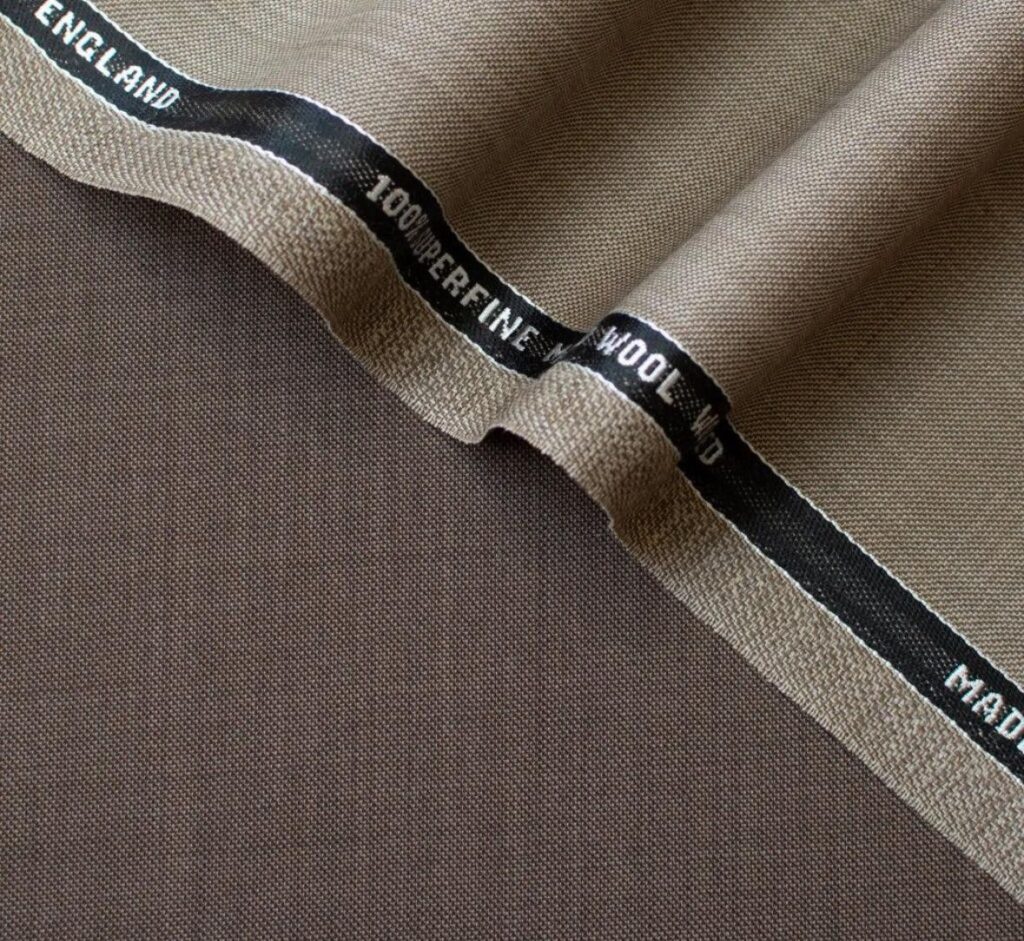
Super 110s–150s Wool For Summer Suiting Explained Summer tailoring presents a paradox. The season calls for lightness and breathability, yet true elegance demands structure, composure and precision. Many assume that warm weather necessitates abandoning wool altogether, turning instead to linens or cotton blends. However, the discerning dresser understands that the solution lies not in avoiding wool but in selecting the right wool fabric for suit – particularly within the Super 110s to Super 150s range. These fine wool grades represent the intersection of performance and refinement. They allow the wearer to remain cool without sacrificing the crisp silhouette that defines tailored clothing. In climates where humidity and heat challenge traditional suiting, lightweight wool proves itself not only viable but superior. Understanding The Super Number: A Measure Of Refinement The “Super” designation refers to the fineness of the wool fibre used to produce the fabric. Measured in microns, finer fibres create smoother yarns, resulting in lighter, softer and more breathable cloth. As the number increases, so does the fabric’s elegance and delicacy. Super 110s–120s offer resilience with a refined finish. Super 130s–140s introduce a softer hand and fluid drape. Super 150s deliver exceptional lightness and a luxurious texture. Choosing the appropriate wool fabric for suit begins with understanding how these grades affect comfort, durability and appearance. While higher counts provide greater softness, they also require more careful handling, making the selection process a balance between practicality and luxury. Why Wool Remains Ideal For Summer At first glance, wool may seem counterintuitive for warm weather. Yet its natural properties make it one of the most climate-responsive fibres available. Each strand of wool can absorb moisture vapour while allowing heat to escape creating a microclimate that keeps the body cool and dry. A well-selected wool fabric for suit offers several advantages: Temperature regulation: Wool adapts to body heat, maintaining comfort. Breathability: Air circulates freely through fine fibres and open weaves. Moisture management: The fabric absorbs perspiration without feeling damp. Wrinkle resistance: Wool maintains a composed appearance throughout the day. Structural integrity: Even lightweight wool holds a sharp silhouette. These qualities explain why fine wool is often more comfortable than synthetic blends, which can trap heat and restrict airflow. Selecting the Right Super Count for Summer Wear Super 110s–120s: Everyday Practicality This range represents the foundation of reliable summer suiting. It balances durability with comfort, making it ideal for professionals who require garments that endure frequent wear. A wool fabric for suit in this category resists abrasion and maintains its shape even during long workdays or travel. Its breathability ensures comfort while its resilience makes it suitable for regular use. Ideal for: Office wear, business travel and daily tailoring. Super 130s–140s: Refined Versatility Stepping into finer territory, these fabrics offer a noticeable improvement in softness and drape. They create a fluid silhouette that moves gracefully with the wearer while remaining breathable. A carefully chosen wool fabric for suit in this range strikes a balance between elegance and practicality, making it suitable for environments where presentation matters. Ideal for: Client meetings, formal workplaces and refined daytime events. Super 150s: Lightweight Luxury At the upper end of summer suiting, Super 150s wool provides a near-weightless feel and a silky finish. Its exceptional fineness allows for superior airflow making it comfortable even in elevated temperatures. However, this level of refinement requires mindful use. A wool fabric for suit in Super 150s is best reserved for occasions where elegance is paramount as its delicacy makes it less suited for heavy daily wear. Ideal for: Weddings, evening functions and statement tailoring. The Importance Of Weave In Summer Comfort While fibre fineness plays a crucial role, the weave of the fabric is equally important in determining how a wool fabric for suit performs in warm weather. Open constructions enhance ventilation; allowing heat to dissipate naturally. Tropical Wool Tropical wool features a porous weave that maximises airflow. It is one of the most practical choices for hot and humid climates offering breathability without compromising form. Plain Weave Lightweight and durable, plain weave fabrics maintain structure while remaining comfortable. They are particularly suitable for everyday summer suits. High-Twist Yarns High-twist wool yarns improve crease resistance and enhance breathability. The tighter twist allows the fabric to spring back into shape, preserving a polished appearance throughout the day. Colour And Construction For Warm-Weather Elegance Beyond fabric selection, colour and construction influence how comfortable a suit feels in summer. Lighter shades reflect heat while thoughtful tailoring enhances airflow. Recommended colours: Soft grey for versatile professionalism Beige and taupe for warm-weather refinement Muted blue for understated elegance Construction considerations: Half-lined or unlined jackets to improve breathability Minimal padding for a natural silhouette Lightweight canvassing to maintain structure without bulk These choices ensure that a wool fabric for suit performs optimally in both comfort and appearance. Wool vs. Linen: A Matter Of Structure Linen is often celebrated as the quintessential summer fabric, yet it comes with compromises. Its tendency to wrinkle and lose shape can create a casual appearance unsuitable for formal settings. Fine wool by contrast, maintains structure and resists creasing, making it a more versatile option. A wool fabric for suit allows the wearer to navigate professional and social environments with confidence, offering both comfort and composure. It represents a commitment to enduring style rather than seasonal improvisation.
The Ethos Of Craft Capitalism
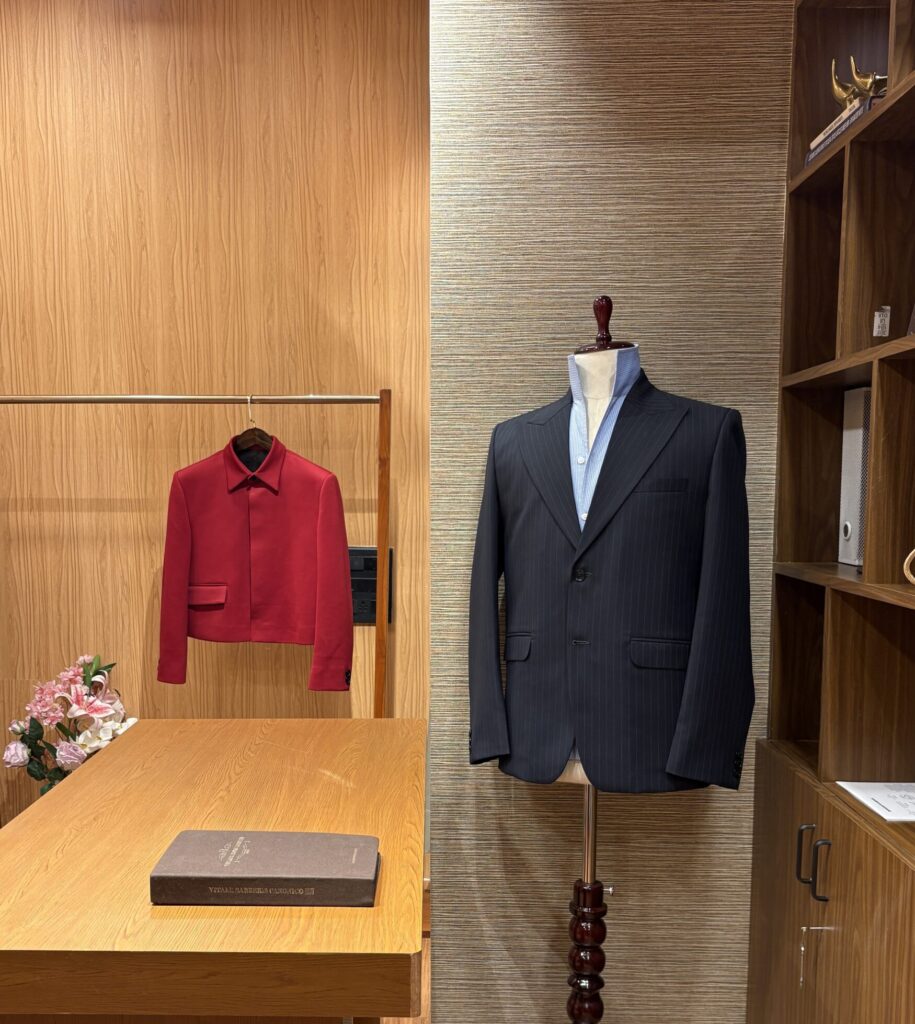
In an age where fashion is increasingly dictated by speed, scale, and immediacy, Shubham Shinde stands in deliberate opposition. Not as a reactionary gesture but as a conviction. At its core, Shubham Shinde is not merely a menswear label – it is a philosophy grounded in patience, precision and respect for craft. This philosophy is known as Craft Capitalism. Craft Capitalism is our belief that true luxury is an investment; not in excess but in skill, time and integrity. Where others optimize for volume, we choose depth. Where efficiency often replaces excellence, we preserve the intelligence of the hand, the discipline of technique and the restraint of thoughtful design. Every garment we create is a reflection of this belief. Craft Capitalism: Where Knowledge Becomes Value At Shubham Shinde, craftsmanship is not treated as a cost to be minimised; it is capital to be preserved. Knowledge refined through generations is our most valuable asset. The hours spent perfecting a cut, refining a silhouette or balancing proportions are not inefficiencies, they are the foundation of enduring value. Craft Capitalism recognises that luxury cannot be rushed. Precision demands time. Excellence demands restraint. And true refinement emerges only when human intelligence guides every decision. In a world obsessed with immediacy, Shubham Shinde chooses patience because what is built with care lasts longer, wears better and speaks louder. Respect As The Origin Of Every Garment Every creation at Shubham Shinde begins with respect. Respect for fabric, for form and for the craftsman who shapes the garment. Fabric is never a surface choice, it is the soul of the garment. Form is not decorative, it is structural. And the craftsman is not invisible—it is central to the process. Each pattern drafted, each stitch executed and each fitting refined is guided by an understanding that clothing carries intention not just function. This respect defines our process and distinguishes our work. Fabric As Foundation: A Deliberate Selection Material excellence is fundamental to the identity of Shubham Shinde. Our garments are crafted using some of the world’s most respected fabrics, selected for their performance, longevity and tactile intelligence. Our tailoring employs: We work with renowned global fabric houses, including Vitale Barberis Canonico (VBC)—a name synonymous with heritage, innovation and uncompromising quality. These associations are not symbolic; they are functional. They ensure that every garment begins with material integrity worthy of the craft that follows. The Language Of Tailoring: Bespoke And Made-to-Measure Tailoring at Shubham Shinde is architectural in nature. It is built, not assembled. Each garment is developed through either bespoke or made-to-measure processes, ensuring precision at every stage. Bespoke tailoring allows for complete individuality patterns drafted from scratch, fittings refined through multiple iterations and garments shaped entirely around the wearer. Made-to-measure offers a structured approach with calibrated adjustments, preserving both accuracy and efficiency without compromise. In both approaches, the objective remains the same: balance. Balance between comfort and structure, tradition and modernity, strength and restraint. Structured Silhouettes And Thoughtful Design The aesthetic of Shubham Shinde is defined by clarity. Structured silhouettes, clean lines, and disciplined proportions form the visual language of the brand. There is no excess, no ornamentation for the sake of attention. Design decisions are intentional. Every shoulder line, lapel width and jacket length is considered in relation to the body and the purpose it serves. The result is tailoring that communicates authority quietly—garments that command presence without demanding attention. Mastery In Suits And Bandhgala Suits remain a cornerstone of the Shubham Shinde identity. Each suit is an exercise in precision—crafted to project confidence, structure and timeless relevance. Beyond Western tailoring, the brand also holds deep expertise in the Bandhgala, interpreting it with cultural intelligence and modern refinement. This balance between global tailoring principles and Indian sartorial heritage allows Shubham Shinde to create garments that are rooted yet contemporary, ceremonial yet restrained. A House Built On Conviction Today, Shubham Shinde stands as a modern menswear house built on conviction rather than compromise. It is designed for individuals who value substance over spectacle, longevity over novelty and integrity over trend. This is not fashion designed to be consumed quickly. It is craftsmanship designed to endure—garments meant to evolve with the wearer, gaining character over time rather than losing relevance. The Enduring Future Of Luxury Craft Capitalism is not a momentary position; it is a long-term vision. It asserts that the future of luxury lies not in acceleration, but in preservation. Not in mass production but in mastery. Shubham Shinde Atelier represents a return to considered creation—where skill is honoured, time is respected, and design is restrained. In doing so, we reaffirm a simple truth: when craftsmanship leads, value follows.
Merino Wool Trousers: Benefits, How To Care & Best Outfits
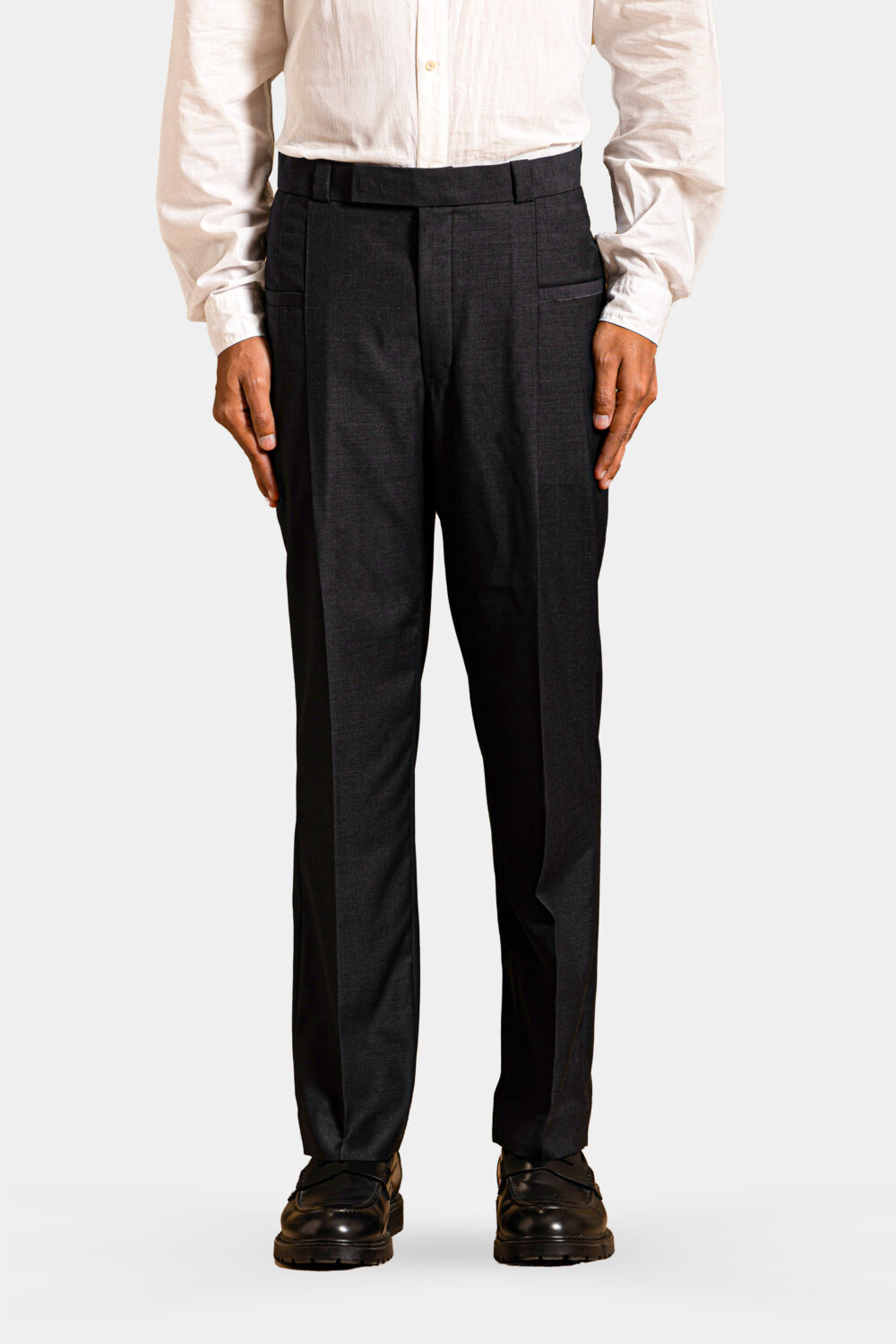
Merino Wool Trousers: Benefits, How To Care & Best Outfits Men’s formalwear has evolved far beyond stiff fabrics and uncomfortable tailoring. Today’s modern wardrobe demands clothing that looks refined, feels comfortable and performs effortlessly through long workdays, travel, and formal occasions. This is where merino wool trousers stand apart. Known for their softness, breathability, and natural performance properties, merino wool trousers are increasingly becoming a preferred choice for men who value both elegance and practicality. Unlike traditional wool or synthetic blends, merino wool adapts to your body, resists odour, and maintains its shape making it ideal for everyday formal and smart-casual wear. In this guide, we explore merino wool trousers for men, their benefits, how to care for them properly, and the best ways to style them, so you can make a confident, long-term investment in your wardrobe. What Are Merino Wool Trousers? Merino wool trousers are crafted using wool sourced from Merino sheep, a breed known for producing exceptionally fine and soft fibres. Unlike regular wool, merino fibres are much thinner, which results in a fabric that feels smooth against the skin rather than coarse or itchy. What makes merino wool particularly suitable for trousers is its ability to combine luxury with performance. It drapes beautifully, holds structure well, and adapts to varying temperatures making it ideal for formal trousers that need to look polished throughout the day. For men seeking trousers that balance comfort, durability, and sophistication, merino wool offers a noticeable upgrade over conventional fabrics. Merino Wool vs Regular Wool vs Cotton Trousers Choosing the right fabric often comes down to performance, comfort, and maintenance. Here’s how merino wool compares: This combination makes merino wool trousers especially appealing for men who want trousers that perform well from morning meetings to evening events. Key Benefits Of Merino Wool Trousers For Men Natural Temperature Regulation Merino wool keeps you warm in cooler environments and cool when temperatures rise. This makes merino wool trousers suitable for year-round wear, including long office hours and outdoor events. Breathable & Moisture-Wicking Comfort Merino fibres absorb moisture vapour and release it into the air, keeping you dry and comfortable even during extended wear. This is particularly beneficial in warmer climates or high-pressure workdays. Wrinkle Resistance for Long Days Unlike cotton or linen, merino wool trousers bounce back from creases naturally. This means fewer wrinkles after sitting for long periods or travelling. Odour Resistance & Less Washing Merino wool naturally resists odour-causing bacteria. As a result, merino wool trousers don’t need to be washed after every wear making them practical and sustainable. Soft Feel Without Itch Thanks to ultra-fine fibres, merino wool trousers feel gentle on the skin, even when worn all day. Elegant Drape for Formal Wear Merino wool falls cleanly along the leg, giving trousers a refined silhouette that enhances formal and semi-formal outfits. Who Should Invest In Merino Wool Trousers? Merino wool trousers are an excellent choice for: If you value comfort without compromising on style, merino wool trousers are worth considering. Are Merino Wool Trousers Worth The Price? At first glance, merino wool trousers may appear more expensive than cotton or blended alternatives. However, when viewed through a cost-per-wear lens, they offer excellent value. Merino wool trousers last longer, require less frequent washing, and maintain their shape and appearance over time. This reduces replacement costs and frequent dry cleaning—making them a smart long-term investment rather than a seasonal purchase. Merino Wool Trousers Care Guide (Complete) Proper care is essential to preserve the quality of merino wool trousers. Fortunately, maintaining them is simpler than most people expect. How Often Should You Wash Merino Wool Trousers? Thanks to their odour-resistant properties, merino wool trousers can be worn multiple times before washing. Overwashing can shorten their lifespan, so wash only when necessary. How to Wash Merino Wool Trousers This approach ensures the fibres remain intact and soft. How to Dry Merino Wool Trousers Heat can damage merino fibres and cause shrinkage. How to Iron or Steam Merino Wool Trousers These steps keep your trousers looking sharp without damaging the fabric. This routine ensures proper merino wool trousers care, extending both appearance and durability. How To Store Merino Wool Trousers Properly Storage plays a crucial role in maintaining fabric quality: Avoid storing merino wool trousers in damp or tightly packed spaces. How To Style Merino Wool Trousers For Men Office Styling Pair merino wool trousers with a crisp dress shirt and leather loafers or oxfords for a polished professional look. Smart Casual Styling Combine them with a fine-knit polo or lightweight sweater and suede shoes for relaxed elegance. Evening & Event Styling Add a tailored blazer and minimal accessories to elevate merino wool trousers for dinners or formal gatherings. These styling options make merino wool trousers mens wardrobes incredibly versatile. Best Colours In Merino Wool Trousers Some colours offer maximum versatility: Choosing classic shades ensures effortless pairing with existing wardrobe pieces. When Should You Choose Merino Wool Trousers Over Other Fabrics? Merino wool trousers are particularly suited for: Their adaptability makes them more reliable than cotton or synthetic trousers in most scenarios. Common Mistakes Men Make With Merino Wool Trousers Avoiding these mistakes helps preserve the fabric’s natural performance. FAQs About Merino Wool Trousers Are merino wool trousers good for summer? Yes, merino wool regulates temperature and remains breathable in warm weather. Do merino wool trousers wrinkle easily? No, merino wool naturally resists wrinkles. How long do merino wool trousers last? With proper care, they can last for several years. Can merino wool trousers be worn casually? Absolutely. They work well in both formal and smart-casual outfits. How can I tell if merino wool is high quality? High-quality merino wool feels soft, lightweight, and smooth without itching. Conclusion Merino wool trousers strike the perfect balance between luxury, comfort, and performance. Their breathability, wrinkle resistance, and elegant drape make them ideal for modern men who demand more from their clothing. With the right care and styling, merino wool trousers become a long-term wardrobe essential offering
