
Formal Shirts for Men: The Detail That Makes a Suit Look Expensive
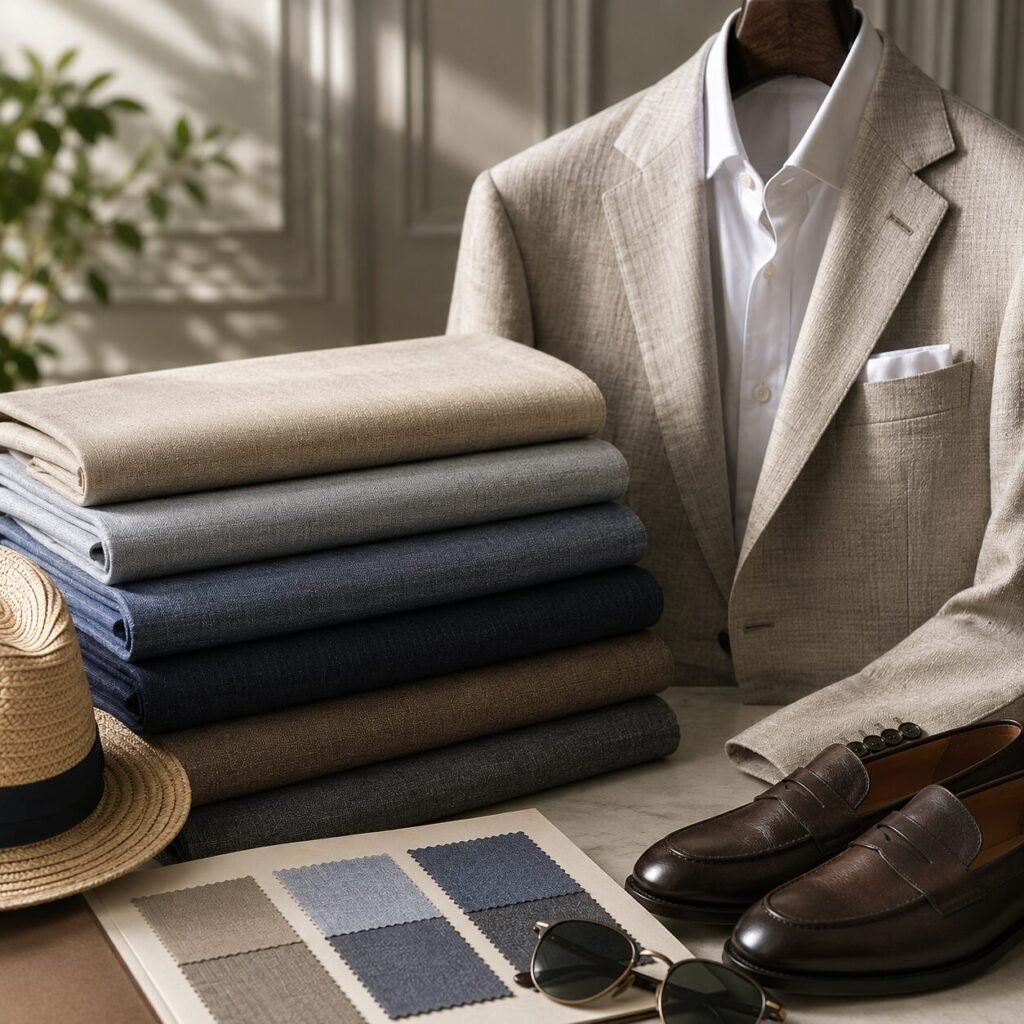
A suit gets the attention. The shirt makes it work. It sits closest to the skin, frames the face, determines how the collar and lapels interact, and provides the visual transition between the jacket and the wearer. Yet when men build a formal wardrobe, the shirt is often treated as an afterthought: white, blue, slim fit, done. That approach misses the point. The best formal shirts for men are not simply shirts that look formal. They are pieces designed with enough precision to make the entire outfit feel more considered. A collar that sits correctly can sharpen the face. A good fabric can give a jacket a cleaner fall. The right cuff can create the small glimpse of shirt that makes tailoring look intentional. Even the difference between crisp white and soft ivory can change the character of an entire suit. In refined menswear, the details are rarely decoration. They are construction. A Formal Shirt Is More Than a White Shirt White remains the most versatile colour in formal shirting for a reason. It works with navy, charcoal, black, brown and almost every traditional suit colour. But formality is not determined by colour alone. A formal shirt is defined by the relationship between fabric, collar, construction, fit and finishing. A crisp cotton shirt with a structured collar can sit naturally beneath a tailored jacket. A softer shirt with a relaxed collar may be excellent for smart-casual dressing but feel underpowered beneath structured tailoring. The difference becomes even more noticeable when the shirt is worn with a tie. The collar needs enough presence to support the knot. The front should remain clean beneath the jacket. The cuffs should appear in proportion to the sleeve. Nothing should bunch unnecessarily around the waist or shoulders. That is why the best formal shirts for men should be considered part of the complete outfit rather than as isolated garments. The Collar Is Where the Outfit Begins Look at a well-dressed man in a suit and your eyes naturally move toward his face. That makes the collar one of the most important details of the shirt. A collar frames the face and also interacts directly with the jacket’s lapel. Different collar shapes create different proportions, which is why there is no universally perfect collar. The Spread Collar The spread collar is one of the most versatile choices for formal dressing. Its wider points create space for a tie knot and complement many contemporary suit silhouettes. It can work particularly well with medium and wider lapels because the proportions feel balanced. The Semi-Spread Collar More restrained than a full spread, the semi-spread is a strong everyday formal option. It works well in professional environments and can transition easily between business and occasion dressing. The Point Collar The narrower, elongated points create a sharper visual line. It can work particularly well with slimmer tailoring and narrower ties. The important consideration is not choosing the “most fashionable” collar. It is choosing one that belongs to the proportions of the rest of the outfit. Why Collar Construction Matters Two shirts can have the same collar shape and still look completely different. The reason is construction. A structured collar can maintain a clean appearance beneath a suit, while softer constructions create a more relaxed roll. For formal dressing, collar construction becomes particularly important because it has to hold its shape around the neck while working with the jacket’s lapels. This is one of those details that may not immediately be obvious to the wearer. But it is visible in the final silhouette. A collar that collapses underneath a jacket can make the entire outfit appear less precise. A collar that maintains its shape creates a cleaner frame around the face. This is why craftsmanship matters even when the difference seems small. White Isn’t the Only Colour Worth Owning The traditional white formal shirt deserves a permanent place in a man’s wardrobe. But stopping there would make the wardrobe unnecessarily predictable. White The ultimate formal foundation. It works with almost every suit and is particularly effective for weddings, formal business occasions and evening dressing. Light Blue A softer alternative to white that remains highly formal. It works exceptionally well with navy, charcoal and grey tailoring and can make business dressing feel less severe without becoming casual. Ivory Ivory introduces warmth and can work beautifully with brown, beige, cream and certain navy tailoring. It is particularly effective when the objective is sophistication rather than strict corporate formality. Subtle Stripes Fine vertical stripes can add dimension without turning the shirt into the focal point. The key word is subtle. A formal shirt should support the tailoring around it rather than compete with the jacket. Soft Pastels Very restrained pink, lavender or muted blue can work for daytime events and contemporary formalwear when the rest of the outfit remains controlled. The colour should complement the suit, not become the reason the outfit exists. The Shirt and Suit Must Speak the Same Language One of the easiest ways to improve formal dressing is to stop thinking about the shirt and suit as separate purchases. They are a single visual composition. Consider a navy suit. A white shirt makes it classic. Light blue makes it slightly softer. Ivory makes it warmer. A fine stripe introduces pattern without disturbing the structure. Now consider charcoal tailoring. White creates strong contrast. Pale blue softens it. A subtle texture can introduce depth while maintaining formality. This becomes even more important when dealing with premium fabrics. A textured wool suit may benefit from a relatively clean shirt. A highly structured worsted suit can support a crisper formal shirt. A relaxed linen jacket generally works better with shirting that shares some of its informality. The principle is simple: Don’t make every element compete for attention. If the suit is the statement, let the shirt provide the foundation. Fabric Is Where Quality Becomes Noticeable You can see a shirt’s colour immediately. You often notice its fabric only after wearing it. And that is
Menswear Wedding Outfit: Dressing With Presence, Not Excess
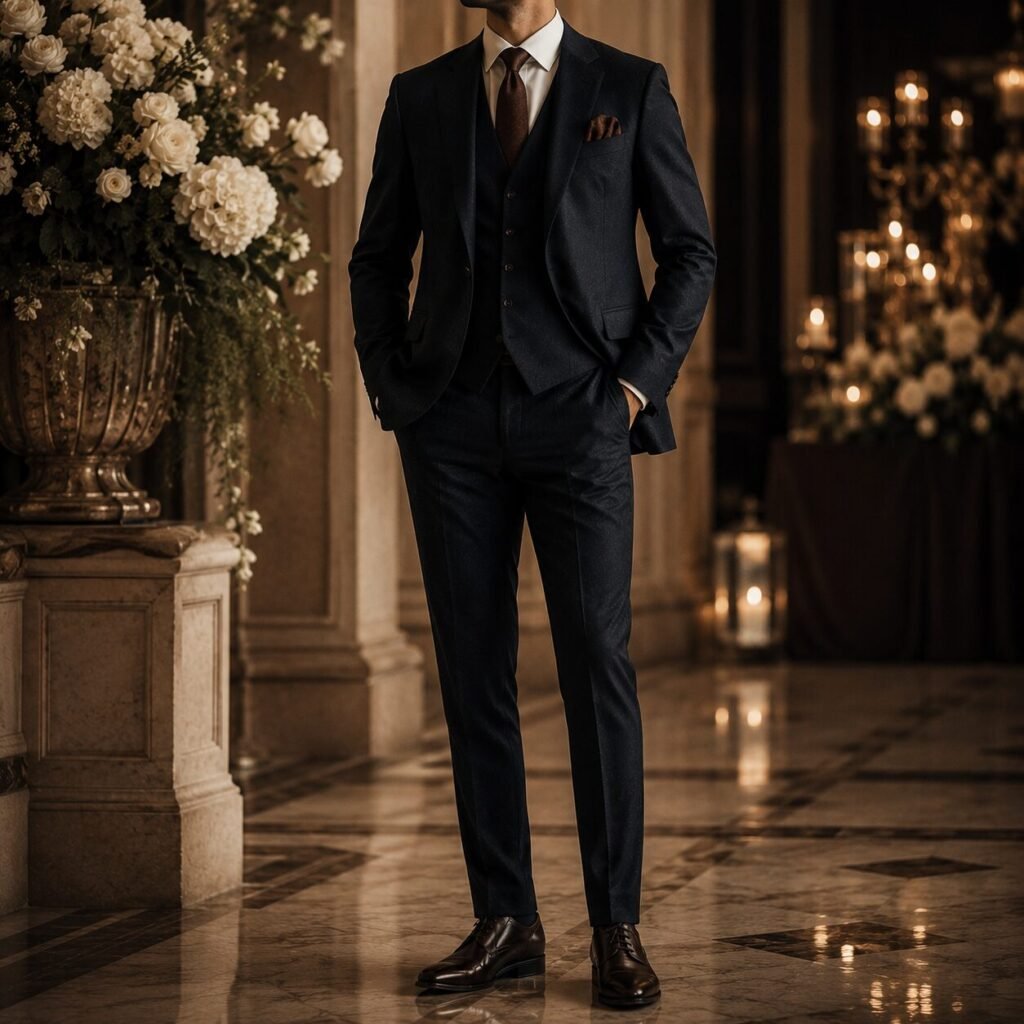
A wedding is one of the few occasions where a man’s clothes are expected to say something before he does. Not necessarily something loud. Not necessarily something extravagant. But something considered. The modern menswear wedding outfit has moved well beyond the predictable formula of a dark suit, white shirt and polished shoes. Indian weddings, in particular, have created a fascinating space where traditional clothing, European tailoring, contemporary silhouettes and luxurious fabrics can exist together. A Bandhgala can be as appropriate as a three-piece suit. A linen suit can look more sophisticated than a heavily embellished outfit when the setting calls for restraint. A double-breasted jacket can bring presence to an evening reception, while a beautifully cut navy suit can remain completely understated. The difference is rarely about how much is being worn. It is about how deliberately it is worn. The strongest wedding dressing understands the occasion, respects the setting and still leaves enough room for the man wearing it to look like himself. The Difference Between Dressing Up and Dressing Well There is an important distinction between dressing formally and dressing well. Formal clothing can be purchased. Good dressing requires judgement. A wedding provides plenty of temptation to overdo things. Rich colours, intricate embroidery, statement accessories and elaborate fabrics can all have their place, but combining too many of them can make an outfit feel designed around the clothing rather than the person. Good tailoring works differently. The shoulder sits naturally. The jacket follows the body without constricting it. The trousers have the right break. The fabric has enough depth to catch light without becoming distracting. Accessories complete the outfit rather than competing with it. This is why fit, proportion and fabric often have a greater visual impact than ornamentation. A beautifully constructed navy suit in fine wool can have more presence than an overly decorated garment simply because everything about it is in balance. That principle is particularly relevant when choosing a menswear wedding outfit for a modern Indian celebration. The Modern Indian Wedding Has Changed Menswear Indian weddings are no longer confined to one venue, one ceremony or one dress code. A wedding may begin with a daytime Haldi, move into an afternoon Mehendi, transition into an evening Sangeet and conclude with a formal reception. Destination weddings introduce another layer, with outdoor ceremonies, resort dinners and formal evening celebrations often taking place within the same weekend. This evolution has expanded men’s wardrobes. The modern Indian wedding wardrobe can include tailored Western suits, three-piece suits, double-breasted tailoring, Bandhgalas, Sherwanis, Indo-Western silhouettes, linen tailoring and velvet evening jackets. The interesting part is not choosing between Indian and Western clothing. It is understanding how each silhouette communicates differently. A groom might choose a Bandhgala for the ceremony and transition into a sharply cut tuxedo for the reception. A wedding guest might wear a lightweight suit for a daytime celebration and a darker, more structured ensemble in the evening. The possibilities are broader, but the principle remains the same: dress for the moment, not simply for the photograph. When the Suit Becomes Part of Indian Wedding Dressing The suit has earned a distinctive place in contemporary Indian weddings because it provides structure without requiring excessive decoration. A well-tailored suit can work particularly well when the wedding calls for formal sophistication rather than traditional ceremonial dress. The three-piece suit, for example, introduces additional formality through the waistcoat. A double-breasted jacket creates a stronger architectural silhouette. A dinner suit can bring restraint to an evening reception. And then there is the Bandhgala. With its closed collar and structured silhouette, the Bandhgala occupies a particularly interesting position between Indian heritage and modern tailoring. The Bandhgala’s evolution into modern formalwear explores how this distinctive silhouette has evolved while retaining its cultural identity. The appeal lies in its ability to feel unmistakably Indian without relying on excessive embellishment. When the Silhouette Says More Than the Embellishment Some wedding outfits are memorable because of their decoration. The best ones are often remembered because of their silhouette. The Two-Piece Suit The two-piece is clean, versatile and understated. It allows the fabric, cut and accessories to establish the personality of the outfit. For a wedding guest, it can be one of the most effective choices because it can be formal without appearing overly ceremonial. The Three-Piece Suit The waistcoat changes the visual balance of the outfit. It creates a stronger central line through the torso and gives the ensemble a more ceremonial character. This makes it particularly effective for grooms, close family members and formal evening celebrations. For a more detailed comparison of the two approaches, see two-piece and three-piece wedding suits. The Double-Breasted Suit The overlapping front and broader visual structure make a double-breasted suit more assertive. It works particularly well for men who appreciate classic tailoring but want something with more presence than a conventional single-breasted jacket. The Bandhgala The closed collar immediately changes the character of the outfit. Rather than using a lapel to frame the shirt and tie, the Bandhgala creates a continuous vertical line around the neck. This gives it a distinctive Indian identity while retaining the precision of structured tailoring. The Tuxedo For a black-tie reception, few garments communicate evening formality as effectively as a properly constructed tuxedo. Its appeal comes from restraint: a clean jacket, refined lapels, formal trousers and carefully selected accessories. The common thread between all of these styles is not extravagance. It is proportion. Fabric Is the Quietest Statement You Can Make If silhouette determines the architecture of a wedding outfit, fabric determines its character. The same suit in different fabrics can look like two completely different garments. Wool creates structure and refined drape. Tropical wool introduces greater breathability for warmer conditions. Linen has a relaxed texture and natural movement. Silk blends can introduce subtle luminosity, while velvet brings depth and richness to evening dressing. For Indian weddings, fabric selection becomes particularly important because climate can change dramatically between venues and seasons. Lightweight wool can be an especially
Types of Suits for Men: A Complete Guide to Modern Suit Styles
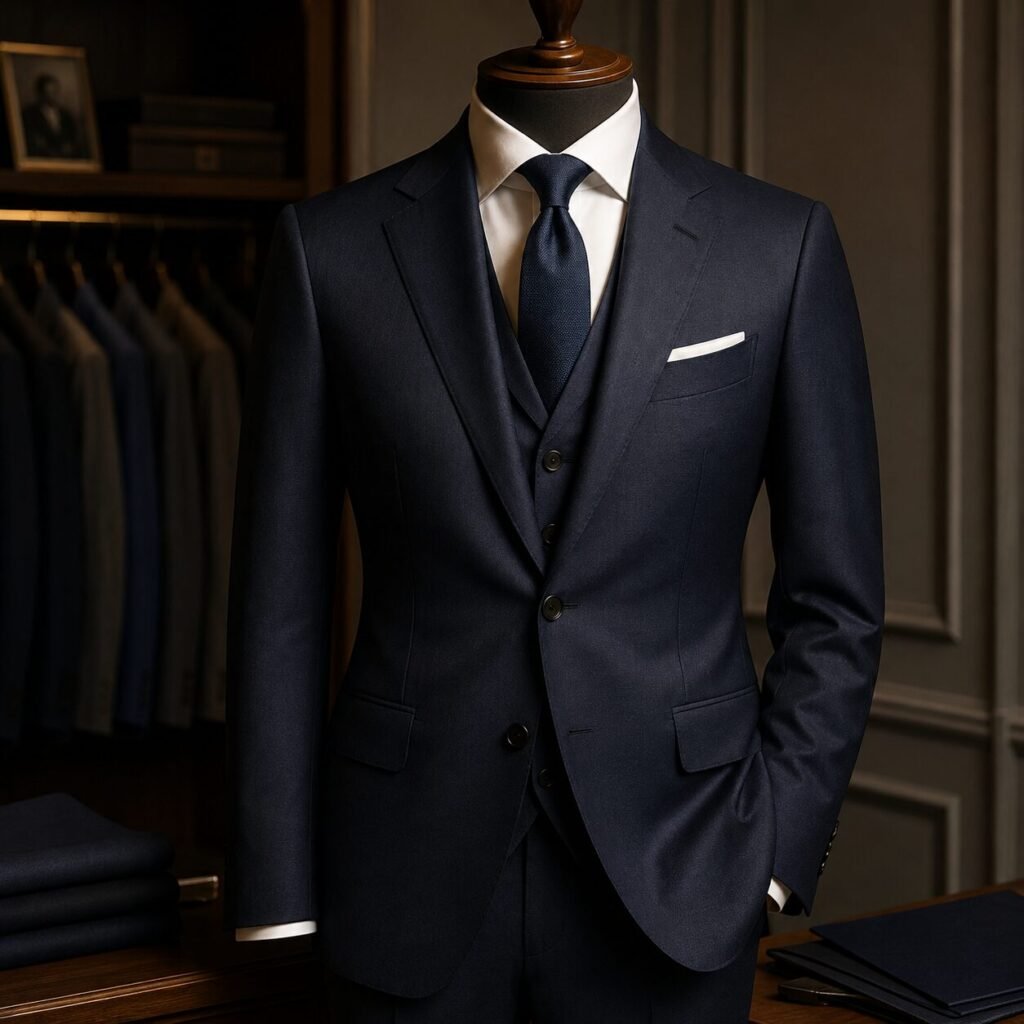
A suit is rarely just a suit. The difference between a two-piece worn to a business meeting, a three-piece chosen for a wedding, a double-breasted jacket for an evening occasion, and a Bandhgala for a formal Indian celebration goes far beyond the number of buttons or layers. Each has its own purpose, proportion, level of formality, and visual language. Understanding the types of suits for men makes it easier to build a wardrobe that works across occasions rather than accumulating suits that all serve the same purpose. The most useful way to approach suit styles is not simply by naming them, but by understanding when they work, how they should fit, what fabrics suit them, and how they can be made relevant to modern Indian menswear. This guide breaks down the major suit styles worth knowing, from foundational two-piece tailoring to three-piece suits, double-breasted styles, tuxedos, Bandhgalas, and seasonal tailoring. What Defines a Suit Style? Before looking at individual styles, it helps to understand what actually changes from one suit to another. A suit can vary according to its number of pieces, jacket construction, button configuration, lapel shape, silhouette, fabric, and intended formality. For example, a two-piece and three-piece suit differ primarily because of the waistcoat. A single-breasted and double-breasted suit differ in their front construction and button arrangement. A tuxedo differs not simply because it is black, but because of details such as satin-faced lapels and trousers designed for black-tie dressing. This distinction matters because the terms are often mixed together. A suit can simultaneously be a three-piece, double-breasted, wool suit with peak lapels. So, rather than thinking of suit styles as completely separate categories, think of them as different elements that can be combined to create a particular look. 1. The Two-Piece Suit The two-piece suit is the foundation of most men’s tailoring wardrobes. It consists of a jacket and matching trousers, without a waistcoat. Its simplicity is precisely what makes it so versatile. A well-cut navy or charcoal two-piece can move from the office to a formal dinner with relatively minor changes in the shirt, tie, and footwear. When to Wear a Two-Piece Suit A two-piece works particularly well for: For a first serious suit, the two-piece is difficult to beat because it offers maximum versatility. The key is choosing a fabric and colour that do not restrict its use. A navy wool suit, for example, can be dressed conservatively for business or styled more expressively for an evening occasion. For men building a formal wardrobe, Shubham Shinde’s suit collection offers a useful starting point for exploring structured tailoring and different silhouettes. 2. The Three-Piece Suit A three-piece suit adds a waistcoat to the traditional jacket-and-trouser combination. That additional layer changes the character of the entire outfit. The waistcoat creates a continuous visual line through the torso and gives the wearer a more formal, composed appearance. It also provides an advantage at events where the jacket may occasionally be removed—the outfit still retains much of its intended structure. When Should You Wear a Three-Piece Suit? Three-piece suits are particularly effective for: Fabric and colour matter enormously here. A dark wool three-piece can appear distinctly formal, while a lighter fabric can create a more relaxed wedding look. If you’re deciding between the two, our detailed comparison of 2-piece and 3-piece wedding suits can help you understand which works better for different wedding settings. 3. The Single-Breasted Suit Among the different types of suits for men, the single-breasted suit is arguably the most versatile. It features one column of buttons and a relatively clean front. Depending on the button stance, lapel width, shoulder construction, and cut, it can range from relaxed to highly formal. The most common configurations include two-button and three-button jackets, with the two-button style remaining particularly adaptable to contemporary wardrobes. Why Single-Breasted Suits Remain Essential Their versatility makes them suitable for almost every man’s wardrobe. A well-tailored single-breasted suit can work for: The important consideration is not simply the number of buttons but the overall proportion of the jacket. A narrow lapel, heavily suppressed waist, and short jacket create a very different impression from a broader lapel, natural shoulder, and longer silhouette. 4. The Double-Breasted Suit A double-breasted suit has overlapping front panels and two parallel columns of buttons. It creates a stronger silhouette than a conventional single-breasted jacket and has historically been associated with confident, formal dressing. Modern double-breasted tailoring, however, does not have to look old-fashioned. Contemporary proportions, cleaner shoulders, and carefully balanced button placement can make the style remarkably sophisticated. When to Wear a Double-Breasted Suit Consider one for: The double-breasted jacket works particularly well when the wearer embraces its structure rather than trying to make it look like a single-breasted suit. The lapels, button stance, and jacket length need to work together. Poor proportions can make the garment look bulky, while precise tailoring gives it authority. 5. The Tuxedo A tuxedo occupies a different category from an ordinary formal suit. Designed for black-tie occasions, the classic tuxedo is distinguished by details such as satin-faced lapels, matching satin detailing on the trousers, and formal evening accessories. The traditional combination includes: A tuxedo is therefore not simply a “fancier black suit.” Its purpose is specifically tied to evening formalwear and black-tie dress codes. Using a standard business suit in place of a tuxedo can make an outfit appear underdressed, particularly at events where black tie is explicitly requested. For a detailed explanation of how formal dress codes differ, authoritative menswear guides such as are useful supplementary references. 6. The Bandhgala Suit Few of the types of suits for men carry as much cultural character as the Bandhgala. Recognised by its closed or stand collar and structured front, the Bandhgala occupies a distinctive position in Indian formalwear. It combines the discipline of tailoring with a silhouette deeply associated with Indian sartorial heritage. It is particularly effective for: The beauty of the modern Bandhgala lies in its restraint. Rather than relying on heavy ornamentation, a
Bandhgala Jacket for Men: Inside the Construction of India’s Most Structured Jacket
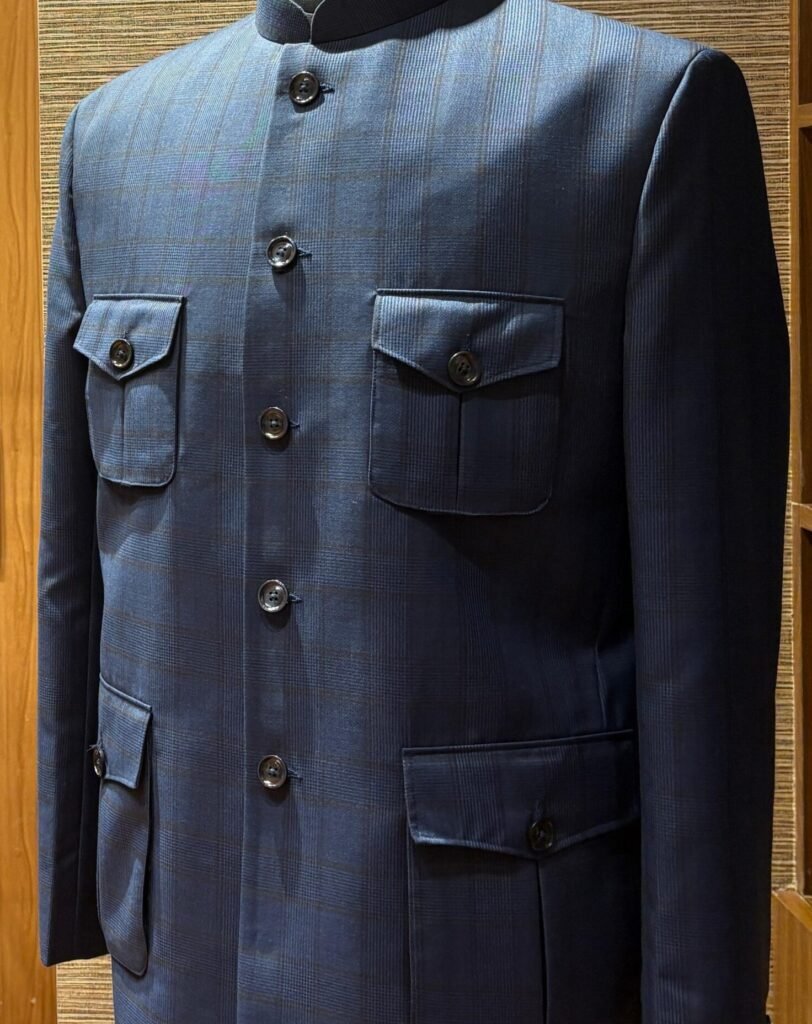
Walk into any room where Indian men are dressed for a serious occasion and you will know a Bandhgala when you see one. There is nothing else quite like it – the closed collar buttoned to the throat, the clean vertical button line, the structured silhouette that carries its own formality without requiring a tie, a lapel, or any borrowed Western context to complete it. It simply stands on its own. What most men do not know is what is happening inside that jacket to make it look and hold the way it does. A bandhgala jacket for men is one of the most technically demanding garments in Indian tailoring. Its defining feature the stand collar requires a precision of construction that a Western jacket’s open lapel does not. Its silhouette depends on an internal structure that is built by hand, layer by layer, before the outer fabric is ever touched. And the difference between a Bandhgala that looks composed from the first hour to the last and one that begins to lose its shape by the evening is almost entirely in how that internal construction was done. This is an inside account of how a Bandhgala jacket is made the materials, the sequence, the hand-work, and the construction decisions that separate a jacket built to last from one that merely looks the part on the hanger. Quick Answer: What Is a Bandhgala Jacket for Men? A Bandhgala jacket for men is a structured formal jacket of Indian origin, defined by a high stand collar – bandh gala translates literally to “closed neck” that buttons completely to the throat, a vertical button placket from collar to hem, and a fitted, suppressed-waist silhouette. It is also known as a Jodhpuri jacket when paired with matching trousers as a complete suit. Unlike a Western jacket, it requires no tie, no dress shirt collar, and no lapel the collar and front placket together create a complete, self-contained formal identity. It is the most structurally demanding jacket in Indian tailoring and, when made correctly, one of the most enduring. Where the Bandhgala Comes From: A Construction History The Bandhgala’s origins sit at the precise intersection of two tailoring traditions. <cite index=”6-1″>It blends the structure of a Western suit jacket with the rich heritage of Indian attire</cite> an inheritance from the period when Indian royal courts absorbed British military tailoring conventions and transformed them into something entirely their own. The result was a jacket that kept the structured chest and suppressed waist of British military dress but replaced the open lapel and collar with India’s own closed-neck tradition. The Jodhpur courts of Rajasthan are most frequently credited with its formal codification hence the alternative name, Jodhpuri suit though similar closed-collar structured jackets existed across Mughal and Maratha court dress in earlier centuries. What makes this history relevant to construction is that the Bandhgala has always been a jacket built for authority and ceremony not for casual adaptation or fast production. <cite index=”6-1″>Its defining feature, the bandh gala, gives the garment its clean lines and stately appearance</cite> and those clean lines depend entirely on the precision of what is built inside. The Anatomy of a Bandhgala: What Is Actually Inside Before discussing the construction sequence, it helps to understand what a properly made Bandhgala jacket actually consists of because this is where most mass-produced and ready-to-wear versions cut corners, and where those corners become visible within the first season of wear. The outer fabric is what you see – the wool, silk blend, velvet, or suiting fabric that gives the jacket its colour and surface character. The canvas interlining is the structural foundation of the jacket – a layer of woven horsehair and cotton canvas stitched to the inside of the front panels that creates the chest shape, holds the button line upright, and gives the jacket its ability to mould to the body over time with wear. In a fused jacket the construction method used in fast production – this layer is replaced with a heat-bonded synthetic interfacing that is cheaper and faster but bubbles, delaminates, and loses its structure with dry cleaning and wear. A properly made Bandhgala uses full canvas or half canvas construction never fused. The collar interlining is specific to the Bandhgala and has no equivalent in Western jacket construction. The stand collar requires its own internal structure – a shaped, stiffened interlining that holds the collar upright, flush against the neck, and completely even in height around the entire circumference. This is the most technically demanding single component in the jacket, and the one that reveals the quality of construction most immediately when it fails. The lining covers the internal construction and allows the jacket to slide on and off easily. In a bespoke Bandhgala, the lining is cut with ease allowances that move with the body rather than pulling against it. The padding and shoulder construction shapes the shoulder line – the canvas roll, the shoulder pad if used, and the sleeve head wadding that fills the top of the sleeve and creates the smooth shoulder-to-sleeve transition visible from the outside. The Construction Sequence: How a Bespoke Bandhgala Is Built Stage 1: Measurement and Pattern Drafting A bespoke Bandhgala begins not with fabric but with measurements and more measurements than a Western jacket requires, because the stand collar adds a critical dimension that an open lapel does not: the neck circumference, the collar height preference, the angle of the neck from the shoulder, and the precise point at which the collar meets the front button placket must all be calculated and drafted into the pattern before cutting. The front button placket of a Bandhgala is a straight, unbroken vertical line from throat to hem. Any deviation in the cut any pull, any curve, any asymmetry is immediately visible because there is no lapel to soften or conceal it. The pattern must be drafted with a precision that leaves no margin for the kind of small errors that disappear
How to Buy a Suit: A Complete Guide to Choosing the Perfect Suit

Introduction Buying a suit is unlike purchasing any other piece of clothing. A well-made suit becomes part of your identity, accompanying you through life’s most significant moments from career milestones and business meetings to weddings, celebrations, and formal occasions. The right suit enhances your confidence, reflects your personality, and leaves a lasting impression long after the event has ended. Yet, despite its importance, many men approach suit shopping with a single question in mind: Which one looks good? While appearance certainly matters, a truly exceptional suit is defined by much more than its colour or style. Fabric, construction, fit, craftsmanship, and purpose all contribute to how a suit looks, feels, and performs over time. One of the most common mistakes is buying a suit without considering where and how often it will be worn. Another is prioritising brand names over tailoring. A perfectly fitted suit in a premium fabric will almost always outperform an expensive designer suit that doesn’t fit correctly. This guide explains how to buy a suit by focusing on the factors that genuinely matter. Whether you’re purchasing your first suit or adding another to an existing wardrobe, understanding these fundamentals will help you make an investment that remains relevant for years rather than seasons. Start with the Occasion Before selecting fabrics, colours, or lapels, ask yourself one simple question: Why are you buying the suit? The answer influences every decision that follows. A suit for daily office wear demands different qualities than one intended for a wedding. Likewise, a destination ceremony in summer requires fabrics that perform differently from those chosen for an evening reception in winter. Business and Professional Wear For professionals, versatility should be the priority. Navy and charcoal remain the most dependable choices because they transition effortlessly between client meetings, presentations, networking events, and formal dinners. A business suit should communicate professionalism without drawing unnecessary attention. Classic colours, refined patterns, and premium wool fabrics achieve exactly that. Weddings Wedding attire offers greater flexibility. The season, venue, dress code, and your role in the celebration all influence the ideal choice. A groom attending a traditional ceremony may prefer a structured Bandhgala or a luxurious three-piece ensemble, while guests often benefit from lighter fabrics and more understated styling. If you’re selecting attire for your wedding day, our guide to choosing the perfect wedding suit explores every aspect of finding a suit that complements both the occasion and your personal style. Cocktail Parties and Evening Events Cocktail attire allows slightly more personality while remaining elegant. Rich navy, deep green, burgundy, or textured fabrics introduce character without compromising sophistication. Summer and Destination Events Outdoor ceremonies and warm climates require breathable fabrics capable of maintaining structure despite higher temperatures. Lightweight wool, tropical wool, and linen blends provide comfort while preserving the sharp silhouette expected from quality tailoring. Buying a suit becomes significantly easier once its intended purpose is clearly defined. Understand the Difference Between Ready-Made, Made-to-Measure and Bespoke Not every suit is created the same way. Understanding the differences between ready-made, made-to-measure, and bespoke tailoring helps explain why two visually similar suits can feel entirely different when worn. Ready-Made Suits Ready-made suits are manufactured using standard sizing intended to fit as many body types as possible. They offer convenience and immediate availability but inevitably involve compromise. Most wearers require alterations to improve sleeve length, trouser break, or waist suppression. While suitable for occasional wear, ready-made garments rarely accommodate individual posture, shoulder balance, or body proportions with complete accuracy. Made-to-Measure Suits Made-to-measure tailoring begins with an existing pattern that is modified using your measurements. This approach provides: For many professionals, made-to-measure represents an excellent balance between customisation and practicality. Bespoke Tailoring Bespoke remains the highest standard of tailoring. Rather than adapting an existing pattern, a completely new pattern is drafted specifically for the individual. Every detail—from shoulder angle and chest balance to sleeve pitch and posture—is considered before a single piece of fabric is cut. The result is a garment that reflects the wearer’s physique, movement, and personal preferences rather than forcing the wearer to adapt to the garment. At Shubham Shinde Atelier, tailoring begins with understanding the individual rather than simply recording measurements. Lifestyle, occasion, fabric preference, and desired silhouette all contribute to creating garments that remain relevant for years rather than following short-lived trends. For those exploring premium tailoring, you can browse our formal suit collection to understand how timeless design and quality craftsmanship come together in modern menswear. Choosing the Right Fabric Fabric determines far more than appearance. It influences breathability, comfort, durability, wrinkle resistance, drape, and even how the suit ages over time. Selecting the appropriate cloth should always depend on climate, frequency of wear, and the intended occasion. Wool: The Benchmark for Tailoring Premium wool continues to set the standard for luxury tailoring. It naturally regulates temperature, resists wrinkles, drapes beautifully, and performs exceptionally across different seasons. Whether worn daily or reserved for formal occasions, wool remains one of the most versatile investments a gentleman can make. For readers interested in understanding wool grades, fibre quality, and why finer wools command greater value, our guide to wool fabrics provides a comprehensive explanation. Tropical Wool Many assume wool is suitable only for winter, but tropical wool proves otherwise. Its open weave improves airflow while retaining the clean structure expected from premium tailoring. This makes tropical wool an excellent choice for professionals and wedding guests attending events during warmer months. If you’re considering lightweight formalwear, our guide to tropical wool tailoring explains why it has become one of the most practical fabrics for modern menswear. Linen Linen offers unmatched breathability and relaxed elegance. Its characteristic texture and natural creasing make it particularly suited to summer weddings, destination celebrations, and resort settings. When tailored correctly, linen combines effortless comfort with understated sophistication. For a deeper understanding of seasonal dressing, continue to our complete guide to linen tailoring, where fabric selection, styling, and maintenance are explored in detail. Wool-Silk Blends For men seeking understated luxury, wool blended with
How To Store Wool Jacket: The Complete Guide To Protecting Your Investment
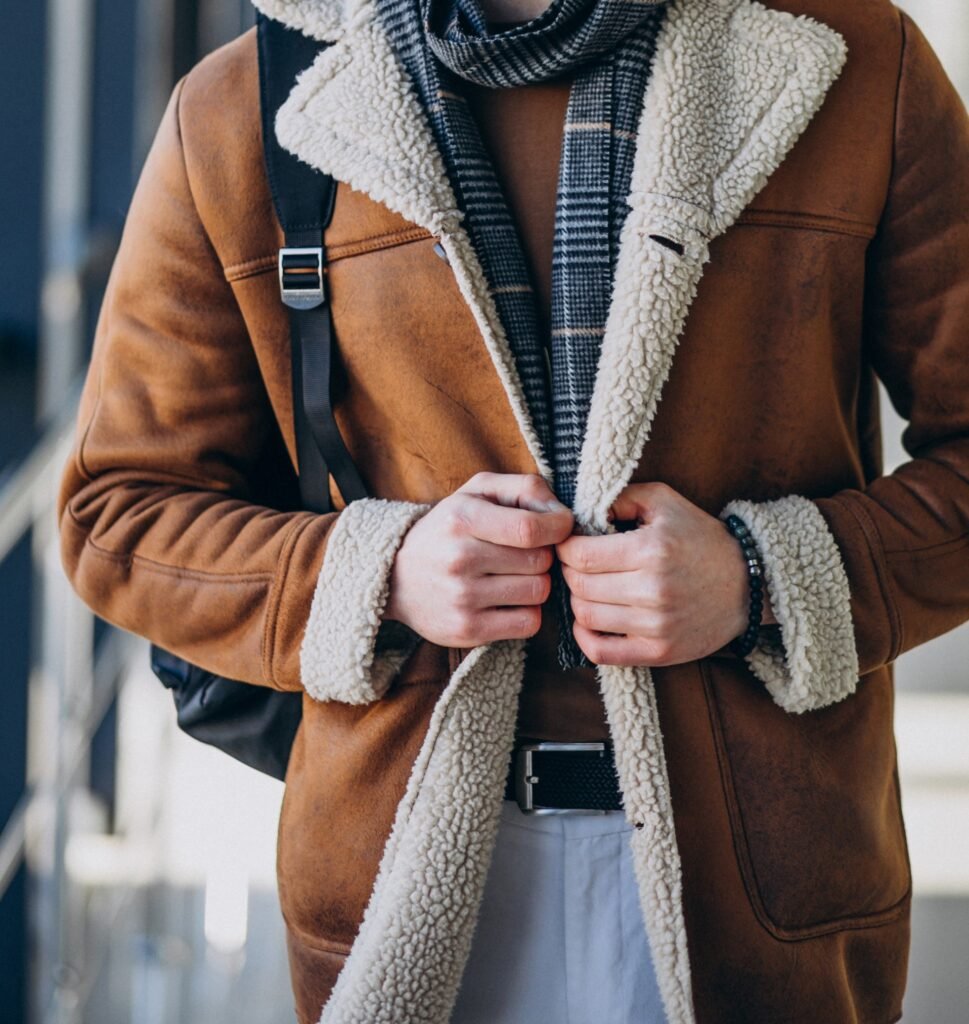
Introduction A premium wool jacket is more than another garment hanging in your wardrobe. It is the result of exceptional craftsmanship, carefully selected natural fibres, and precise tailoring. Whether it is a business blazer, a structured sports coat, or part of a bespoke suit, a well-made wool jacket is designed to last for years provided it receives the care it deserves. Yet, many people unknowingly shorten the lifespan of their jackets through improper storage. Thin wire hangers distort the shoulders, plastic garment covers trap moisture, overcrowded wardrobes compress the fabric, and excessive dry cleaning weakens natural fibres. These small habits often cause more damage than years of regular wear. Unlike synthetic fabrics, wool is a living natural fibre. It breathes, absorbs and releases moisture, and naturally resists wrinkles. These characteristics make wool one of the finest materials for tailoring, but they also mean that proper storage is essential to preserve its structure, texture, and longevity. Understanding how to store wool jacket correctly is not simply about keeping it clean. It is about protecting its shape, maintaining the integrity of the fabric, and ensuring that every time you wear it, it looks as refined as the day it was tailored. Whether you own one cherished blazer or an entire wardrobe of formal jackets, following the right storage practices will extend the life of your garments and protect the investment you have made in quality menswear. Why Proper Storage Matters Many people assume that once a jacket is hung inside a wardrobe, the job is done. In reality, storage plays a significant role in determining how a wool jacket ages. Every time a jacket is worn, its fibres respond to body heat, moisture, and movement. Shoulders support weight, sleeves crease naturally, and the fabric absorbs small amounts of humidity from the environment. Wool has the remarkable ability to recover from much of this stress, but only when given the right conditions. Poor storage accelerates wear in several ways: By comparison, thoughtful storage allows wool to recover naturally between wears. The fabric relaxes, wrinkles soften, and the jacket retains the balanced silhouette that skilled tailoring was designed to achieve. For premium garments, storage should be viewed as an extension of craftsmanship rather than an afterthought. Brush Your Wool Jacket Before Putting It Away One of the simplest yet most overlooked maintenance habits is brushing your jacket after wearing it. Throughout the day, wool attracts dust, pollen, airborne particles, and microscopic dirt. Although these contaminants may not be immediately visible, they gradually settle into the fibres, affecting both appearance and longevity. Using a soft natural-bristle clothing brush removes surface debris before it works deeper into the fabric. Gentle downward strokes are sufficient to lift dust without damaging the weave. Brushing also helps restore the fabric’s natural texture, particularly on premium wools where the finish contributes significantly to the garment’s appearance. Making this a routine after every few wears dramatically reduces the need for frequent dry cleaning while keeping your jacket looking fresh. Choose The Right Hanger Perhaps no accessory is more important for jacket storage than the hanger itself. Thin plastic or wire hangers concentrate the weight of the garment onto a narrow area, causing shoulder distortion over time. Once the structure begins to collapse, restoring the original silhouette becomes difficult. Instead, choose wide wooden hangers that closely match the natural width of your shoulders. They provide even support across the garment and preserve the jacket’s intended shape. Quality hangers also maintain: This is particularly important for structured jackets made with full-canvas or half-canvas construction, where preserving the internal architecture is essential. A premium wool jacket deserves more than the same hanger used for lightweight shirts. Never Store Wool In Plastic Covers It is common to receive a suit or jacket inside a plastic cover after dry cleaning. Many people assume this is the safest place to keep it. In reality, plastic is one of the worst long-term storage options for wool. Plastic traps humidity around the garment and prevents natural airflow. Over time this creates an environment where moisture accumulates, increasing the risk of mildew, unpleasant odours, and fibre deterioration. Natural fibres need to breathe. For long-term storage, use breathable cotton garment bags instead. These protect the jacket from dust while allowing sufficient air circulation to keep the fabric healthy. Breathable storage is especially important in humid climates, where temperature fluctuations can introduce additional moisture into wardrobes. Should You Fold Or Hang A Wool Jacket? For everyday storage, hanging remains the preferred option. A properly supported jacket naturally relaxes under its own weight, helping minor wrinkles disappear while preserving the intended silhouette. Folding should generally be reserved for travel, where luggage limitations make hanging impossible. If folding is necessary: Upon arrival, remove the jacket immediately and hang it in a well-ventilated space. Many travel wrinkles disappear naturally within several hours, while remaining creases can usually be removed using gentle steam. Proper handling during travel ensures that a wool jacket continues to look refined regardless of the destination. Protect Your Jacket From Moths Naturally One of the greatest threats to wool garments is not everyday wear it is improper storage that attracts moths. Contrary to popular belief, moths do not consume clean wool itself. They are attracted to natural fibres carrying traces of perspiration, food particles, skin oils, or dust. This makes regular cleaning before seasonal storage particularly important. Natural protection methods include: These solutions discourage moth activity without exposing garments to harsh chemicals that may affect delicate natural fibres. Regular wardrobe inspections also help identify problems before significant damage occurs. Humidity And Temperature Matter More Than You Think The environment in which you store your jacket has a direct impact on its longevity. Wool is a hygroscopic fibre, meaning it naturally absorbs and releases moisture from the surrounding air. While this property makes wool exceptionally comfortable to wear, it also means that poor storage conditions can gradually affect its performance. A wardrobe that is damp, poorly ventilated, or exposed to fluctuating temperatures
The Quiet Authority Of A Perfect Shirt: Inside The World Of Canclini & Fredalia Bespoke Fabrics
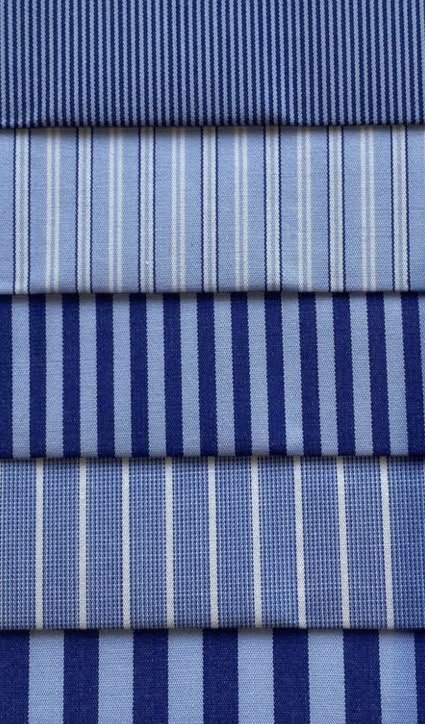
There is a particular kind of confidence that comes from wearing the right shirt not from the cut alone, not from the colour, but from the way the fabric settles against you. It doesn’t demand attention. It simply makes everything else look better. That quality isn’t accidental. It is woven in. In the world of luxury bespoke shirts for men, the conversation almost always begins with the fabric, because the fabric decides everything else: how the shirt drapes from the shoulder, how it breathes through a long day, how it survives a decade of wearing without losing its character. Two names define that conversation at Shubham Shinde Atelier: Canclini and Fredalia. One has been weaving in the shadow of the Italian Alps since 1925. The other has quietly become the benchmark for premium Supima cotton and linen shirting in the bespoke trade. Both represent the same conviction that a shirt should be made from something worth making it from. This guide is for the man who wants to understand what he is wearing, not just what it costs. It covers what separates exceptional shirting fabric from acceptable fabric, what Canclini and Fredalia each bring to the cloth, and what a bespoke shirt built from either should feel like from the first wear to the hundredth. Quick Answer: What Makes a Luxury Bespoke Shirt Fabric Exceptional? An exceptional luxury bespoke shirt fabric is defined by three things working together: the quality of the raw fibre – long-staple Egyptian cotton, Supima cotton or fine European linen – the precision of the weave, and the finishing treatments applied after weaving that determine softness, crease recovery, and longevity. Canclini delivers on all three through nearly a century of Italian mill expertise. Fredalia delivers through advanced fabric technology applied to premium natural fibres, with finishes like liquid ammonia treatment and easy-iron technology that make bespoke shirts genuinely easier to live in. Together, they represent the two ends of what premium shirting can be heritage-driven Italian elegance and performance-led Supima precision. Why the Fibre Beneath the Shirt Decides Everything Before a single thread is woven, the ceiling of what a shirt can be is set by the fibre it starts with. This is the part of shirt fabric most buyers never see and the part that separates a fabric that softens gracefully over years from one that pills, thins, and loses its colour within a season. Egyptian cotton has been the benchmark of fine shirting for centuries. Its significance lies in staple length – the length of the individual cotton fibres before spinning. Long-staple Egyptian cotton, particularly rare varieties grown in the Nile Delta, produces fibres long enough to be spun into finer, stronger yarns that feel smoother against the skin, reflect light with a natural lustre, and resist pilling because fewer fibre ends protrude from the fabric surface. The result is a shirt that feels categorically different from one made with shorter-staple cotton – smoother to the touch, more luminous, and more durable under repeated wear. Supima cotton – a trademarked variety of Pima cotton grown in the United States under strict quality controls is equally long-staple and equally premium. With individual fibre lengths of 38mm or longer compared to the 25 – 28mm of standard upland cotton, Supima produces yarns of exceptional softness and strength. Fabrics woven from Supima cotton are notably soft from the first wear, improve with washing rather than degrading, and hold colour exceptionally well through repeated laundering. Fredalia’s use of 100% Supima cotton as the foundation for their shirting collections is a deliberate choice – a specific claim about the quality floor their fabrics are built from. Fine European linen behaves differently from cotton in every way that matters for warm climates. It absorbs moisture and releases it faster than any other natural fibre, it becomes softer and more refined with each wash, and it carries a natural texture that reads as effortlessly elegant in a way no synthetic can replicate. Fredalia’s Breeze collection, built from pure linen, captures exactly these properties – lightweight, breathable, and structured enough for the crisp collar and placket a bespoke shirt demands. Canclini: A Century of Italian Shirting From Como’s Silk Country The story of Canclini began over 80 years ago, founded in 1925 by Giuseppe Canclini as part of the silk industry in the Como area of northern Lombardy. Three generations later, it is still managed by the Canclini family from the same territory where it began. That continuity matters. In an industry increasingly driven by scale and speed, a family-owned mill entering its second century of production brings something that cannot be replicated: an accumulated sensibility about what great shirting fabric should feel like, built over decades of working with the same fibres, the same looms and the same exacting standards. Canclini fabrics are made exclusively from compact single yarns and long-staple twisted yarns in pure Egyptian cotton and linen, which have undergone stringent tests from the harvesting of the raw material onward. The cotton is chosen specifically for its cleanness, gloss, and natural sheen with the rare very long staple Giza 45 cotton serving as a reference point for raw material quality. Giza 45 is among the finest cottons grown anywhere in the world, and Canclini’s anchoring of their quality benchmark to this cotton tells you precisely where in the fabric hierarchy they have placed themselves. Canclini has produced fabrics for houses including Zegna, Giorgio Armani, Prada, and Dolce & Gabbana. For a bespoke shirt client, this is meaningful context – confirmation that the fabric on the atelier’s cutting table has already met the most demanding quality requirements in the fashion world before it reaches you. What distinguishes Canclini in the bespoke shirting space specifically is their range and their willingness to experiment. Canclini consistently produces distinctive designs across both formal and casual registers, and was one of the first mills to offer a significant part of their shirting collection as cut lengths to bespoke makers which means the range
Suits Every Man Should Own: Building A Timeless Wardrobe That Never Goes Out Of Style
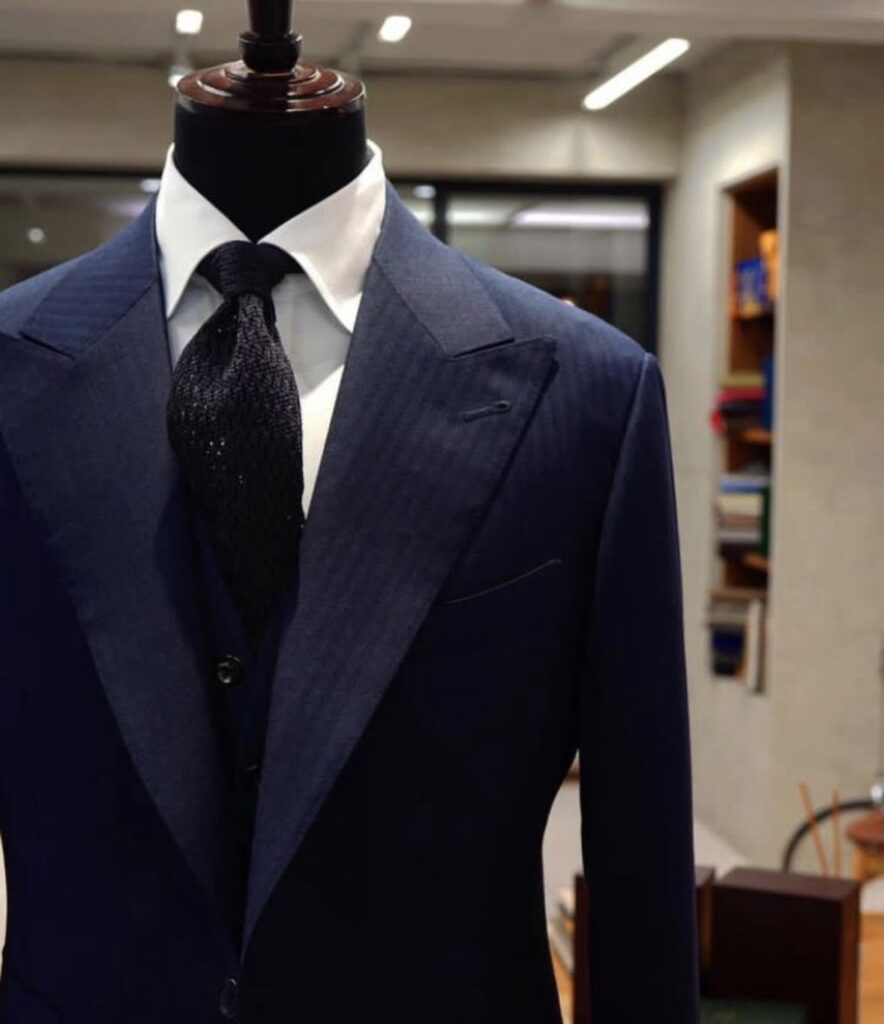
Most men buy suits reactively – a job interview comes up, a wedding invitation arrives, and suddenly there’s a frantic search for something appropriate. The result is a wardrobe full of near-misses: a navy suit that’s slightly too casual for formal occasions, a black suit that’s too severe for anything short of a funeral, and a gap where a versatile everyday suit should be. Building a suit wardrobe the right way is about sequence. The suits every man should own aren’t about owning as many as possible, they’re about owning the right ones in the right order, so that each new addition multiplies what you can do with what you already have. This guide lays that sequence out clearly, from the single most important suit to own first, through to the pieces that round out a complete wardrobe. Quick Answer: The Essential Suits Every Man Should Own In order of priority: a navy suit first (the most versatile suit in menswear), followed by a charcoal grey suit (for formal and professional settings), then a mid-grey or light grey suit for daytime and warmer-weather occasions, and for Indian occasions specifically, a Bandhgala as the fourth essential. After these four are covered, a statement or seasonal suit rounds out the wardrobe for personal expression. Why Sequence Matters When Building a Suit Wardrobe Before listing individual suits, the most important principle is this: each suit you buy should expand the range of occasions your wardrobe can handle. A man with two well-chosen suits covers more ground than a man with five poorly chosen ones. The goal at every step is maximum versatility per addition. This is also why starting with a statement suit – however tempting is the wrong move. A burgundy velvet suit is a wonderful thing to own, but only once the workhorses are already in the wardrobe. It has nowhere near the daily utility of a navy or charcoal suit, and it can’t substitute for either when the occasion is professional or formal. Suit 1: The Navy Suit – Start Here, Always The navy suit is the single most important suit in a man’s wardrobe, and the consensus on this is as close to unanimous as menswear gets. Navy is simultaneously versatile enough for a job interview, a business meeting, a casual dinner, and a semi-formal event – a range almost no other colour achieves. Why navy works everywhere: What to look for: A mid-weight worsted wool in a plain navy or very subtle texture such as a pick-and-pick or birdseye weave. Avoid shiny fabrics, they cheapen the suit’s appearance quickly. For Indian summer conditions, a tropical wool navy suit gives you the same versatility with better breathability. Our full guide to summer suit fabrics for India explains the difference in detail. Fit: Slim or tailored fit with a moderate waist suppression. The navy suit should feel like the suit you reach for without thinking – it only does that if it fits perfectly. Suit 2: The Charcoal Grey Suit – The Professional Workhorse If navy is the most versatile suit in a wardrobe, charcoal grey is the most authoritative. It carries a level of formality and seriousness that navy doesn’t quite reach, making it the right choice for high-stakes professional settings, formal ceremonies and any occasion where the dress code leans toward the conservative. Where charcoal grey works: What to look for: A plain charcoal or a very fine chalk stripe in a mid-weight worsted wool. The chalk stripe adds visual interest without sacrificing the suit’s professional register. Pair with a white shirt and a silk tie for maximum authority, or wear without a tie for a more contemporary approach. Read our guide on fabric pairing in menswear for shirting and tie combinations that work with charcoal. The charcoal vs. black question: Many men default to black as the formal suit, but charcoal grey is actually the more versatile of the two for most occasions. Black is appropriate for funerals and formal evening events, but it can look harsh in daylight and in most professional settings reads as slightly off. Charcoal gives you near-equivalent formality with significantly more versatility. Suit 3: The Mid-Grey or Light Grey Suit – Daytime and Warm Weather Once navy and charcoal are covered, the next gap in most wardrobes is a lighter suit for daytime events, outdoor occasions and warmer months. A mid-grey or light grey suit fills this role cleanly. Grey in lighter shades from medium grey to a soft pearl – works particularly well for daytime weddings, summer outdoor events, and any occasion where the warmer-weather palette makes navy and charcoal feel too heavy. Why this works in the Indian context: Mumbai and Thane summers are exactly the conditions where a lighter suit earns its place. A light grey in a linen blend or a fine tropical wool reads as considered and season-appropriate in a way that a dark suit simply doesn’t in June heat. Explore our full collection of made-to-measure suits to see fabric options suited to warm-weather wear. Styling note: A mid-grey suit separates well, the jacket works as a blazer over dark trousers, and the trousers pair with navy or white shirts independently of the jacket. This multiplies the number of looks available from a single suit which makes it a high-value wardrobe addition. Learn more in our guide on linen suits for men if you’re considering a lighter fabric for this third suit slot. Suit 4: The Bandhgala – The Indian Essential For any man dressing for Indian occasions – festivals, formal family events, mehendi, sangeet, traditional ceremonies – a Bandhgala is not optional. It is the Indian equivalent of the Western dress suit: a garment that carries its own formality, requires no tie, and communicates a clear understanding of the occasion’s register. The Bandhgala’s closed collar and structured silhouette make it appropriate across a wide range of Indian formal occasions without the Western suit’s requirement for specific accessories to complete the look. Paired with churidar trousers
What to Wear to a Wedding Men: A Complete Guide to Dressing with Confidence
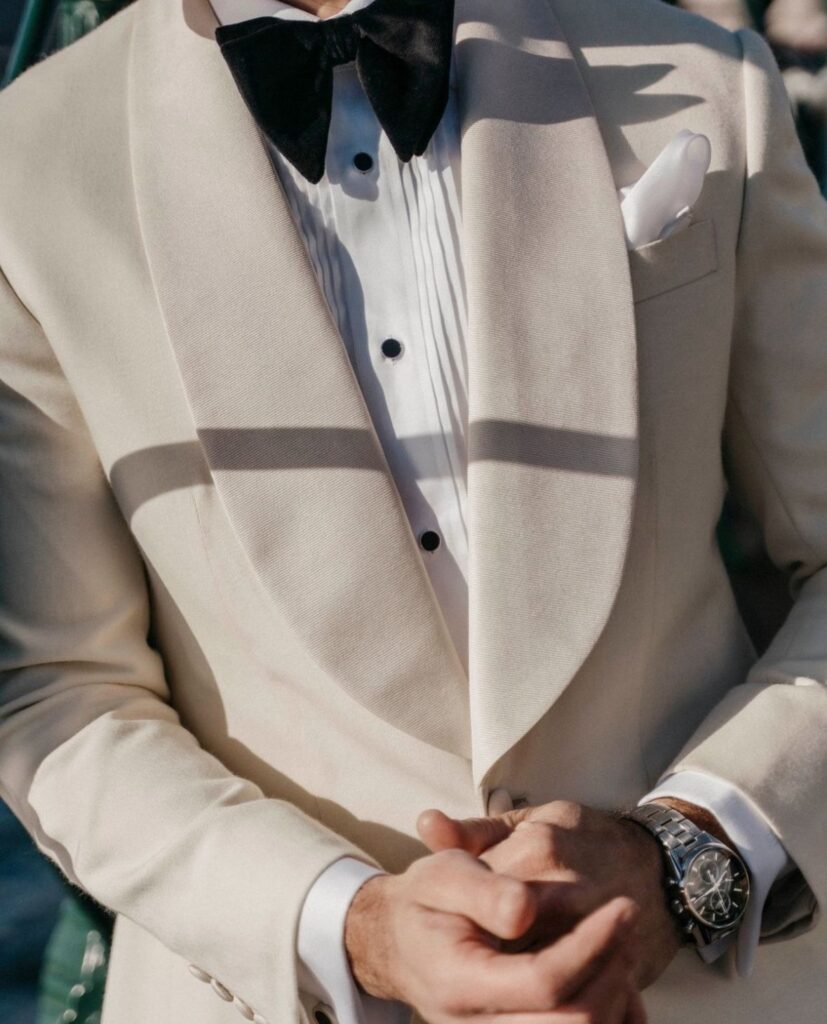
Introduction Choosing what to wear to a wedding men often feels more complicated than it should. Dress codes, seasons, venues and personal style all influence the right decision. The goal is not simply to wear a suit, but to wear one that complements the occasion while reflecting confidence and refinement. A well-tailored suit, premium fabric and thoughtful accessories create a lasting impression.Choosing what to wear to a wedding men often feels more complicated than it should. Dress codes, seasons, venues and personal style all influence the right decision. The goal is not simply to wear a suit, but to wear one that complements the occasion while reflecting confidence and refinement. A well-tailored suit, premium fabric and thoughtful accessories create a lasting impression.Choosing what to wear to a wedding men often feels more complicated than it should. Dress codes, seasons, venues and personal style all influence the right decision. The goal is not simply to wear a suit, but to wear one that complements the occasion while reflecting confidence and refinement. A well-tailored suit, premium fabric and thoughtful accessories create a lasting impression. Understanding the Dress Code Black tie calls for a tuxedo, while formal weddings favour a classic two or three-piece suit. Cocktail attire allows tasteful colours and textures, whereas destination weddings often suit breathable fabrics such as linen or tropical wool.Black tie calls for a tuxedo, while formal weddings favour a classic two or three-piece suit. Cocktail attire allows tasteful colours and textures, whereas destination weddings often suit breathable fabrics such as linen or tropical wool.Black tie calls for a tuxedo, while formal weddings favour a classic two or three-piece suit. Cocktail attire allows tasteful colours and textures, whereas destination weddings often suit breathable fabrics such as linen or tropical wool. Choosing Fabrics Wool remains the benchmark for year-round elegance. Tropical wool is ideal for Indian summers. Linen suits work beautifully for daytime celebrations, while wool-silk blends add understated luxury for evening receptions.Wool remains the benchmark for year-round elegance. Tropical wool is ideal for Indian summers. Linen suits work beautifully for daytime celebrations, while wool-silk blends add understated luxury for evening receptions.Wool remains the benchmark for year-round elegance. Tropical wool is ideal for Indian summers. Linen suits work beautifully for daytime celebrations, while wool-silk blends add understated luxury for evening receptions. Colours Navy is the most versatile choice. Charcoal is refined for evening ceremonies. Mid-grey works across seasons, while beige and ivory complement outdoor celebrations.Navy is the most versatile choice. Charcoal is refined for evening ceremonies. Mid-grey works across seasons, while beige and ivory complement outdoor celebrations.Navy is the most versatile choice. Charcoal is refined for evening ceremonies. Mid-grey works across seasons, while beige and ivory complement outdoor celebrations. Fit Matters Regardless of price, an ill-fitting suit diminishes elegance. Proper shoulder alignment, balanced jacket length and tailored trousers create a polished silhouette.Regardless of price, an ill-fitting suit diminishes elegance. Proper shoulder alignment, balanced jacket length and tailored trousers create a polished silhouette.Regardless of price, an ill-fitting suit diminishes elegance. Proper shoulder alignment, balanced jacket length and tailored trousers create a polished silhouette. Accessories Keep accessories restrained. A white pocket square, quality leather shoes and a classic watch elevate the outfit without overwhelming it.Keep accessories restrained. A white pocket square, quality leather shoes and a classic watch elevate the outfit without overwhelming it.Keep accessories restrained. A white pocket square, quality leather shoes and a classic watch elevate the outfit without overwhelming it. Seasonal Guidance Spring and summer favour lighter colours and breathable fabrics. Autumn and winter are better suited to richer shades and structured wool fabrics.Spring and summer favour lighter colours and breathable fabrics. Autumn and winter are better suited to richer shades and structured wool fabrics.Spring and summer favour lighter colours and breathable fabrics. Autumn and winter are better suited to richer shades and structured wool fabrics. Tailoring At Shubham Shinde Atelier, every wedding ensemble begins with understanding the wearer, the venue and the season. The focus is on timeless tailoring rather than short-lived trends. Readers exploring the atelier’s formal suit collection can naturally continue to the suit collection page on the website for bespoke options.At Shubham Shinde Atelier, every wedding ensemble begins with understanding the wearer, the venue and the season. The focus is on timeless tailoring rather than short-lived trends. Readers exploring the atelier’s formal suit collection can naturally continue to the suit collection page on the website for bespoke options.At Shubham Shinde Atelier, every wedding ensemble begins with understanding the wearer, the venue and the season. The focus is on timeless tailoring rather than short-lived trends. Readers exploring the atelier’s formal suit collection can naturally continue to the suit collection page on the website for bespoke options. External References For readers interested in fabric education, resources from The Woolmark Company and Vitale Barberis Canonico provide valuable insight into wool performance and craftsmanship.For readers interested in fabric education, resources from The Woolmark Company and Vitale Barberis Canonico provide valuable insight into wool performance and craftsmanship.For readers interested in fabric education, resources from The Woolmark Company and Vitale Barberis Canonico provide valuable insight into wool performance and craftsmanship. Conclusion Ultimately, deciding what to wear to a wedding men should never be about following trends. It should be about respecting the occasion while wearing garments that fit impeccably and feel comfortable. Thoughtful tailoring, quality fabrics and timeless styling ensure you look appropriate in every season.Ultimately, deciding what to wear to a wedding men should never be about following trends. It should be about respecting the occasion while wearing garments that fit impeccably and feel comfortable. Thoughtful tailoring, quality fabrics and timeless styling ensure you look appropriate in every season.Ultimately, deciding what to wear to a wedding men should never be about following trends. It should be about respecting the occasion while wearing garments that fit impeccably and feel comfortable. Thoughtful tailoring, quality fabrics and timeless styling ensure you look appropriate in every season. FAQs Navy. Yes, for daytime and destination weddings. Yes, fit defines elegance.
Linen Suit for Men: The Complete Guide To Choosing Timeless Summer Elegance
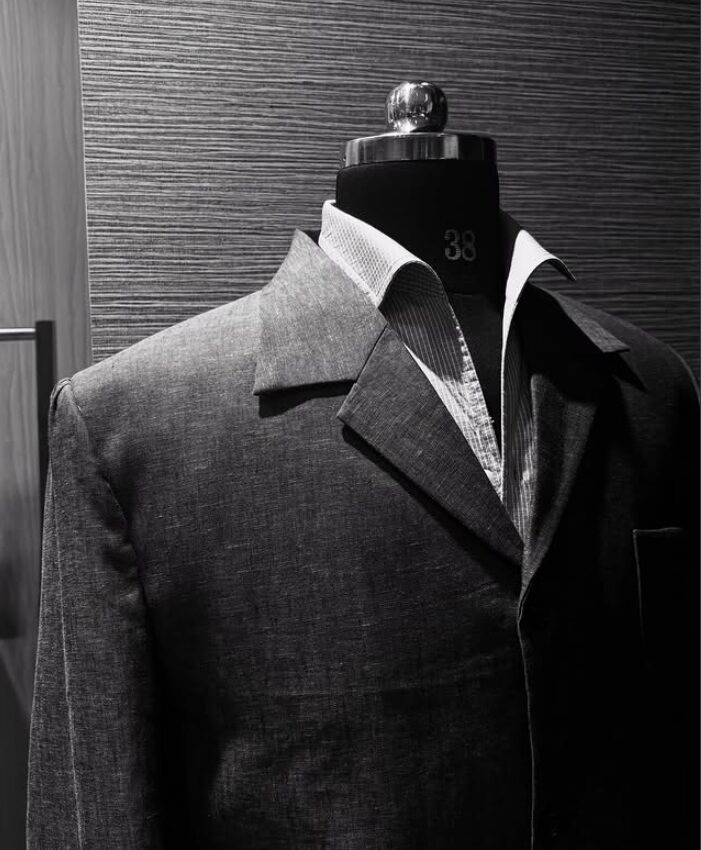
Few garments embody effortless sophistication quite like a linen suit for men. In a world where tailoring often prioritises structure above comfort, linen offers a refreshing alternative one that embraces ease without sacrificing refinement. Lightweight, breathable and naturally elegant, it has become an essential part of the modern gentleman’s wardrobe, particularly in warmer climates where comfort is just as important as appearance. Yet despite its growing popularity, linen remains one of the most misunderstood fabrics in menswear. It is often labelled as overly casual, excessively wrinkled, or suitable only for holidays. These assumptions overlook what makes linen unique. When thoughtfully tailored and styled with intention, a linen suit for men can be just as sophisticated as traditional wool tailoring while offering unparalleled comfort. Whether you’re attending a summer wedding, preparing for an outdoor celebration, travelling for business or simply looking to expand your wardrobe with a versatile seasonal suit, understanding linen is the first step towards making an informed investment. This guide explores everything you need to know from the characteristics of linen and how it compares with other fabrics to selecting the right fit, colour, and construction. Rather than following trends, the goal is to understand why a well-crafted linen suit continues to remain relevant decade after decade. Understanding Linen: More Than Just A Summer Fabric Linen is one of the oldest natural textiles in the world, woven from the fibres of the flax plant. For centuries, it has been valued for its exceptional breathability, durability and distinctive texture. While fashion trends have evolved significantly, linen has remained remarkably consistent because its appeal is rooted in function rather than novelty. Unlike synthetic materials that trap heat or heavier fabrics designed for colder climates, linen allows air to circulate naturally through its weave. This makes it particularly suitable for countries like India, where long summers and humid conditions demand fabrics that remain comfortable throughout the day. However, the appeal of a linen suit for men extends beyond temperature regulation. Linen possesses a unique texture that reflects light differently from wool or cotton, giving garments a subtle depth and character. Rather than appearing perfectly smooth, linen develops a lived-in elegance that many consider its greatest strength. Its natural creasing, often mistaken for a flaw, is in fact part of its identity. Unlike wrinkles caused by poor-quality fabrics, linen’s soft folds communicate movement and authenticity. The objective is not to eliminate them but to understand how good tailoring manages them while preserving the fabric’s relaxed nature. Why A Linen Suit For Men Has Become A Modern Essential The growing appreciation for linen reflects a broader shift in contemporary menswear. Modern dressing no longer revolves solely around rigid formality. Today’s gentleman values versatility, comfort and craftsmanship equally. A well-made linen suit for men delivers on all three. Unlike garments designed for a single occasion, linen adapts remarkably well to different environments. A navy linen suit can transition from a daytime business meeting to an evening dinner. A beige or ivory suit feels perfectly suited to destination weddings and summer celebrations. Even individual pieces, the jacket or trousers can be styled separately, making linen one of the most versatile investments in a tailored wardrobe. Its lightweight construction also reduces fatigue during extended wear. Weddings, corporate events, and social gatherings often involve several hours of standing, moving, and travelling. Linen allows the wearer to remain comfortable without compromising appearance. Perhaps most importantly, linen represents confidence. It does not attempt to appear overly polished. Instead, it embraces a quieter form of elegance, one that values authenticity over perfection. Choosing The Right Linen Suit For Men Begins With Fabric Quality Not all linen fabrics are created equally. Two garments may appear similar at first glance, yet perform very differently over time. The quality of flax fibres, weaving techniques and finishing processes all influence how the fabric behaves. Premium linen typically features longer fibres that create a smoother surface while improving durability. The weave remains breathable yet sufficiently dense to support tailored construction. Inferior linen, by comparison, often feels coarse, creases excessively and loses its shape more quickly. When evaluating a linen suit for men, attention should be given to: High-quality linen should feel light without appearing fragile. It should move naturally while maintaining enough body to support a structured silhouette. Pure Linen Or Linen Blends: Which Should You Choose? One of the most common questions buyers face is whether to choose pure linen or a blended fabric. The answer depends less on which is objectively better and more on how the suit will be worn. Pure linen offers the most authentic experience. It remains exceptionally breathable, develops a beautiful natural texture and captures the relaxed elegance that has made linen famous for centuries. It is particularly suited to destination weddings, summer events, and occasions where effortless sophistication is appropriate. However, linen blends introduce additional performance benefits. A linen-wool blend combines breathability with greater structure. Wool helps the garment maintain sharper lines while reducing excessive creasing, making it an excellent choice for professionals or formal occasions. Linen-silk blends introduce subtle richness. Silk softens the texture and adds a gentle lustre, creating a more luxurious interpretation of traditional linen tailoring. Linen-cotton blends occupy the middle ground, offering increased softness and reduced wrinkling while preserving much of linen’s natural comfort. The best linen suit for men is not determined solely by fabric composition but by how that composition aligns with climate, occasion and personal preference. The Importance Of Tailoring In Linen Menswear Fabric alone cannot create an exceptional suit. Tailoring determines how that fabric interacts with the body. Because linen is naturally softer than wool, precise construction becomes even more important. Well-balanced shoulders, carefully shaped lapels, and accurate waist suppression ensure that the garment retains visual structure while allowing linen’s relaxed character to remain intact. An oversized linen suit quickly loses elegance, appearing careless rather than effortless. Conversely, a suit cut too closely can restrict movement and diminish the fabric’s natural drape. The objective is balance. The finest examples
