
How To Store Wool Jacket: The Complete Guide To Protecting Your Investment
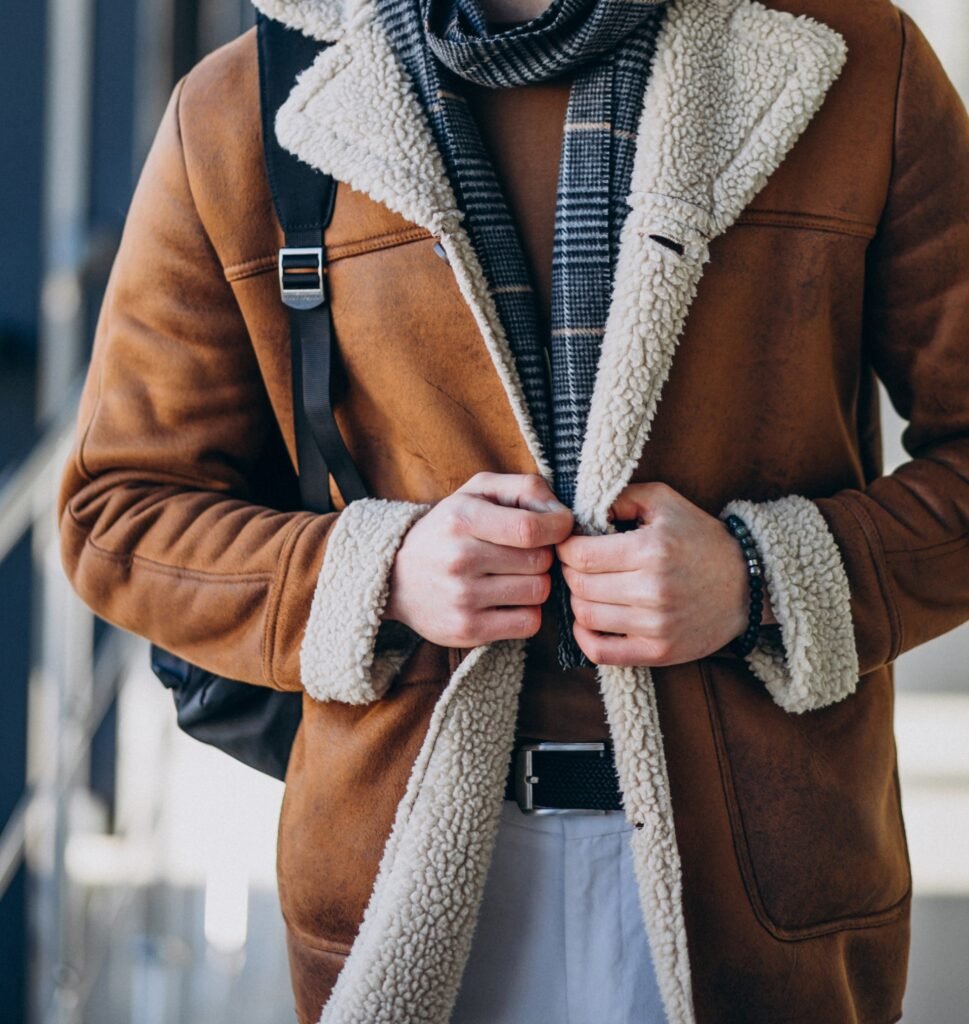
Introduction A premium wool jacket is more than another garment hanging in your wardrobe. It is the result of exceptional craftsmanship, carefully selected natural fibres, and precise tailoring. Whether it is a business blazer, a structured sports coat, or part of a bespoke suit, a well-made wool jacket is designed to last for years provided it receives the care it deserves. Yet, many people unknowingly shorten the lifespan of their jackets through improper storage. Thin wire hangers distort the shoulders, plastic garment covers trap moisture, overcrowded wardrobes compress the fabric, and excessive dry cleaning weakens natural fibres. These small habits often cause more damage than years of regular wear. Unlike synthetic fabrics, wool is a living natural fibre. It breathes, absorbs and releases moisture, and naturally resists wrinkles. These characteristics make wool one of the finest materials for tailoring, but they also mean that proper storage is essential to preserve its structure, texture, and longevity. Understanding how to store wool jacket correctly is not simply about keeping it clean. It is about protecting its shape, maintaining the integrity of the fabric, and ensuring that every time you wear it, it looks as refined as the day it was tailored. Whether you own one cherished blazer or an entire wardrobe of formal jackets, following the right storage practices will extend the life of your garments and protect the investment you have made in quality menswear. Why Proper Storage Matters Many people assume that once a jacket is hung inside a wardrobe, the job is done. In reality, storage plays a significant role in determining how a wool jacket ages. Every time a jacket is worn, its fibres respond to body heat, moisture, and movement. Shoulders support weight, sleeves crease naturally, and the fabric absorbs small amounts of humidity from the environment. Wool has the remarkable ability to recover from much of this stress, but only when given the right conditions. Poor storage accelerates wear in several ways: By comparison, thoughtful storage allows wool to recover naturally between wears. The fabric relaxes, wrinkles soften, and the jacket retains the balanced silhouette that skilled tailoring was designed to achieve. For premium garments, storage should be viewed as an extension of craftsmanship rather than an afterthought. Brush Your Wool Jacket Before Putting It Away One of the simplest yet most overlooked maintenance habits is brushing your jacket after wearing it. Throughout the day, wool attracts dust, pollen, airborne particles, and microscopic dirt. Although these contaminants may not be immediately visible, they gradually settle into the fibres, affecting both appearance and longevity. Using a soft natural-bristle clothing brush removes surface debris before it works deeper into the fabric. Gentle downward strokes are sufficient to lift dust without damaging the weave. Brushing also helps restore the fabric’s natural texture, particularly on premium wools where the finish contributes significantly to the garment’s appearance. Making this a routine after every few wears dramatically reduces the need for frequent dry cleaning while keeping your jacket looking fresh. Choose The Right Hanger Perhaps no accessory is more important for jacket storage than the hanger itself. Thin plastic or wire hangers concentrate the weight of the garment onto a narrow area, causing shoulder distortion over time. Once the structure begins to collapse, restoring the original silhouette becomes difficult. Instead, choose wide wooden hangers that closely match the natural width of your shoulders. They provide even support across the garment and preserve the jacket’s intended shape. Quality hangers also maintain: This is particularly important for structured jackets made with full-canvas or half-canvas construction, where preserving the internal architecture is essential. A premium wool jacket deserves more than the same hanger used for lightweight shirts. Never Store Wool In Plastic Covers It is common to receive a suit or jacket inside a plastic cover after dry cleaning. Many people assume this is the safest place to keep it. In reality, plastic is one of the worst long-term storage options for wool. Plastic traps humidity around the garment and prevents natural airflow. Over time this creates an environment where moisture accumulates, increasing the risk of mildew, unpleasant odours, and fibre deterioration. Natural fibres need to breathe. For long-term storage, use breathable cotton garment bags instead. These protect the jacket from dust while allowing sufficient air circulation to keep the fabric healthy. Breathable storage is especially important in humid climates, where temperature fluctuations can introduce additional moisture into wardrobes. Should You Fold Or Hang A Wool Jacket? For everyday storage, hanging remains the preferred option. A properly supported jacket naturally relaxes under its own weight, helping minor wrinkles disappear while preserving the intended silhouette. Folding should generally be reserved for travel, where luggage limitations make hanging impossible. If folding is necessary: Upon arrival, remove the jacket immediately and hang it in a well-ventilated space. Many travel wrinkles disappear naturally within several hours, while remaining creases can usually be removed using gentle steam. Proper handling during travel ensures that a wool jacket continues to look refined regardless of the destination. Protect Your Jacket From Moths Naturally One of the greatest threats to wool garments is not everyday wear it is improper storage that attracts moths. Contrary to popular belief, moths do not consume clean wool itself. They are attracted to natural fibres carrying traces of perspiration, food particles, skin oils, or dust. This makes regular cleaning before seasonal storage particularly important. Natural protection methods include: These solutions discourage moth activity without exposing garments to harsh chemicals that may affect delicate natural fibres. Regular wardrobe inspections also help identify problems before significant damage occurs. Humidity And Temperature Matter More Than You Think The environment in which you store your jacket has a direct impact on its longevity. Wool is a hygroscopic fibre, meaning it naturally absorbs and releases moisture from the surrounding air. While this property makes wool exceptionally comfortable to wear, it also means that poor storage conditions can gradually affect its performance. A wardrobe that is damp, poorly ventilated, or exposed to fluctuating temperatures
The Quiet Authority Of A Perfect Shirt: Inside The World Of Canclini & Fredalia Bespoke Fabrics
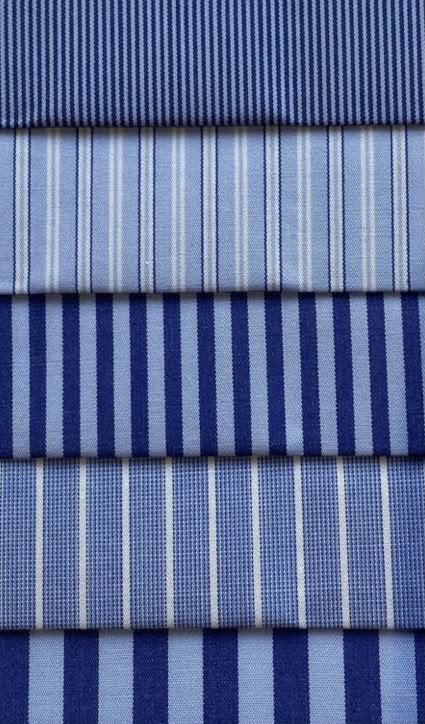
There is a particular kind of confidence that comes from wearing the right shirt not from the cut alone, not from the colour, but from the way the fabric settles against you. It doesn’t demand attention. It simply makes everything else look better. That quality isn’t accidental. It is woven in. In the world of luxury bespoke shirts for men, the conversation almost always begins with the fabric, because the fabric decides everything else: how the shirt drapes from the shoulder, how it breathes through a long day, how it survives a decade of wearing without losing its character. Two names define that conversation at Shubham Shinde Atelier: Canclini and Fredalia. One has been weaving in the shadow of the Italian Alps since 1925. The other has quietly become the benchmark for premium Supima cotton and linen shirting in the bespoke trade. Both represent the same conviction that a shirt should be made from something worth making it from. This guide is for the man who wants to understand what he is wearing, not just what it costs. It covers what separates exceptional shirting fabric from acceptable fabric, what Canclini and Fredalia each bring to the cloth, and what a bespoke shirt built from either should feel like from the first wear to the hundredth. Quick Answer: What Makes a Luxury Bespoke Shirt Fabric Exceptional? An exceptional luxury bespoke shirt fabric is defined by three things working together: the quality of the raw fibre – long-staple Egyptian cotton, Supima cotton or fine European linen – the precision of the weave, and the finishing treatments applied after weaving that determine softness, crease recovery, and longevity. Canclini delivers on all three through nearly a century of Italian mill expertise. Fredalia delivers through advanced fabric technology applied to premium natural fibres, with finishes like liquid ammonia treatment and easy-iron technology that make bespoke shirts genuinely easier to live in. Together, they represent the two ends of what premium shirting can be heritage-driven Italian elegance and performance-led Supima precision. Why the Fibre Beneath the Shirt Decides Everything Before a single thread is woven, the ceiling of what a shirt can be is set by the fibre it starts with. This is the part of shirt fabric most buyers never see and the part that separates a fabric that softens gracefully over years from one that pills, thins, and loses its colour within a season. Egyptian cotton has been the benchmark of fine shirting for centuries. Its significance lies in staple length – the length of the individual cotton fibres before spinning. Long-staple Egyptian cotton, particularly rare varieties grown in the Nile Delta, produces fibres long enough to be spun into finer, stronger yarns that feel smoother against the skin, reflect light with a natural lustre, and resist pilling because fewer fibre ends protrude from the fabric surface. The result is a shirt that feels categorically different from one made with shorter-staple cotton – smoother to the touch, more luminous, and more durable under repeated wear. Supima cotton – a trademarked variety of Pima cotton grown in the United States under strict quality controls is equally long-staple and equally premium. With individual fibre lengths of 38mm or longer compared to the 25 – 28mm of standard upland cotton, Supima produces yarns of exceptional softness and strength. Fabrics woven from Supima cotton are notably soft from the first wear, improve with washing rather than degrading, and hold colour exceptionally well through repeated laundering. Fredalia’s use of 100% Supima cotton as the foundation for their shirting collections is a deliberate choice – a specific claim about the quality floor their fabrics are built from. Fine European linen behaves differently from cotton in every way that matters for warm climates. It absorbs moisture and releases it faster than any other natural fibre, it becomes softer and more refined with each wash, and it carries a natural texture that reads as effortlessly elegant in a way no synthetic can replicate. Fredalia’s Breeze collection, built from pure linen, captures exactly these properties – lightweight, breathable, and structured enough for the crisp collar and placket a bespoke shirt demands. Canclini: A Century of Italian Shirting From Como’s Silk Country The story of Canclini began over 80 years ago, founded in 1925 by Giuseppe Canclini as part of the silk industry in the Como area of northern Lombardy. Three generations later, it is still managed by the Canclini family from the same territory where it began. That continuity matters. In an industry increasingly driven by scale and speed, a family-owned mill entering its second century of production brings something that cannot be replicated: an accumulated sensibility about what great shirting fabric should feel like, built over decades of working with the same fibres, the same looms and the same exacting standards. Canclini fabrics are made exclusively from compact single yarns and long-staple twisted yarns in pure Egyptian cotton and linen, which have undergone stringent tests from the harvesting of the raw material onward. The cotton is chosen specifically for its cleanness, gloss, and natural sheen with the rare very long staple Giza 45 cotton serving as a reference point for raw material quality. Giza 45 is among the finest cottons grown anywhere in the world, and Canclini’s anchoring of their quality benchmark to this cotton tells you precisely where in the fabric hierarchy they have placed themselves. Canclini has produced fabrics for houses including Zegna, Giorgio Armani, Prada, and Dolce & Gabbana. For a bespoke shirt client, this is meaningful context – confirmation that the fabric on the atelier’s cutting table has already met the most demanding quality requirements in the fashion world before it reaches you. What distinguishes Canclini in the bespoke shirting space specifically is their range and their willingness to experiment. Canclini consistently produces distinctive designs across both formal and casual registers, and was one of the first mills to offer a significant part of their shirting collection as cut lengths to bespoke makers which means the range
Suits Every Man Should Own: Building A Timeless Wardrobe That Never Goes Out Of Style
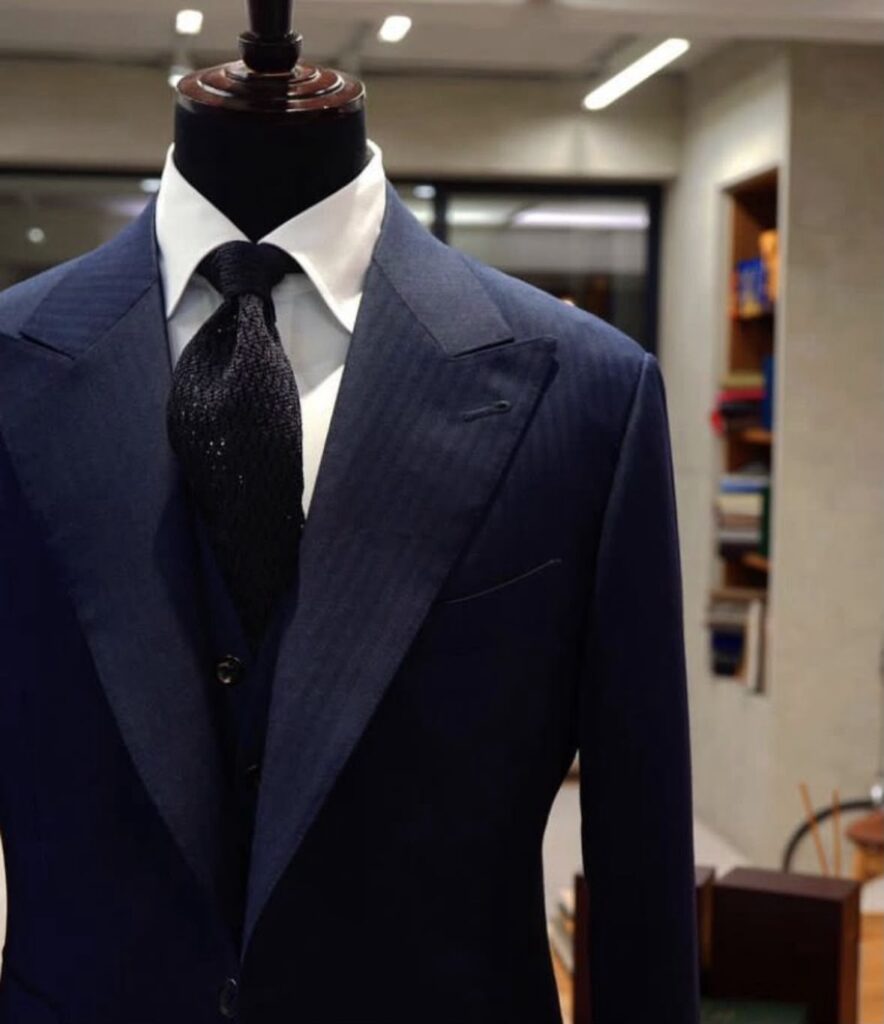
Most men buy suits reactively – a job interview comes up, a wedding invitation arrives, and suddenly there’s a frantic search for something appropriate. The result is a wardrobe full of near-misses: a navy suit that’s slightly too casual for formal occasions, a black suit that’s too severe for anything short of a funeral, and a gap where a versatile everyday suit should be. Building a suit wardrobe the right way is about sequence. The suits every man should own aren’t about owning as many as possible, they’re about owning the right ones in the right order, so that each new addition multiplies what you can do with what you already have. This guide lays that sequence out clearly, from the single most important suit to own first, through to the pieces that round out a complete wardrobe. Quick Answer: The Essential Suits Every Man Should Own In order of priority: a navy suit first (the most versatile suit in menswear), followed by a charcoal grey suit (for formal and professional settings), then a mid-grey or light grey suit for daytime and warmer-weather occasions, and for Indian occasions specifically, a Bandhgala as the fourth essential. After these four are covered, a statement or seasonal suit rounds out the wardrobe for personal expression. Why Sequence Matters When Building a Suit Wardrobe Before listing individual suits, the most important principle is this: each suit you buy should expand the range of occasions your wardrobe can handle. A man with two well-chosen suits covers more ground than a man with five poorly chosen ones. The goal at every step is maximum versatility per addition. This is also why starting with a statement suit – however tempting is the wrong move. A burgundy velvet suit is a wonderful thing to own, but only once the workhorses are already in the wardrobe. It has nowhere near the daily utility of a navy or charcoal suit, and it can’t substitute for either when the occasion is professional or formal. Suit 1: The Navy Suit – Start Here, Always The navy suit is the single most important suit in a man’s wardrobe, and the consensus on this is as close to unanimous as menswear gets. Navy is simultaneously versatile enough for a job interview, a business meeting, a casual dinner, and a semi-formal event – a range almost no other colour achieves. Why navy works everywhere: What to look for: A mid-weight worsted wool in a plain navy or very subtle texture such as a pick-and-pick or birdseye weave. Avoid shiny fabrics, they cheapen the suit’s appearance quickly. For Indian summer conditions, a tropical wool navy suit gives you the same versatility with better breathability. Our full guide to summer suit fabrics for India explains the difference in detail. Fit: Slim or tailored fit with a moderate waist suppression. The navy suit should feel like the suit you reach for without thinking – it only does that if it fits perfectly. Suit 2: The Charcoal Grey Suit – The Professional Workhorse If navy is the most versatile suit in a wardrobe, charcoal grey is the most authoritative. It carries a level of formality and seriousness that navy doesn’t quite reach, making it the right choice for high-stakes professional settings, formal ceremonies and any occasion where the dress code leans toward the conservative. Where charcoal grey works: What to look for: A plain charcoal or a very fine chalk stripe in a mid-weight worsted wool. The chalk stripe adds visual interest without sacrificing the suit’s professional register. Pair with a white shirt and a silk tie for maximum authority, or wear without a tie for a more contemporary approach. Read our guide on fabric pairing in menswear for shirting and tie combinations that work with charcoal. The charcoal vs. black question: Many men default to black as the formal suit, but charcoal grey is actually the more versatile of the two for most occasions. Black is appropriate for funerals and formal evening events, but it can look harsh in daylight and in most professional settings reads as slightly off. Charcoal gives you near-equivalent formality with significantly more versatility. Suit 3: The Mid-Grey or Light Grey Suit – Daytime and Warm Weather Once navy and charcoal are covered, the next gap in most wardrobes is a lighter suit for daytime events, outdoor occasions and warmer months. A mid-grey or light grey suit fills this role cleanly. Grey in lighter shades from medium grey to a soft pearl – works particularly well for daytime weddings, summer outdoor events, and any occasion where the warmer-weather palette makes navy and charcoal feel too heavy. Why this works in the Indian context: Mumbai and Thane summers are exactly the conditions where a lighter suit earns its place. A light grey in a linen blend or a fine tropical wool reads as considered and season-appropriate in a way that a dark suit simply doesn’t in June heat. Explore our full collection of made-to-measure suits to see fabric options suited to warm-weather wear. Styling note: A mid-grey suit separates well, the jacket works as a blazer over dark trousers, and the trousers pair with navy or white shirts independently of the jacket. This multiplies the number of looks available from a single suit which makes it a high-value wardrobe addition. Learn more in our guide on linen suits for men if you’re considering a lighter fabric for this third suit slot. Suit 4: The Bandhgala – The Indian Essential For any man dressing for Indian occasions – festivals, formal family events, mehendi, sangeet, traditional ceremonies – a Bandhgala is not optional. It is the Indian equivalent of the Western dress suit: a garment that carries its own formality, requires no tie, and communicates a clear understanding of the occasion’s register. The Bandhgala’s closed collar and structured silhouette make it appropriate across a wide range of Indian formal occasions without the Western suit’s requirement for specific accessories to complete the look. Paired with churidar trousers
What to Wear to a Wedding Men: A Complete Guide to Dressing with Confidence
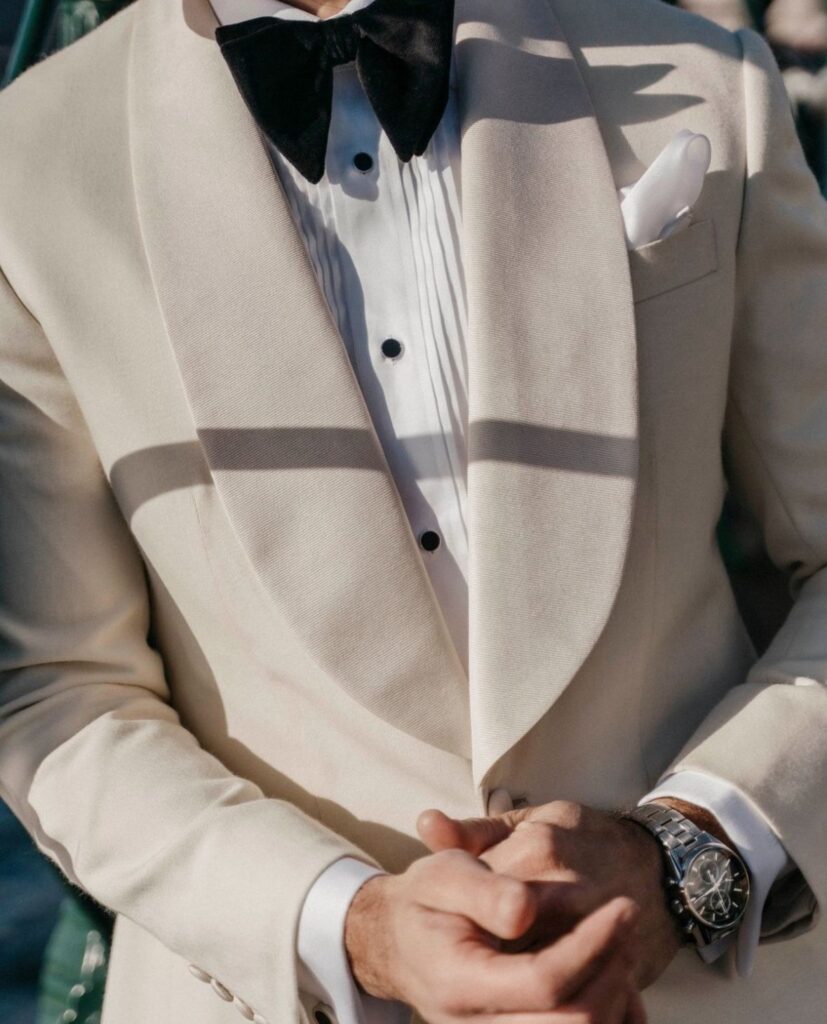
Introduction Choosing what to wear to a wedding men often feels more complicated than it should. Dress codes, seasons, venues and personal style all influence the right decision. The goal is not simply to wear a suit, but to wear one that complements the occasion while reflecting confidence and refinement. A well-tailored suit, premium fabric and thoughtful accessories create a lasting impression.Choosing what to wear to a wedding men often feels more complicated than it should. Dress codes, seasons, venues and personal style all influence the right decision. The goal is not simply to wear a suit, but to wear one that complements the occasion while reflecting confidence and refinement. A well-tailored suit, premium fabric and thoughtful accessories create a lasting impression.Choosing what to wear to a wedding men often feels more complicated than it should. Dress codes, seasons, venues and personal style all influence the right decision. The goal is not simply to wear a suit, but to wear one that complements the occasion while reflecting confidence and refinement. A well-tailored suit, premium fabric and thoughtful accessories create a lasting impression. Understanding the Dress Code Black tie calls for a tuxedo, while formal weddings favour a classic two or three-piece suit. Cocktail attire allows tasteful colours and textures, whereas destination weddings often suit breathable fabrics such as linen or tropical wool.Black tie calls for a tuxedo, while formal weddings favour a classic two or three-piece suit. Cocktail attire allows tasteful colours and textures, whereas destination weddings often suit breathable fabrics such as linen or tropical wool.Black tie calls for a tuxedo, while formal weddings favour a classic two or three-piece suit. Cocktail attire allows tasteful colours and textures, whereas destination weddings often suit breathable fabrics such as linen or tropical wool. Choosing Fabrics Wool remains the benchmark for year-round elegance. Tropical wool is ideal for Indian summers. Linen suits work beautifully for daytime celebrations, while wool-silk blends add understated luxury for evening receptions.Wool remains the benchmark for year-round elegance. Tropical wool is ideal for Indian summers. Linen suits work beautifully for daytime celebrations, while wool-silk blends add understated luxury for evening receptions.Wool remains the benchmark for year-round elegance. Tropical wool is ideal for Indian summers. Linen suits work beautifully for daytime celebrations, while wool-silk blends add understated luxury for evening receptions. Colours Navy is the most versatile choice. Charcoal is refined for evening ceremonies. Mid-grey works across seasons, while beige and ivory complement outdoor celebrations.Navy is the most versatile choice. Charcoal is refined for evening ceremonies. Mid-grey works across seasons, while beige and ivory complement outdoor celebrations.Navy is the most versatile choice. Charcoal is refined for evening ceremonies. Mid-grey works across seasons, while beige and ivory complement outdoor celebrations. Fit Matters Regardless of price, an ill-fitting suit diminishes elegance. Proper shoulder alignment, balanced jacket length and tailored trousers create a polished silhouette.Regardless of price, an ill-fitting suit diminishes elegance. Proper shoulder alignment, balanced jacket length and tailored trousers create a polished silhouette.Regardless of price, an ill-fitting suit diminishes elegance. Proper shoulder alignment, balanced jacket length and tailored trousers create a polished silhouette. Accessories Keep accessories restrained. A white pocket square, quality leather shoes and a classic watch elevate the outfit without overwhelming it.Keep accessories restrained. A white pocket square, quality leather shoes and a classic watch elevate the outfit without overwhelming it.Keep accessories restrained. A white pocket square, quality leather shoes and a classic watch elevate the outfit without overwhelming it. Seasonal Guidance Spring and summer favour lighter colours and breathable fabrics. Autumn and winter are better suited to richer shades and structured wool fabrics.Spring and summer favour lighter colours and breathable fabrics. Autumn and winter are better suited to richer shades and structured wool fabrics.Spring and summer favour lighter colours and breathable fabrics. Autumn and winter are better suited to richer shades and structured wool fabrics. Tailoring At Shubham Shinde Atelier, every wedding ensemble begins with understanding the wearer, the venue and the season. The focus is on timeless tailoring rather than short-lived trends. Readers exploring the atelier’s formal suit collection can naturally continue to the suit collection page on the website for bespoke options.At Shubham Shinde Atelier, every wedding ensemble begins with understanding the wearer, the venue and the season. The focus is on timeless tailoring rather than short-lived trends. Readers exploring the atelier’s formal suit collection can naturally continue to the suit collection page on the website for bespoke options.At Shubham Shinde Atelier, every wedding ensemble begins with understanding the wearer, the venue and the season. The focus is on timeless tailoring rather than short-lived trends. Readers exploring the atelier’s formal suit collection can naturally continue to the suit collection page on the website for bespoke options. External References For readers interested in fabric education, resources from The Woolmark Company and Vitale Barberis Canonico provide valuable insight into wool performance and craftsmanship.For readers interested in fabric education, resources from The Woolmark Company and Vitale Barberis Canonico provide valuable insight into wool performance and craftsmanship.For readers interested in fabric education, resources from The Woolmark Company and Vitale Barberis Canonico provide valuable insight into wool performance and craftsmanship. Conclusion Ultimately, deciding what to wear to a wedding men should never be about following trends. It should be about respecting the occasion while wearing garments that fit impeccably and feel comfortable. Thoughtful tailoring, quality fabrics and timeless styling ensure you look appropriate in every season.Ultimately, deciding what to wear to a wedding men should never be about following trends. It should be about respecting the occasion while wearing garments that fit impeccably and feel comfortable. Thoughtful tailoring, quality fabrics and timeless styling ensure you look appropriate in every season.Ultimately, deciding what to wear to a wedding men should never be about following trends. It should be about respecting the occasion while wearing garments that fit impeccably and feel comfortable. Thoughtful tailoring, quality fabrics and timeless styling ensure you look appropriate in every season. FAQs Navy. Yes, for daytime and destination weddings. Yes, fit defines elegance.
Linen Suit for Men: The Complete Guide To Choosing Timeless Summer Elegance
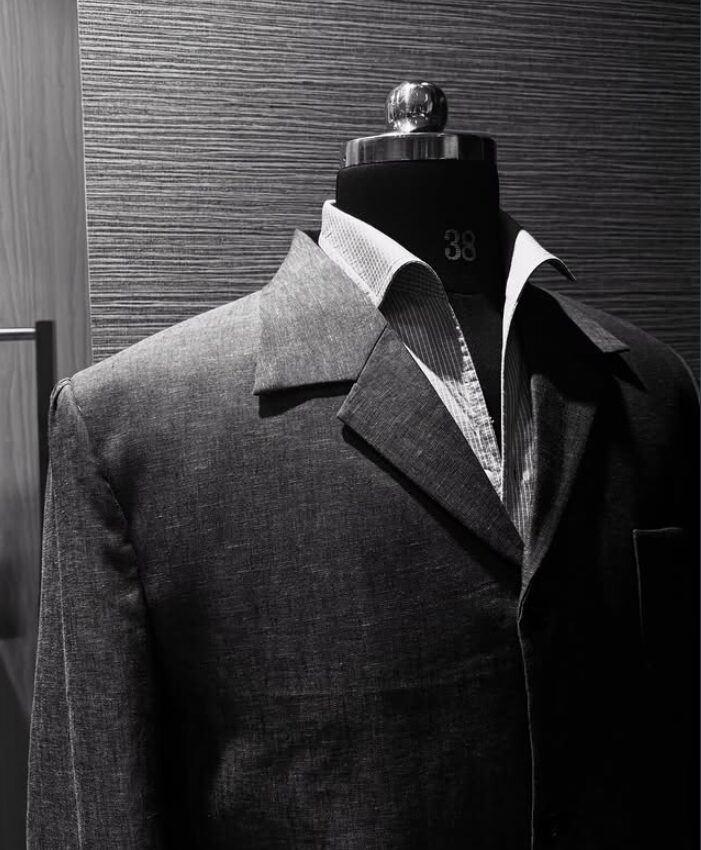
Few garments embody effortless sophistication quite like a linen suit for men. In a world where tailoring often prioritises structure above comfort, linen offers a refreshing alternative one that embraces ease without sacrificing refinement. Lightweight, breathable and naturally elegant, it has become an essential part of the modern gentleman’s wardrobe, particularly in warmer climates where comfort is just as important as appearance. Yet despite its growing popularity, linen remains one of the most misunderstood fabrics in menswear. It is often labelled as overly casual, excessively wrinkled, or suitable only for holidays. These assumptions overlook what makes linen unique. When thoughtfully tailored and styled with intention, a linen suit for men can be just as sophisticated as traditional wool tailoring while offering unparalleled comfort. Whether you’re attending a summer wedding, preparing for an outdoor celebration, travelling for business or simply looking to expand your wardrobe with a versatile seasonal suit, understanding linen is the first step towards making an informed investment. This guide explores everything you need to know from the characteristics of linen and how it compares with other fabrics to selecting the right fit, colour, and construction. Rather than following trends, the goal is to understand why a well-crafted linen suit continues to remain relevant decade after decade. Understanding Linen: More Than Just A Summer Fabric Linen is one of the oldest natural textiles in the world, woven from the fibres of the flax plant. For centuries, it has been valued for its exceptional breathability, durability and distinctive texture. While fashion trends have evolved significantly, linen has remained remarkably consistent because its appeal is rooted in function rather than novelty. Unlike synthetic materials that trap heat or heavier fabrics designed for colder climates, linen allows air to circulate naturally through its weave. This makes it particularly suitable for countries like India, where long summers and humid conditions demand fabrics that remain comfortable throughout the day. However, the appeal of a linen suit for men extends beyond temperature regulation. Linen possesses a unique texture that reflects light differently from wool or cotton, giving garments a subtle depth and character. Rather than appearing perfectly smooth, linen develops a lived-in elegance that many consider its greatest strength. Its natural creasing, often mistaken for a flaw, is in fact part of its identity. Unlike wrinkles caused by poor-quality fabrics, linen’s soft folds communicate movement and authenticity. The objective is not to eliminate them but to understand how good tailoring manages them while preserving the fabric’s relaxed nature. Why A Linen Suit For Men Has Become A Modern Essential The growing appreciation for linen reflects a broader shift in contemporary menswear. Modern dressing no longer revolves solely around rigid formality. Today’s gentleman values versatility, comfort and craftsmanship equally. A well-made linen suit for men delivers on all three. Unlike garments designed for a single occasion, linen adapts remarkably well to different environments. A navy linen suit can transition from a daytime business meeting to an evening dinner. A beige or ivory suit feels perfectly suited to destination weddings and summer celebrations. Even individual pieces, the jacket or trousers can be styled separately, making linen one of the most versatile investments in a tailored wardrobe. Its lightweight construction also reduces fatigue during extended wear. Weddings, corporate events, and social gatherings often involve several hours of standing, moving, and travelling. Linen allows the wearer to remain comfortable without compromising appearance. Perhaps most importantly, linen represents confidence. It does not attempt to appear overly polished. Instead, it embraces a quieter form of elegance, one that values authenticity over perfection. Choosing The Right Linen Suit For Men Begins With Fabric Quality Not all linen fabrics are created equally. Two garments may appear similar at first glance, yet perform very differently over time. The quality of flax fibres, weaving techniques and finishing processes all influence how the fabric behaves. Premium linen typically features longer fibres that create a smoother surface while improving durability. The weave remains breathable yet sufficiently dense to support tailored construction. Inferior linen, by comparison, often feels coarse, creases excessively and loses its shape more quickly. When evaluating a linen suit for men, attention should be given to: High-quality linen should feel light without appearing fragile. It should move naturally while maintaining enough body to support a structured silhouette. Pure Linen Or Linen Blends: Which Should You Choose? One of the most common questions buyers face is whether to choose pure linen or a blended fabric. The answer depends less on which is objectively better and more on how the suit will be worn. Pure linen offers the most authentic experience. It remains exceptionally breathable, develops a beautiful natural texture and captures the relaxed elegance that has made linen famous for centuries. It is particularly suited to destination weddings, summer events, and occasions where effortless sophistication is appropriate. However, linen blends introduce additional performance benefits. A linen-wool blend combines breathability with greater structure. Wool helps the garment maintain sharper lines while reducing excessive creasing, making it an excellent choice for professionals or formal occasions. Linen-silk blends introduce subtle richness. Silk softens the texture and adds a gentle lustre, creating a more luxurious interpretation of traditional linen tailoring. Linen-cotton blends occupy the middle ground, offering increased softness and reduced wrinkling while preserving much of linen’s natural comfort. The best linen suit for men is not determined solely by fabric composition but by how that composition aligns with climate, occasion and personal preference. The Importance Of Tailoring In Linen Menswear Fabric alone cannot create an exceptional suit. Tailoring determines how that fabric interacts with the body. Because linen is naturally softer than wool, precise construction becomes even more important. Well-balanced shoulders, carefully shaped lapels, and accurate waist suppression ensure that the garment retains visual structure while allowing linen’s relaxed character to remain intact. An oversized linen suit quickly loses elegance, appearing careless rather than effortless. Conversely, a suit cut too closely can restrict movement and diminish the fabric’s natural drape. The objective is balance. The finest examples
Linen Wedding Suits: Stylish or Too Casual?
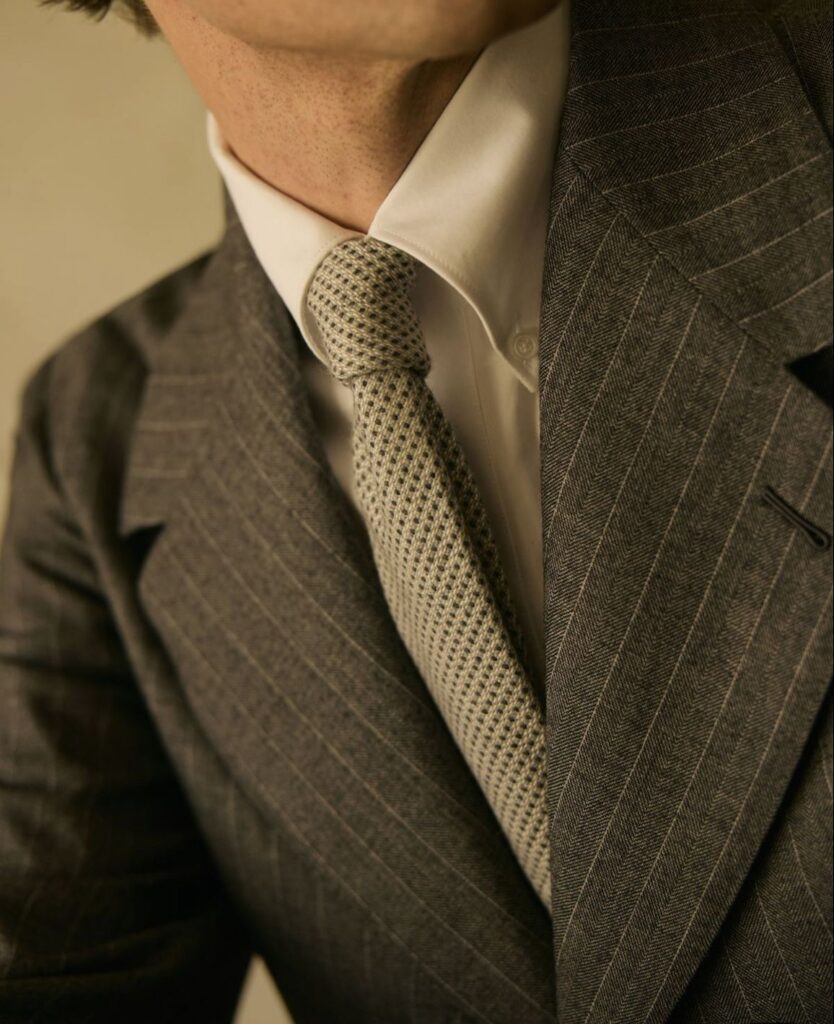
Introduction: Rethinking Linen in Formalwear Few fabrics divide opinion in menswear as much as linen. It is celebrated for its breathability and ease, yet often questioned for its informality. When it comes to wedding occasions defined by precision and permanence the question becomes even more relevant: are linen wedding suits a refined choice, or do they lean too far into casual territory? The answer is not absolute. Linen, when understood and styled correctly, can achieve a level of elegance that feels effortless rather than forced. However, it requires a different approach, one that respects both its strengths and its limitations. Understanding Linen: The Fabric Itself To evaluate linen wedding suits, one must first understand linen as a material. Derived from the flax plant, linen is known for its lightweight construction and natural breathability. It allows air to circulate freely, making it particularly suited to warm climates. Its texture, however, is inherently more relaxed than that of wool. It creases easily, and its drape is softer, less structured. These characteristics are precisely what create the debate. Linen does not impose form—it responds to movement. In a setting that traditionally values sharpness, this can be perceived as either refreshing or insufficient. The Perception of Formality Formality in menswear is often tied to structure. Fabrics that hold shape such as wool are associated with discipline and refinement. Linen, by contrast, introduces fluidity. This is why linen wedding suits are sometimes viewed as less formal. The natural creasing, the lighter texture and the softer silhouette all contribute to a more relaxed aesthetic. However, formality is not defined by fabric alone. Context plays an equally important role. A linen suit worn at a beach wedding, under natural light, aligns perfectly with its surroundings. The same suit in a grand evening ballroom may feel out of place. The distinction lies not in the garment itself but in where and how it is worn. When Linen Wedding Suits Work Exceptionally Well There are environments where linen does not merely work, it excels. In outdoor settings, particularly in warm or coastal climates, linen wedding suits offer both comfort and visual harmony. The fabric reflects light differently, creating a softer, more natural presence. It complements the setting rather than competing with it. Daytime weddings also benefit from linen’s character. Lighter shades such as ivory, beige, and muted pastels enhance the fabric’s strengths, creating a look that feels intentional and composed. In such contexts, linen is not casual, it is appropriate. Where Linen Can Fall Short Despite its advantages, linen has limitations that must be acknowledged. In highly formal environments black-tie events, evening receptions or traditional indoor ceremonies, the relaxed nature of linen can appear underdressed. The lack of sharp structure may not meet the expectations of the setting. Additionally, linen’s tendency to crease can become more noticeable in long events. While some level of creasing is part of its character, excessive wrinkling can disrupt the overall impression if not managed properly. Understanding these limitations is essential when considering linen wedding suits for a formal occasion. The Role of Tailoring in Elevating Linen One of the most effective ways to refine linen is through tailoring. A well-tailored linen suit introduces structure where the fabric naturally lacks it. Clean shoulders, a defined waist and balanced proportions help counteract the softness of the material. At Shubham Shinde Atelier, linen garments are approached with this balance in mind preserving the fabric’s natural ease while introducing enough structure to maintain a composed silhouette. This ensures that linen wedding suits retain their elegance without losing their character. Tailoring does not change the nature of linen, but it refines its expression. Fabric Blends: A Practical Alternative For those who appreciate linen’s comfort but seek more structure, blends offer a compelling solution. Linen-wool blends combine breathability with resilience, allowing the garment to hold its shape more effectively. Linen-silk blends introduce subtle sheen, elevating the overall appearance. These combinations retain the essence of linen while addressing its limitations, making them particularly suitable for weddings that require a balance between comfort and formality. Colour and Styling Considerations The success of linen wedding suits often depends on colour and styling. Lighter tones work naturally with linen’s texture, enhancing its relaxed elegance. Darker colours, while possible, can sometimes feel heavier and less aligned with the fabric’s inherent qualities. Styling should remain restrained. Clean shirts, minimal accessories, and well-chosen footwear ensure that the outfit feels cohesive. Overcomplicating the look can create imbalance, drawing attention away from the fabric itself. Structure vs Ease: Finding the Right Balance The debate around linen wedding suits ultimately comes down to balance. Too much structure can work against the fabric, making it feel forced. Too little can result in an overly casual appearance. The ideal approach lies somewhere in between where the garment maintains shape without losing its natural ease. This balance is what separates a considered linen suit from one that appears unrefined. Modern Wedding Dressing: A Shift in Perspective Weddings today are no longer confined to rigid traditions. There is a growing acceptance of individuality, climate-conscious dressing, and context-driven choices. In this evolving landscape, linen wedding suits have gained relevance. They represent a shift toward comfort without compromising intent, a move away from excessive formality toward thoughtful elegance. This does not mean that linen replaces traditional fabrics, but rather that it expands the options available to the modern wearer. Practical Considerations Before Choosing Linen Before deciding on a linen suit, it is worth considering a few practical aspects. The climate should support the fabric. The setting should align with its level of formality. The tailoring should enhance its structure. And the wearer should be comfortable embracing its natural characteristics, including slight creasing. When these factors are aligned, linen wedding suits can feel entirely appropriate. Conclusion: Stylish Or Too Casual? The question is not whether linen wedding suits are stylish or too casual, it is whether they are chosen with understanding. Linen, by nature, is relaxed. But when placed in the right context, tailored with
How To Choose The Perfect Wedding Suit
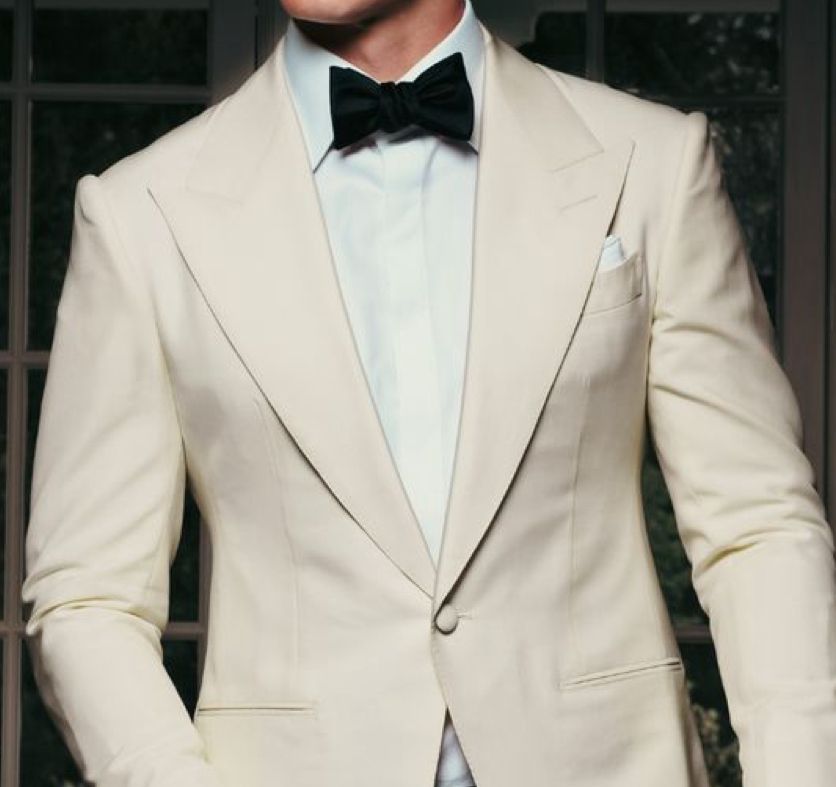
Introduction A wedding is a moment of permanence. It is photographed, remembered and revisited over time. In such a setting, attire is not simply a matter of appearance it becomes part of the memory itself. Choosing the best wedding suit men can wear requires more than selecting a well-cut garment. It involves understanding the occasion, the climate, the role of fabric and the importance of structure. The right suit does not just look appropriate; it performs, endures and reflects intent. Start with the Context: Venue, Time and Role The first step in selecting the right suit is understanding where and when it will be worn. An evening ballroom wedding naturally calls for deeper tones, sharper tailoring and more formal fabrics. In contrast, a daytime or outdoor ceremony benefits from lighter colours and breathable materials. Destination weddings introduce another variable climate which often demands lighter construction and fabrics that adapt to heat and humidity. Equally important is the wearer’s role. A groom’s attire carries more visual weight than that of a guest, requiring greater attention to detail and individuality.The best wedding suit men choose always aligns with its setting before it attempts to stand out. Wool remains the most reliable option for formal weddings. Its natural elasticity allows it to maintain structure while remaining breathable making it suitable for long hours of wear. For warmer climates, lightweight variations such as tropical wool offer the same structure with improved airflow. Linen, while comfortable, carries a more relaxed character and is better suited to informal or destination settings. Silk, when used in blends or detailing, introduces a level of refinement that enhances the overall garment without overpowering it. A well-chosen fabric ensures that the best wedding suit men wear remains composed from ceremony to celebration. Fit and Proportion: The Foundation of Presence Fit is often discussed but rarely understood in its entirety. It is not simply about tightness or looseness; it is about proportion. A properly tailored suit begins at the shoulders, which should sit cleanly without excess fabric. The waist should follow the natural line of the body, creating shape without restriction. Sleeve and trouser lengths must be precise, allowing the garment to frame the body rather than distort it. When these elements come together, the suit enhances posture and creates a sense of ease. The wearer appears composed not because of the garment alone but because the garment supports natural movement. Structure And Construction: What Holds The Suit Together Beyond fabric and fit lies construction the unseen element that defines how a suit performs.Structured garments, particularly those built with canvas construction, retain their shape over extended wear. They resist creasing, maintain clean lines, and adapt to the body over time. This is especially important for weddings, where the suit is worn continuously through different stages of the event. Unstructured or poorly constructed garments may appear adequate initially but tend to lose form, affecting the overall impression. The difference is subtle but significant and it directly impacts how the best wedding suit men can rely on performs throughout the day. Colour Selection: Choosing With Intent Colour should be approached with restraint. Classic tones such as navy, charcoal and black remain relevant because they offer depth and versatility. For daytime weddings, lighter shades such as ivory, beige or muted pastels can be appropriate, provided they align with the setting. Evening events benefit from darker tones, which carry a sense of formality and presence.Rather than choosing colour to attract attention, it is more effective to select one that complements the environment and the occasion. Bandhgala or Western Suit: Defining Your Expression In Indian weddings, the choice often extends beyond the conventional suit.The Bandhgala offers a distinctly cultural expression. Its structured silhouette and closed-neck design create a formal presence that is both traditional and refined. It is particularly suited to ceremonial settings. A Western suit, by contrast, offers versatility. It can be styled differently across events and remains relevant beyond the wedding itself. The decision is not about which is better but about what aligns with the wearer’s identity and the tone of the occasion. Personalisation: Subtle, Not Excessive Personalisation should enhance the garment not dominate it. Thoughtful details such as a custom lining, discreet monogramming or carefully selected buttons add individuality without disrupting the overall balance. These elements are rarely visible at first glance but they contribute to a deeper sense of ownership. The suit feels considered, rather than assembled. Comfort and Practicality: Often Overlooked, Always Felt A wedding involves hours of standing, sitting and movement. Comfort, therefore, is not optional! It is essential.Breathable fabrics, proper construction and accurate fit all contribute to a suit that remains comfortable throughout the event. When comfort is achieved, the wearer is free to focus on the moment rather than the garment.The best wedding suit men wear supports them quietly without demanding attention. The Role of Tailoring Expertise True refinement lies in execution. The difference between a good suit and the right suit often comes down to the skill of the tailor. At Shubham Shinde, wedding garments are developed with a focus on proportion, fabric behaviour, and structural balance. Each piece is approached as a complete system rather than a standalone product. This philosophy is reflected across the brand’s formal and wedding suit collections, where craftsmanship ensures that the garment maintains its integrity throughout the occasion. Common Mistakes to Avoid Many decisions that compromise a wedding suit are made early and often go unnoticed until the final result.Relying on trends rather than timeless design can quickly date the garment. Overlooking fabric quality affects both comfort and durability. Most importantly, neglecting fit undermines every other element, regardless of how premium the material may be.A measured, considered approach avoids these pitfalls and ensures that the final outcome feels cohesive. A Practical Checklist Before Finalising Before confirming your suit, it is worth ensuring a few essentials:The suit aligns with the venue and time of the weddingThe fabric is appropriate for the climateThe fit supports natural movementThe construction maintains structure over
Fabric Pairing In Menswear: How To Combine Wool, Silk & Linen
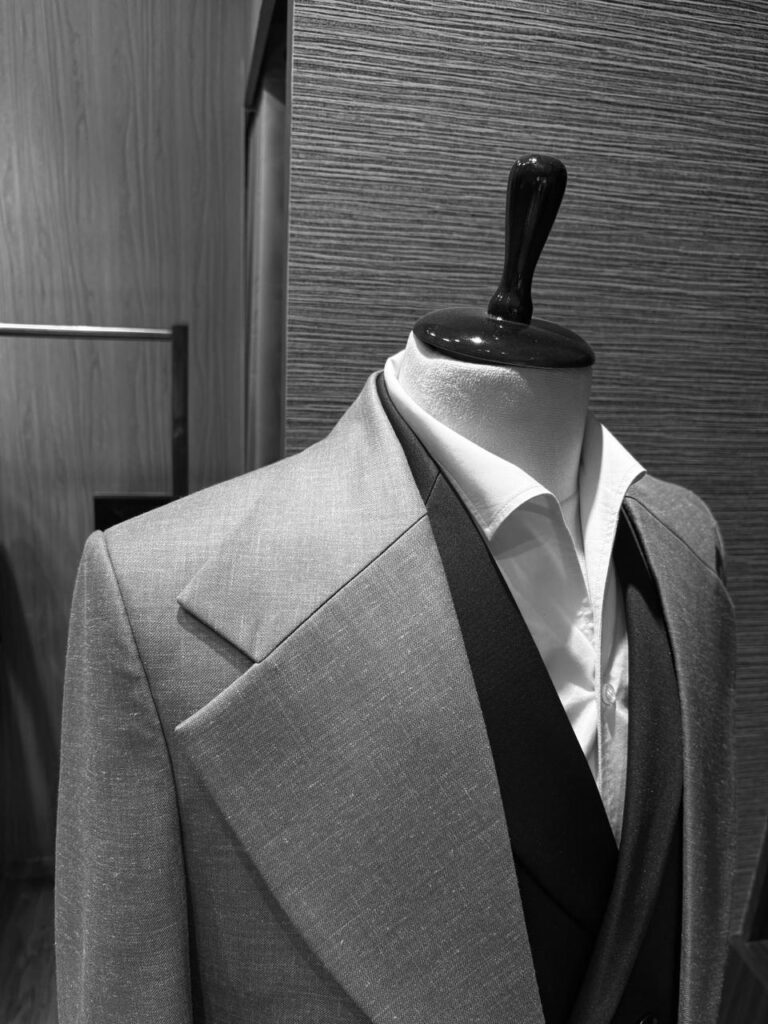
In refined dressing, fabric is not merely a material, it is a language. The way fabrics interact defines not only the visual appeal of an outfit but also its comfort, adaptability, and structure. Among the most important skills in modern tailoring is understanding menswear fabric combinations, particularly when working with wool, silk, and linen. Each of these fabrics carries a distinct identity. Wool offers structure, silk introduces fluidity, and linen provides breathability. When combined with intention, they create garments that feel balanced, composed and appropriate across climates. Understanding Fabric Roles in Menswear Successful menswear fabric combinations begin with understanding the role each fabric plays. Wool: The Structural Core Wool forms the backbone of tailored garments. Its natural elasticity allows it to maintain shape, making it essential for structured silhouettes such as suits and jackets. Silk: The Element of Refinement Silk enhances an outfit through texture and subtle sheen. It is best used as a complementary fabric adding depth without overwhelming the ensemble. Linen: The Breathable Counterbalance Linen introduces lightness and airflow. Its relaxed texture makes it ideal for warmer climates but requires structured pairing to maintain polish. For a deeper technical understanding of natural fabrics, you can refer to . The Golden Rule: Balance Structure And Fluidity The foundation of effective menswear fabric combinations lies in balance. An imbalance too rigid or too relaxed can disrupt the overall composition. Wool And Linen: The Ideal Summer Combination One of the most practical menswear fabric combinations is wool and linen. Why It Works: Styling Approach: This pairing is particularly effective for climates like India, where temperature and humidity demand adaptability. Wool And Silk: Elevated Formal Dressing For formal occasions, wool and silk create a sophisticated balance. Why It Works: Styling Approach: This combination reflects a more polished interpretation of menswear fabric combinations, suitable for evening and ceremonial wear. Linen and Silk: Relaxed Yet Refined Linen and silk together create a softer aesthetic. Why It Works: Styling Approach: This combination is ideal for occasions that require understated elegance. Combining Wool, Silk, and Linen in One Outfit Bringing all three fabrics together is the ultimate test of balance. Principles to Follow: Example: Such combinations represent the highest level of menswear fabric combinations, where each element contributes without overpowering the other. Colour and Texture Coordination Fabric pairing is incomplete without colour harmony. Key Guidelines: These choices ensure that the focus remains on the interaction of fabrics rather than distraction. The Role of Tailoring in Fabric Pairing Even the most thoughtful menswear fabric combinations depend on execution. Tailoring ensures that different materials align in proportion and structure. At Shubham Shinde, fabric pairing is approached as a discipline where material, cut, and construction are considered together rather than in isolation. This becomes evident across the brand’s tailored suit collections, where structure and fluidity are carefully balanced to achieve a composed silhouette. Common Mistakes in Fabric Pairing Overcomplicating Textures Too many textures can create visual inconsistency. Ignoring Fabric Weight Mismatch in weight disrupts balance. Excessive Use of Silk Too much sheen can overpower the outfit. Lack of Structure Avoid pairing only soft fabrics without a structured base. Modern Menswear: A Shift Toward Intentional Dressing Today, menswear fabric combinations reflect a deeper understanding of dressing. The focus is no longer on individual garments, but on how elements work together. This shift represents a movement toward: Conclusion: The Discipline of Fabric Pairing Mastering menswear fabric combinations is not about experimentation alone it is about understanding. Wool, silk, and linen each serve a purpose, and when combined with intention, they create garments that are both elegant and practical. True refinement lies in balance. When structure, softness, and breathability coexist, the result is an outfit that feels complete effortless yet precise.
Travel Tailoring: Wrinkle-Resistant Suits That Maintain Structure
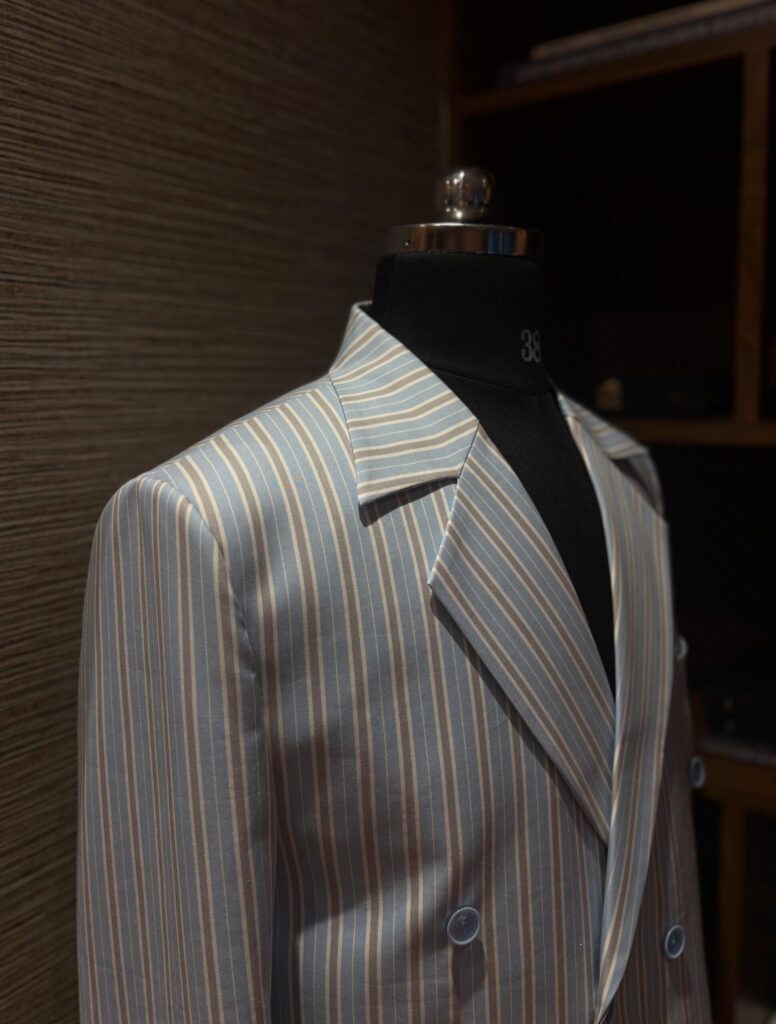
Travel today is constant, dynamic and often unpredictable. For the modern gentleman, maintaining a polished appearance while moving between cities, climates, and commitments is no longer optional it is expected. Yet, traditional tailoring often struggles under these conditions, losing its sharpness through creasing and fatigue. This is where wrinkle resistant suits redefine expectations. Designed to endure movement without compromising structure, these garments represent a shift toward performance-driven elegance where craftsmanship meets practicality. Why Wrinkle Resistance Matters in Tailoring A suit’s true test lies not in stillness, but in motion. Long flights, extended meetings, and packed schedules expose garments to continuous stress. Wrinkle resistant suits address these challenges by ensuring: For professionals and travellers alike, the ability to remain composed without constant maintenance is invaluable. What Makes a Suit Wrinkle Resistant? Wrinkle resistance is not a single feature it is the result of multiple factors working together. 1. Fabric Construction High-quality fibers with natural elasticity are essential. Wool, particularly high-twist wool, has an inherent ability to return to its original shape after being creased. 2. Yarn Twist and Weave Fabrics with tightly twisted yarns resist wrinkling more effectively. Open weaves such as tropical wool allow flexibility while maintaining resilience. 3. Fabric Weight Lightweight fabrics designed for movement are less prone to deep creasing, making them ideal for wrinkle resistant suits. The Role of Wool in Wrinkle Resistant Suits Among all suiting fabrics, wool stands out as the most reliable choice for wrinkle resistance. Its natural crimp allows it to flex and recover, making it ideal for travel. Why Wool Performs Best: High-quality wool fabrics ensure that wrinkle resistant suits remain structured even after extended use. Tropical Wool: The Traveller’s Advantage Tropical wool deserves particular attention for travel tailoring. Designed for warm climates, it combines breathability with durability. Benefits for Travel: For those frequently on the move, tropical wool-based wrinkle resistant suits offer the perfect balance of comfort and structure. Construction Matters: Beyond Fabric Even the finest fabric cannot compensate for poor construction. The way a suit is built significantly affects its ability to resist wrinkles. Key Construction Elements: 1. Canvas StructureHalf or full canvas construction allows the suit to move naturally with the body, reducing stress points. 2. Proper LiningBreathable linings prevent overheating and reduce fabric tension. 3. Precision TailoringBalanced cuts ensure even distribution of movement, minimizing creasing. At Shubham Shinde, travel-ready garments are designed with these principles in mind—ensuring that structure is preserved even under demanding conditions. Packing Wrinkle Resistant Suits for Travel Even the best wrinkle resistant suits benefit from proper handling. Practical Tips: These simple steps help maintain the integrity of the garment during transit. Wrinkle Resistant Suits vs Traditional Suits Feature Wrinkle Resistant Suits Traditional Suits Crease Resistance High Moderate Travel Suitability Excellent Limited Maintenance Low High Structure Retention Strong Variable This comparison highlights why wrinkle resistant suits are becoming essential for modern lifestyles. Styling for Travel: Maintaining Elegance on the Move A travel suit must do more than resist wrinkles—it must adapt to multiple settings. Key Styling Considerations: A well-chosen wrinkle resistant suit can transition seamlessly from airport lounges to formal meetings. The Shift Toward Functional Luxury Modern luxury is no longer defined by excess, but by performance. Garments are expected to deliver comfort, durability, and refinement simultaneously. Wrinkle resistant suits embody this philosophy, offering: They reflect a broader shift toward intentional dressing where every element serves a purpose. The Future of Travel Tailoring As travel becomes more integrated into professional life, the demand for performance-driven garments will continue to grow. Future innovations may include: Yet, the core principle will remain unchanged: tailoring must adapt without compromising elegance. Conclusion: Structure That Travels With You The essence of great tailoring lies in its ability to endure. Wrinkle resistant suits redefine what it means to remain polished, ensuring that structure is not lost in motion. For the modern gentleman, they represent more than convenience they represent control. A garment that holds its form allows the wearer to focus not on appearance, but on presence. In a world constantly in motion, true elegance is not static. It travels with you. At Shubham Shinde, travel-ready garments are developed with an emphasis on fabric intelligence and structural precision. Each suit is tailored to retain its form through movement ensuring that elegance is not compromised by transit. This approach becomes particularly relevant when considering garments designed for frequent movement, where fabric, construction and proportion must work in harmony to maintain a composed silhouette throughout the day. Those seeking such pieces can explore the brand’s range of tailored suits, where structure and performance are approached with equal importance. FAQ’s 1. What are wrinkle resistant suits? Wrinkle resistant suits are designed using specific fabrics and construction techniques that minimize creasing and maintain structure during wear and travel. 2. Which fabric is best for wrinkle resistant suits? Wool, especially high-twist and tropical wool, is the best fabric due to its natural elasticity and recovery properties. 3. Are wrinkle resistant suits suitable for travel? Yes, they are ideal for travel as they maintain a sharp appearance even after long hours of movement. 4. Do wrinkle resistant suits require ironing? Minimal ironing is required, as the fabric naturally regains shape when hung properly. 5. Can wrinkle resistant suits be worn in summer? Yes, lightweight options like tropical wool make them comfortable and breathable for warm climates. This blog is strong for ranking under travel + suits + performance menswear.
Colonial Influence on Indian Menswear: From Safari Suits To Tailored Elegance
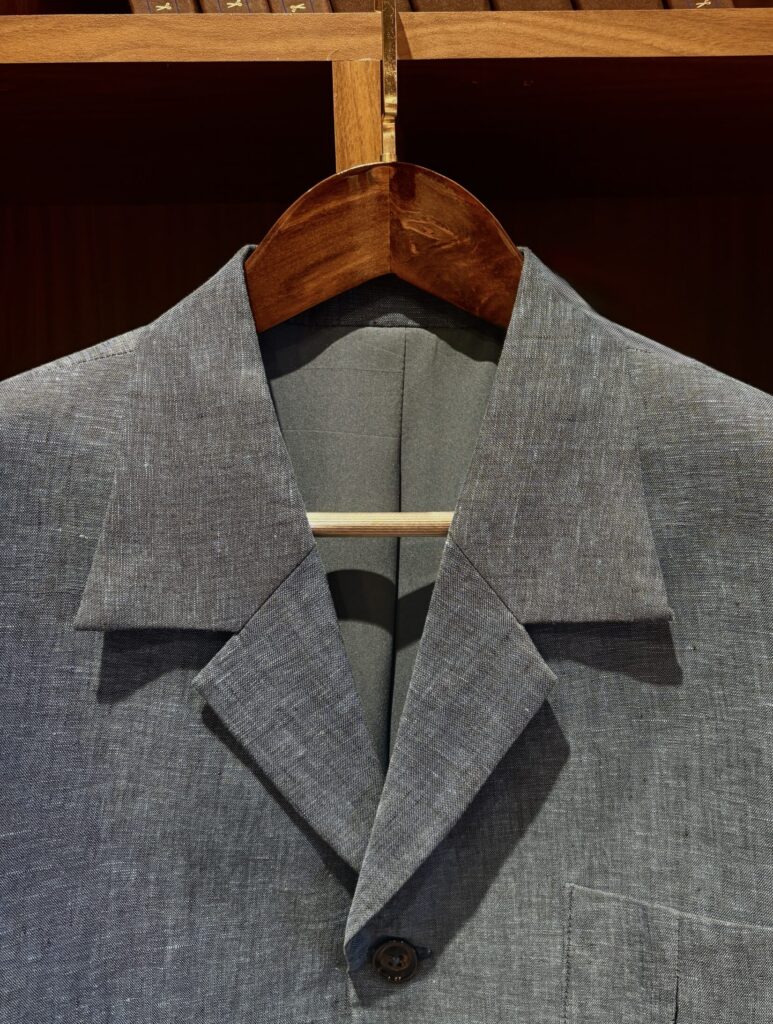
Indian menswear has undergone a remarkable transformation, one shaped not only by tradition but also by historical influence. Among the most defining shifts was the introduction of safari suits, a garment born out of colonial necessity that would go on to shape an entire era of dressing. What began as a practical solution for tropical climates gradually evolved into a symbol of authority and everyday formalwear. However, as tastes refined and expectations changed, Indian menswear moved beyond utility toward precision, structure and craftsmanship. This journey from safari suits to tailored elegance reflects a broader evolution in how men perceive style: not just as clothing but as identity. Colonial India And The Birth Of Safari Suits The origins of safari suits can be traced back to British colonial rule in India. Designed for officers, administrators and explorers, these garments were built to withstand harsh climates while maintaining a sense of authority. Crafted primarily from cotton or lightweight fabrics, safari suits featured: Their design drew heavily from military uniforms, blending functionality with a subtle assertion of control and hierarchy. Safari Suits In Indian Society As colonial influence expanded, safari suits were gradually adopted by Indian elites, government officials and professionals. What was once a colonial uniform transitioned into a mainstream garment. During the post-independence decades, particularly the 1970s and 1980s, safari suits became synonymous with: Their accessibility and practicality made them widely popular across India, embedding them deeply into the cultural fabric of menswear. The Limitations Of Safari Suits In Modern Menswear Despite their historical significance, safari suits began to lose relevance as fashion evolved. Their relaxed construction, once considered practical, came to be seen as lacking refinement. Key Limitations: As global exposure increased, the demand shifted toward garments that offered both comfort and visual precision—something safari suits struggled to deliver. The Rise Of Structured Tailoring In India With the globalization of fashion and increased awareness of international tailoring standards, Indian menswear began to embrace structure. This shift marked a clear departure from the relaxed nature of safari suits, introducing: The modern Indian man began to value garments that enhanced posture and presence, rather than merely serving functional needs. The Emergence Of The Bandhgala And Refined Formalwear As structured tailoring gained prominence, garments like the Bandhgala emerged as powerful alternatives to safari suits. Combining Indian heritage with disciplined tailoring, the Bandhgala offered: Unlike the relaxed nature of safari suits, the Bandhgala emphasized precision, making it a preferred choice for those seeking refined elegance. Fabric Evolution: From Utility To Luxury The transformation of Indian menswear was not limited to silhouettes—it extended deeply into fabric selection. Then: Now: Modern fabrics allow garments to maintain structure while adapting to climate, bridging the gap between comfort and sophistication. Contemporary Menswear: Precision Over Practicality Today, menswear is defined by intentional choices. The focus has shifted from purely functional garments like safari suits to pieces that reflect individuality and discipline. Key characteristics of modern menswear include: At Shubham Shinde, this philosophy is brought to life through garments that prioritize craftsmanship, proportion, and material integrity offering a clear evolution from the era of safari suits to contemporary structured elegance. For a deeper exploration of modern tailored garments, you can explore the collection here Safari Suits in Today’s Context While no longer dominant, safari suits have not disappeared entirely. They continue to exist in niche contexts: However, their role today is largely symbolic rather than aspirational. The modern wardrobe demands versatility and refinement qualities that structured tailoring delivers more effectively. Conclusion: From Function to Form The journey from safari suits to tailored elegance reflects a deeper evolution in Indian menswear. What began as functional attire designed for colonial practicality has given way to garments that emphasize structure, identity, and craftsmanship. Today, style is no longer defined by necessity alone—it is shaped by intention. The modern man chooses garments that not only suit the climate but also elevate presence. In this transformation lies the true essence of contemporary menswear: a balance between heritage and precision, where every garment tells a story of refinement. Section Title Colonial Influence on Indian Menswear: From Safari Suits To Tailored Elegance Bynshubh1998@gmail.com 29/03/2026 Uncategorized Indian menswear has undergone a remarkable transformation, one shaped not only by tradition but also… Read More The Bandhgala: India’s Definitive Expression Of Structured Elegance Bynshubh1998@gmail.com 16/03/2026 Uncategorized Introduction Few garments command quiet authority like the Bandhgala. Rooted in Indian royal… Read More Wools vs. Linen vs. Cotton: Best Summer Suit Fabrics For India Bynshubh1998@gmail.com 08/03/2026 Uncategorized The Challenge of Wearing Suits in Summer India’s climate demands thoughtful choices in menswear… Read More Tropical Wool: The Secret to Structured Summer Suits Bynshubh1998@gmail.com 25/02/2026 Blogs Tropical Wool: The Secret to Structured Summer Suits Tropical Wool: The Secret to Structured Summer… Read More Super 110s–150s Wool Fabric for Suit: Summer Ready Bynshubh1998@gmail.com 17/02/2026 Uncategorized Super 110s–150s Wool For Summer Suiting Explained Summer tailoring presents a paradox. The season… Read More The Ethos Of Craft Capitalism Bynshubh1998@gmail.com 05/02/2026 Uncategorized In an age where fashion is increasingly dictated by speed, scale, and immediacy, Shubham Shinde… Read More Merino Wool Trousers: Benefits, How To Care & Best Outfits Bynshubh1998@gmail.com 03/01/2026 Blogs,Uncategorized Merino Wool Trousers: Benefits, How To Care & Best Outfits Men’s formalwear has evolved far… Read More The Art of Choosing the Perfect Wedding Tuxedo: A Groom’s Guide To Timeless Elegance Bynshubh1998@gmail.com 12/12/2025 Uncategorized When you picture your wedding day, you envision every detail – the atmosphere, the vows, the… Read More The Blue Linen Shirt: A Timeless Essential For The Modern Sartorial Man Bynshubh1998@gmail.com 23/11/2025 Blogs In the world of refined menswear, certain garments transcend trends and become permanent fixtures in… Read More
